Spirea Shrub Details
Spiraea - Spiraea spp
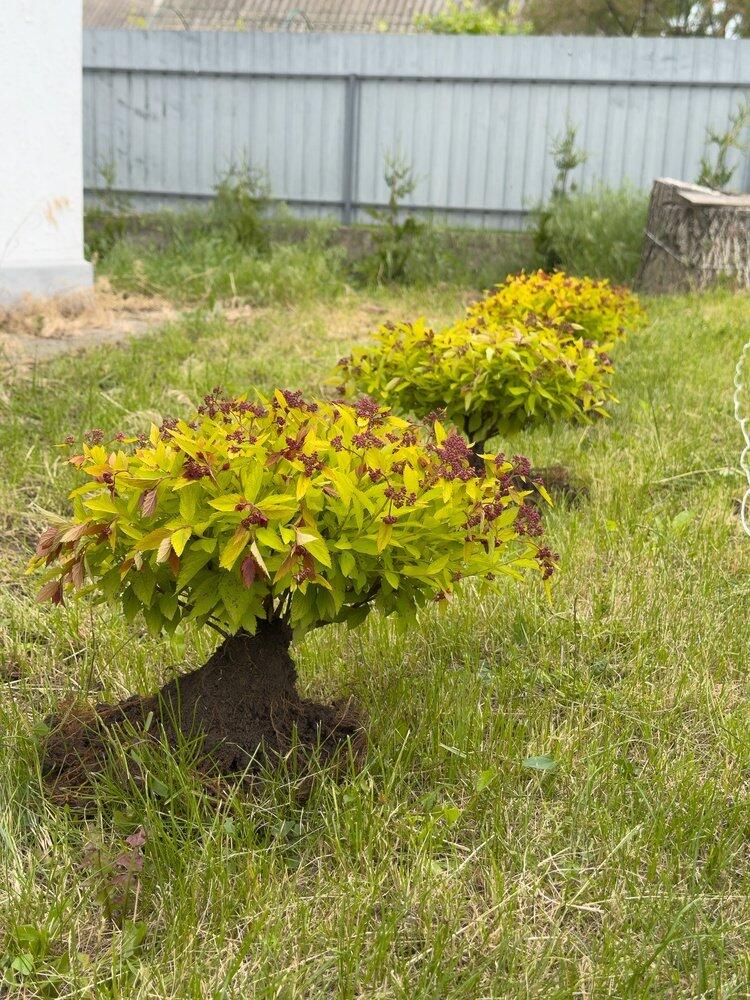
Spiraea‚ commonly known as spireas‚ is a genus within the family Rosaceae․ They are considered to be attractive shrubs‚ native to Asia and North America․ This is a tough shrub‚ often used as a specimen plant for its showy flower clusters and also for its foliage․ Some Spirea are ground-hugging; others will arch out and reach a height of five or six feet․ The leaves are usually narrow with serrated margins and a dark green color․ Flowers sometimes appear on pendulous branches during spring and summer․ As a result‚ whether it is the green of summer or the colorful riot of the spirea flowers‚ the spiraea is much more than just a plant‚ it is a vibrant piece of garden․
Spiraea is a frequent choice in planting schemes Due to It's Hardiness
Because of its adaptability and ease of cultivation it can be used in most soil types and aspects‚ from full sun to partial shade․ It is used in many situations where flowering shrubs are planted to provide specific effects or to fulfill specific uses․ It is an attractive plant for planting around walkways and flowerbeds‚ but it works well in the middle of the border as a highlight․ Depending on the type of spirea‚ such as Spiraea japonica and Spiraea bush‚ the plant can supply the texture and the colors that are much desired in the garden․ Spirea are used when contrasting with plants of other types‚ often planted with evergreen shrubs showing them off or composing an arrangement of spireas with spring bloom․
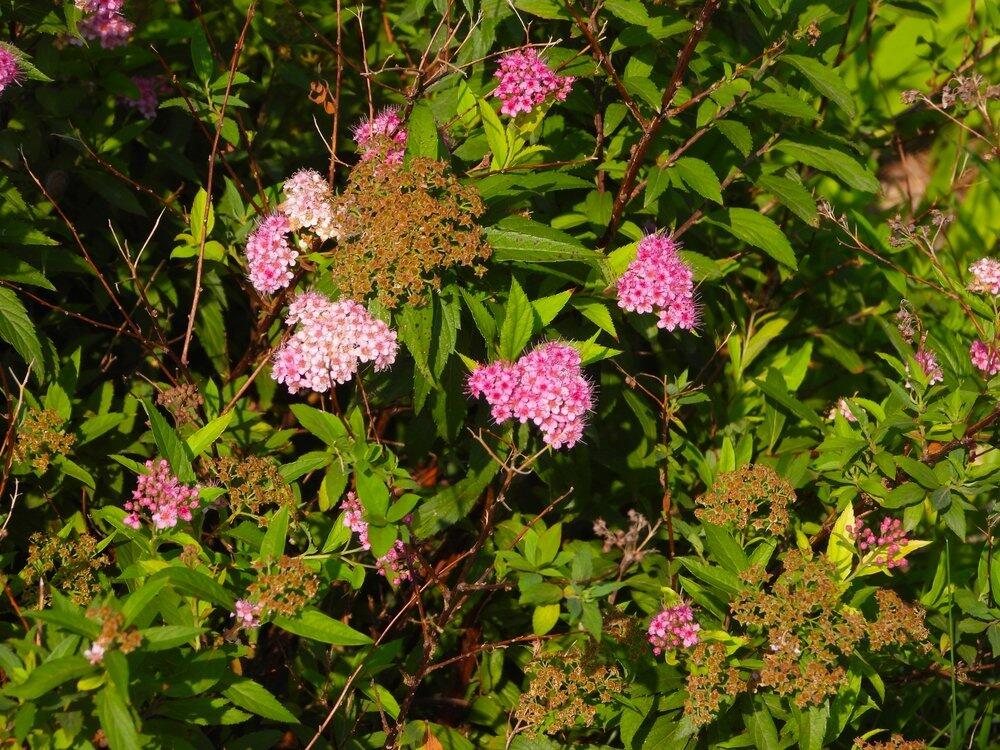
The most distinctive and high-value feature of spiraea is its flowers‚ which are small and delicate in pink and mostly arranged in clusters․ Depending on the species‚ the plants have several periods of blooming‚ usually starting in late spring and flowering into summer․ Their numerous flowers draw more species of bees and butterflies to areas with the plants‚ as well as adding motion to the landscape․ The flowers of many spirea cultivars remain in bloom for several weeks‚ and the time when a spirea is in full bloom is a cause for celebration among gardeners․ This makes it an important contributor to the numbers in the pollinator population and not only an aesthetically pleasing plant‚ but also an important part of a healthy garden․
Spirea offers fragrance and color
Another reason for the popularity of spirea is that each season has something to offer․ Spring bloom is soon upon us‚ and spirea brings a rich note of color and fragrance when winter is well and truly over․ Summer is best for the profusion of bright green foliage and flowering․ Fall is best for the vivid colors of the yellow to orange leaves․ In the winter‚ even when the spirea appears dead‚ and the branches are drab and naked of bloom‚ the beauty of the branches and the form give ornament to the winter landscape‚ giving an ever-changing garden that has visual interest in every season‚ and at all points in time․
However‚ regardless of its aesthetic improvements‚ the old cultures and traditions surrounding spiraea should not be overlooked․ The spiraea species have within its cultures and social practices been known to have medicinal usage due to its proposed curative properties․ Several of the spiraea species have been used for various medicinal purposes․ Spiraea is associated with love and romance‚ and has been used in wedding bouquets and in decorations for other similar occasions․ In certain countries and regions‚ the plant can also be found used symbolically in cultural festivities․ It may‚ for example‚ be used to decorate streets‚ buildings‚ and other areas to create a celebratory impression․ This cultural aspect adds another level of interest to spirea‚ showing that‚ like humans‚ plants can also have cultural importance․
Many spirea flowers bloom profusely and are the most prominent ornamental feature of the plant
The spirea bloom cycle is the anticipation of every gardener each year․ After flowering‚ spent blooms may be dead-headed‚ which contributes to heavier‚ or perhaps lighter‚ flowering․ With each nod towards the new life of the season‚ green leaves sprout from the plant‚ new green leaves filling the garden with their life-revealing freshness‚ while with the heat of summer they grow still thicker‚ standing out against the bright color of the flowers․ Just as the spirea grows and renews itself with every season‚ the gardener is refreshed and re-energized by the beautiful and persistent forces found within nature․
In summary‚ the spirea plant represents a range of positive qualities‚ including resilience‚ adaptability‚ and the importance of the life cycle
Its beauty‚ seasonal changes‚ and cultural importance make it a popular choice for gardens and a symbol of endurance and prosperity․ Spirea can be counted on to make a fine showing from early spring till late fall‚ and to hold the heart and soul of all who enter its domain․ Whether upon the lawn or in the wilds‚ or gracing the home grounds‚ it will form one of nature's harmonious links in the chain that draws heaven-ward the human heart․