Bamboo Plant Details
Bamboo Plants -Fast-Growing, Hardy, and Landscape-Ready
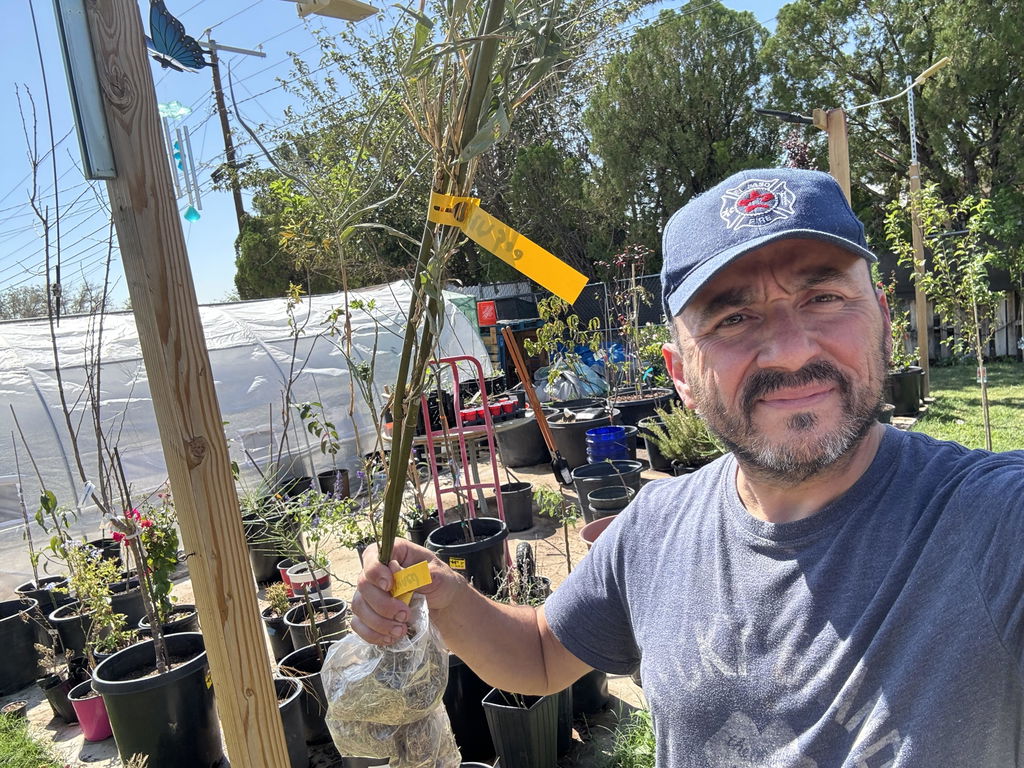
Bamboo plants - River Cane (Arundinaria gigantea) are valued for their rapid growth, elegant appearance, and versatility in various types of landscapes. At TN Nursery, we offer top-quality bamboo that grows well in various climates and soil types. Since 1959, we have been a trusted supplier to sites such as the Washington Monument and Arlington National Cemetery. Our plants are supported by real horticultural experience, expertise, authority, and trust.
🔑 Growth of The Plant
| Growth Source | Running Bamboo |
|---|---|
| New plants come from... | ✅ Underground roots (rhizomes) |
| New plants come from the main plant... | ❌ No |
PLEASE NOTE*** Our bamboo is running bamboo. The plants come up from the running roots, not the main plant
🌱 How Running Bamboo Creates New Plants
- Running bamboo spreads through underground roots, known as rhizomes
- New shoots and plants emerge directly from these spreading roots — not from the main parent plant itself
- This means your bamboo will continuously send out new growth from beneath the soil surface
- The rhizomes can travel horizontally underground, sprouting up new plants as they spread
Why Bamboo Plants Are a Top Pick for Modern Landscapes
It is an excellent choice for homeowners and landscape designers who want quick results. Its fast vertical growth makes it ideal for natural privacy screens, windbreaks, and noise barriers. The upright shape lends gardens a clean, modern look that complements minimalist and Asian-inspired designs well. The plant is also resilient, adapting to various soil types, resisting pests, and thriving even in challenging conditions.
TN Nursery’s High-Quality Bamboo Plants
TN Nursery sends freshly dug, healthy plants straight from our Tennessee farm, so you get strong, well-rooted plants ready to grow. We choose bamboo for its cold hardiness, disease resistance, and lasting growth. Since we grow everything on our family farm, you get direct pricing, quick shipping, and reliable support based on over 65 years of experience.
Top Benefits of Bamboo Plants
- Extremely Fast Growth: The plant shoots up rapidly, giving you height and structure quickly.
- Natural Privacy Screen: Dense foliage creates a living wall ideal for backyard borders.
- Adaptable & Low Maintenance: Thrives in bosun or partial shade and in a variety of soils.
- Eco-Friendly: Absorbs carbon quickly, supports soil health, and grows sustainably.
- Elegant Appearance: Its vertical canes add style and movement to any outdoor space.
Ideal Growing Conditions for Bamboo
It grows best in full sun or partial shade and likes well-drained, fertile soil. It can tolerate different moisture levels, but regular watering during the first season helps it establish itself more quickly. Adding mulch keeps the soil moist and protects the roots. Once established, it is very tough and requires little care to continue growing year after year.
How to Plant Bamboo for Best Results
- Select a sunny or lightly shaded location with room for the plant to spread.
- Dig a wide planting hole to loosen the soil and improve root expansion.
- Set the bamboo at the same depth it grew in the nursery.
- Water well after planting and apply a 2–3" layer of mulch.
- Monitor moisture during the first growing season until bamboo is fully established.
Bamboo Plants and Ecological Benefits
Bamboo is one of the most eco-friendly plants you can grow. It helps keep soil in place, reduces erosion, and takes in more carbon dioxide than most other woody plants. Its leaves provide shelter to birds and beneficial insects, and its dense growth supports healthy soil. TN Nursery offers a variety of plants that aid in ecological restoration and support a healthy environment for the long term.
Why Buy Bamboo Plants from TN Nursery?
For over sixty years, TN Nursery has provided homeowners, landscapers, and restoration projects with high-quality plants and reliable expertise. We cultivate our plants using proven methods, ensuring you receive strong roots and healthy growth. When you choose TN Nursery, you can trust that you are working with a grower who values quality, service, and real horticultural authority.
Most Asked Questions about Bamboo Plants
Do bamboo plants grow fast?
Yes it's is one of the fastest-growing plants in the world and quickly reaches its full height.
Is bamboo good for privacy?
Yes, the thick leaves create a natural screen that is great for blocking views and reducing noise.
Does bamboo spread?
Clumping varieties grow slowly and stay in one area, but running bamboos spread much faster.
What type of soil is best for bamboo?
It prefers fertile, well-drained soil but adapts to most conditions once established.