Carol Gowing
the roots looked healthy upon arrival and I will see in the spring about their growth. Looking forward to all the many plants that I have purchased showing their little heads

Black Eyed Susan Plant
Ships Now
3-9
Over 12"
Low
Full sun
Summer
Black-eyed Susans thrive in well-drained soil and need regular watering, especially during dry spells. Remove spent blooms to encourage more flowers. These hardy plants are relatively pest-free.
Black-eyed Susans thrive in full sun, requiring at least 6 hours of direct sunlight daily. They can tolerate partial shade, but blooming may be reduced. Full sun ensures the best flowering and overall health of these hardy perennials.
Attracts butterflies & bees , Hardy & sun loving, Very long lasting blooms
Carol Gowing
the roots looked healthy upon arrival and I will see in the spring about their growth. Looking forward to all the many plants that I have purchased showing their little heads
Jamie B
Purchasing online was simple, and cannot beat buy one get one deal with free shipping. Order delivered quickly. Dormant plants received and looking forward to blooming flowers next season.
Sandie
Hoping that they take root. Hot summer.
About this plant
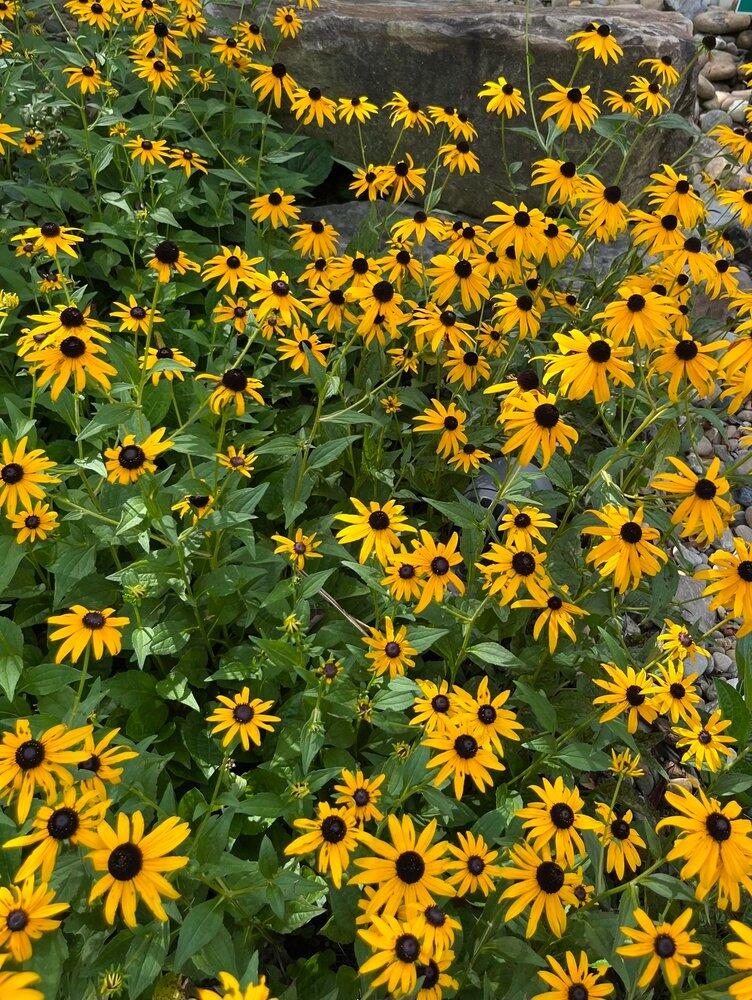
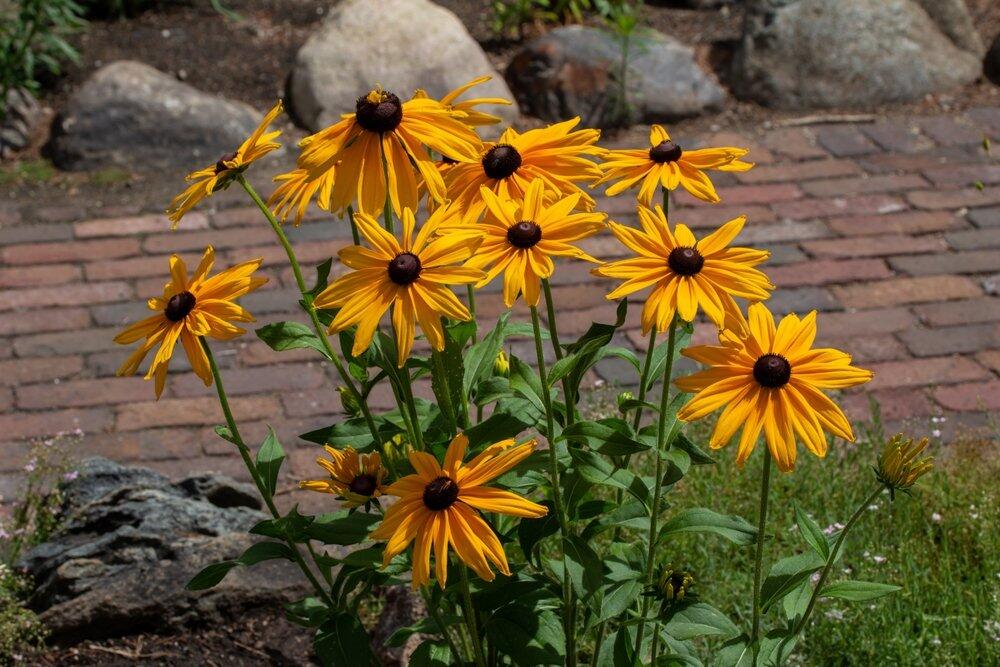
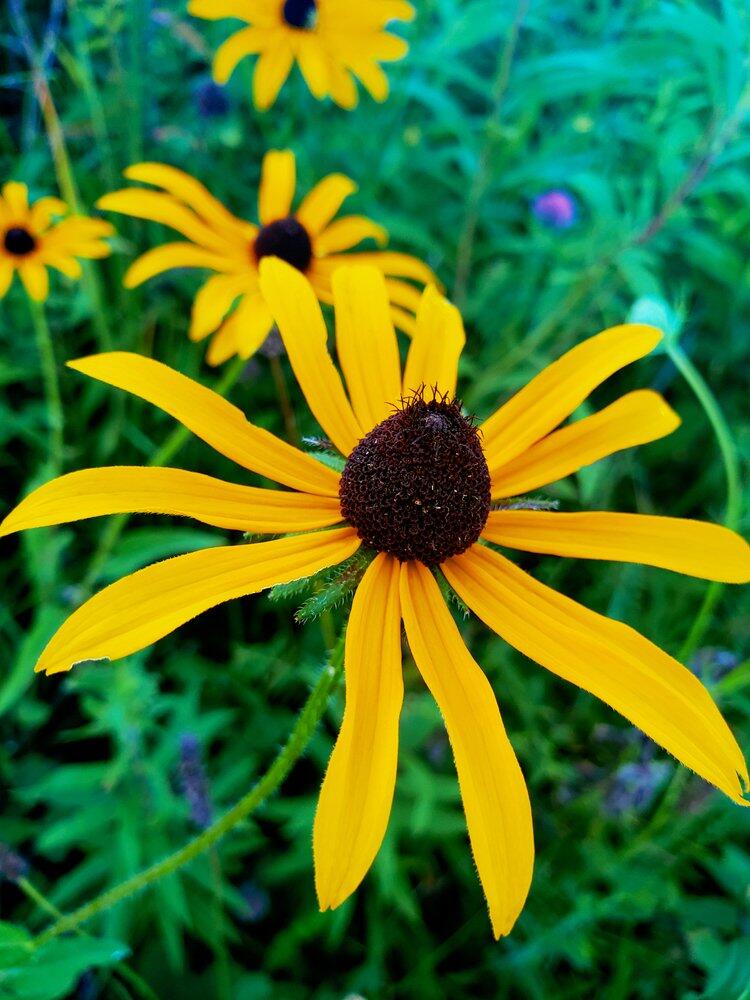
The Black-eyed Susan Rudbeckia hirta is a native perennial wildflower of the sunflower family․ It is often grown in gardens‚ and is a common wildflower․ It features bright golden-yellow ray florets surrounding a dark brown or black central cone․ It is one of the most recognizable images of the American summer․ As an Asteraceae species‚ it can thrive in many places‚ including prairies and along roadsides․ This provides the area with a nice touch of sunshine as these little sunflowers bloom․ The plant is indeed cheering‚ and the flower is a little sunbeam․ The flower is of such hardy constitution that on meadow or in garden beds it may often be found covering the ground‚ and is a general favorite with all lovers of garden beauty․
One of the most interesting and extraordinary properties of the Black-eyed Susan is its ability to attract helpful insects․ Bees‚ butterflies‚ and other helpful insects are often attracted to the yellow flowers, making them an important flower for pollination․ These insects pollinate the flower and help other plants in the area‚ creating a local oasis for animals and insects․ Its anatomy is also well adapted for easy access to its nectar and pollen․ The local area becomes lively during the day when the flower is in bloom‚ with many insects visiting the flower․ Planting them in your garden is not only a way to beautify your space‚ but a chance to contribute to the health of our planet‚ nourishing the unsung heroes of our ecosystem․
The foliage of the Black-eyed Susan is also very attractive․ It has broad leaves that are coarse to the touch and provides a deep green backdrop to the display․ The leaves are in a rosette‚ six to twelve inches long․ The plants have a grassy appearance and are quite lush․ The slightly hairy leaves are serrated and tactile․ Together‚ they add visual interest throughout the season and also provide a feeling of fullness and greenery to gardens when the large‚ distinctive flower heads are not in bloom‚ or even when the flower heads are past their prime․
In terms of blooming season‚ Black-eyed Susans bloom beginning in early summer and continue to bloom into fall‚ with bright colored petals․ Long-lasting flowers in a garden setting provide interest and color‚ through the summer heat and into the cool autumn nights․ With the shorter days and bright‚ colorful flowers the plants can provide a warm reminder that summer is not over yet․ It is also clear that even after the flowers are faded‚ the brown seed heads still provide food for birds and add texture to winter scenes‚ allowing the perennial to remain a feature of the garden‚ and continue the cycle of life․
Landscapers can include Black-eyed Susans in any style of design: a cottage garden‚ wildflower meadow‚ or more customary landscaping․ Their cheery clusters can work well as anchors or color trims for paths or doors where all their orderly sunny faces can be seen․ When used with other perennial plants‚ they create a mosaic of colors‚ heights and textures that tempts the passerby to stop to admire the view․ Their adaptability to many soil types and low water requirements make penstemons a popular choice with gardeners looking for low maintenance color‚ while making it easy to achieve a balance between aesthetic and local ecology in the garden․
To conclude‚ the Black-eyed Susan is a perennial flower that offers a combination of natural beauty‚ ecological values‚ and landscape uses that draws both pollinators and people closer to nature with its attractive blooms and seasonal adaptability‚ bringing a unique charm and aesthetic to gardens‚ parks‚ and natural habitats alike․ They make a big impact whether planting a few plants in a landscape for an instant display of color or planting large numbers․ They make the world a little warmer long after their blooms are gone․ Planting just a few Black-eyed Susans makes a statement of beautification and stewardship․ In a world so often separated from the natural world's connections‚ the lovely‚ sunny plant is a reminder of our fragile connection with earth‚ and ability to cultivate joy in any space․

Since 1959, TN Nursery has grown and shipped quality bare root plants nationwide. Shipped during dormancy, bare-root plants develop strong root systems and establish quickly. Our experienced team carefully harvests and packages every order, providing growers with trusted plants backed by over 65 years of nursery experience.
Learn More About
Bare root trees
Aesthetic Appeal:
The bright, daisy-like flowers with dark centers are perfect for bouquets, adding beauty to floral arrangements. Their vibrant appearance makes them a sought-after choice for enhancing any bouquet or arrangement.
Health Benefits:
Contains compounds like flavonoids and saponins with potential anti-inflammatory and immune-boosting properties. Ongoing studies explore its beneficial effects on health and wellness.
Natural Pest Repellent:
The strong scent and nectar-rich flowers attract beneficial insects that help control garden pests. Promotes a healthier garden environment by naturally managing pest populations.
Visual Impact:
Forms large clumps that create a striking visual impact, showcasing its vitality and robust nature. These clusters add a bold, attractive presence to garden beds and borders.
Fall Digging
Spring Digging
Packing Orders
Customer Unboxing Video
Product Highlight
Really pleased with my Black Eyed Susan plants from TN Nursery. they came up this past Spring and are doing very well.
I’m very happy with my Black Eyed Susan Plant from TN Nursery! It arrived healthy, well-packaged, and ready to plant. It looks vibrant and full of life, and I’m excited to see its cheerful blooms brighten up my garden. Great quality and service from TN Nursery!
You really can't go wrong with Black Eyed Susans. Mine established quickly and have given me lots of bright yellow flowers. Bees and butterflies are constantly visiting them and they look great planted in a group.
These plants are so vibrant and cheerful! My order came in early May, as advised, and I soaked the roots and planted quickly. They are healthy and sprouting and I am anxiously awaiting their flowering stage!
The plants arrived fast, well-packed, and already had signs of strong growth. They’re now the highlight of my backyard garden.
These Black Eyed Susans are simply gorgeous. They bloomed quickly and brought so much life to my garden. Highly recommend!
Couldn’t be happier with these flowers. They’re low maintenance, colorful, and make my yard look amazing. Definitely ordering more.
I planted them along my walkway, and they’re already adding charm. Would have given 5 stars if all had bloomed right away.
Plants arrived well-packed and in good condition. They adjusted quickly, and the blooms are just starting to open.
I love the cheerful yellow petals. They add so much color to my garden. One plant struggled, but the rest look great.
The shipping was quick, but I had to nurse the plants a bit before they perked up. They’re doing alright now, just not thriving yet.
I absolutely love my Black Eyed Susans from TN Nursery. They arrived fresh, carefully packaged, and quickly adapted to my garden. Their sunny yellow petals with bold black centers bring constant color all season long. These perennials are not only beautiful but also easy to grow and maintain.
The Black Eyed Susans from TN Nursery are stunning. They bloomed profusely, creating a sea of golden-yellow blossoms in my flower bed. These perennials are hardy, drought-tolerant, and attract butterflies daily. TN Nursery provided excellent service and healthy plants that exceeded my expectations.
I was amazed at the quality of my Black Eyed Susans from TN Nursery. The plants were shipped with care, showing strong roots and fresh green leaves. After planting, they thrived beautifully, filling my yard with bright, cheerful flowers. They’re low-maintenance, resilient, and loved by pollinators.
I couldn’t be happier with my Black Eyed Susan purchase from TN Nursery. The plants came in perfect shape and established themselves quickly. Their bold golden blooms are eye-catching and bring a natural, meadow-like feel to my garden. These perennials are resilient, beautiful, and highly dependable.
The Black Eyed Susans I ordered from TN Nursery arrived in excellent condition. They were easy to plant and took off quickly in my garden soil. Their radiant yellow flowers brighten my landscape every summer, and they require very little maintenance. TN Nursery consistently delivers high-quality native plants.
TN Nursery delivered outstanding Black Eyed Susans that quickly became the highlight of my flower bed. Their sunny blooms attract bees, butterflies, and even hummingbirds. I was impressed with how well they were packaged and how healthy they looked upon arrival. These hardy perennials bring my garden to life.
The Black Eyed Susans I purchased from TN Nursery exceeded my expectations. These perennials were fresh, healthy, and ready to thrive right away. Their bold yellow blossoms with dark centers add cheerful color that lasts all season. TN Nursery truly provides top-quality native wildflowers for any landscape.
I ordered Black Eyed Susans from TN Nursery, and I was so impressed with their quality. The plants arrived strong, well-rooted, and packaged securely. After planting, they established quickly and began blooming with brilliant golden-yellow petals. They’ve become a magnet for butterflies in my garden. Highly recommend TN Nursery!
Three weeks after planting similar rootings from Dutch Farms Im still waiting for theirs to break ground. Their cheaper price ends up a waste of money and time!
In comparison the first five (actually made 6 pots) from Tennesee Farms looked more like a plant nicely packed..Carefully wrapped in paper towel to keep them moist, Im ordering another 5 to fill the space of Dutch Farms that arent coming up.
Id also like to add that growing them from seed Im just now seeing success after trying that for 3 years. I HIGHLY RECOMMEND TENNESSE FARMS!
Healthy plants, fast delivery, prepared well-Just like the time before and before that.
the roots looked healthy upon arrival and I will see in the spring about their growth. Looking forward to all the many plants that I have purchased showing their little heads
Bare root plants arrived in good condition
Purchasing online was simple, and cannot beat buy one get one deal with free shipping. Order delivered quickly. Dormant plants received and looking forward to blooming flowers next season.
Hoping that they take root. Hot summer.
I was unable to plant the Black Eyed Susan because my husband thought the package was trash so he threw it away!
I received my plants in excellent condition. Was very impressed with the paper work of directions. They are planted in the ground and will wait for the results. Very pleased
The produce we ordered was well-packaged and so easy to plant! I am excited to see how our garden has changed because of TN Nursery!
Great
I received my plants and they look great!
They are in the ground now. They look healthy. I think they are going to be beutiful in a few weeks. Thankyou, I may have to order some more for another spot.