American Arborvitae For Sale
The American Arborvitae (Thuja occidentalis) is a widely popular, native evergreen that is sure to please with its deep green foliage and beautiful, distinctive red bark. The thuja plant has deep green, flat needles, small brown cones, and a distinctive red-tinted bark that peels away from the trunk in strips. It grows in an upright and pyramidal habit. This is an excellent choice for creating a winter garden, using as an ornamental focal point or accent in your yard or garden, or for creating a living privacy screen or hedge.
Thuja Plant Details
Family: Cupressaceae
Light Requirement: Full Sun
Water Needs: Moist
Height: 20 – 40 ft.
Spread: 10 – 15 ft.
Growth Rate: Fast
Wildlife Value: Attracts birds, butterflies

Landscape Uses | How to Grow & Maintain Arborvitae
The American Arborvitae has deep green, flat needles, small brown cones, and a distinctive red-tinted bark that peels away from the trunk in strips. It grows in an upright and pyramidal habit. This is an excellent choice for creating a winter garden, having in your yard or garden as an ornamental focal point or accent, or creating a living privacy screen or hedge.
This low-maintenance tree will bring great beauty and elegance to your landscape. Plant it in a location with full sun to partial shade. It will grow best in full sun, as its growth will be severely limited in the shade.
Plant American Arborvitae in a location with alkaline to neutral soil. It prefers moist and well-draining soil and can tolerate different soils, including heavy clay soils, sand, and loam. Keep this tree watered consistently until it becomes well established. Avoid planting it in a location with dry soil, as it needs high levels of moisture.
Noteworthy Characteristics
American Arborvitae can tolerate being planted near Black Walnut.
This tree is a host plant to many butterflies, including the Promethea Silk Moth.

Customer Reviews
My American Arborvitae Tree exceeded expectations. TN Nursery provided a healthy, thriving evergreen that is already enhancing the look and privacy of my yard.
The American Arborvitae Tree I bought is growing strong with lush, green foliage. TN Nursery delivered exactly what I needed for a long-lasting evergreen screen.
The American Arborvitae Tree from TN Nursery was a reliable purchase. It shipped quickly, arrived in excellent condition, and is already growing beautifully.
I couldn’t be happier with my American Arborvitae Tree from TN Nursery. Its evergreen foliage is perfect for landscaping, and the quality exceeded my expectations.
The American Arborvitae Tree I purchased is strong and vibrant. It is flourishing in my yard and provides a beautiful, dense green backdrop year-round.
How big do American Arborvitae get?
American Arborvitae typically grow 30 to 40 feet tall with a narrow, pyramidal shape. Their dense, evergreen foliage makes them perfect for privacy screens or windbreaks. They stay lush year-round and add elegance to any landscape.
How far apart do you plant American arborvitae?
Plant American Arborvitae about 3 to 4 feet apart for a dense hedge or privacy screen. If you prefer individual trees, space them 10 to 12 feet apart. Proper spacing allows healthy growth and maintains their beautiful, full shape.
What is the best time of year to plant American Arborvitae?
The best time to plant arborvitae is in early spring or early fall. These seasons give the roots time to establish before extreme temperatures arrive. With good watering and sunlight, they settle in quickly and grow strong year after year.
Exposure
American Arborvitae thrives in full sun to partial shade. It prefers at least 6 hours of direct sunlight daily but can tolerate some shade. Consistent light exposure ensures dense foliage and healthy growth, making it ideal for hedges and privacy screens.
Height at Maturity
Over 25 Feet
Usage
Evergreen
Shipped As
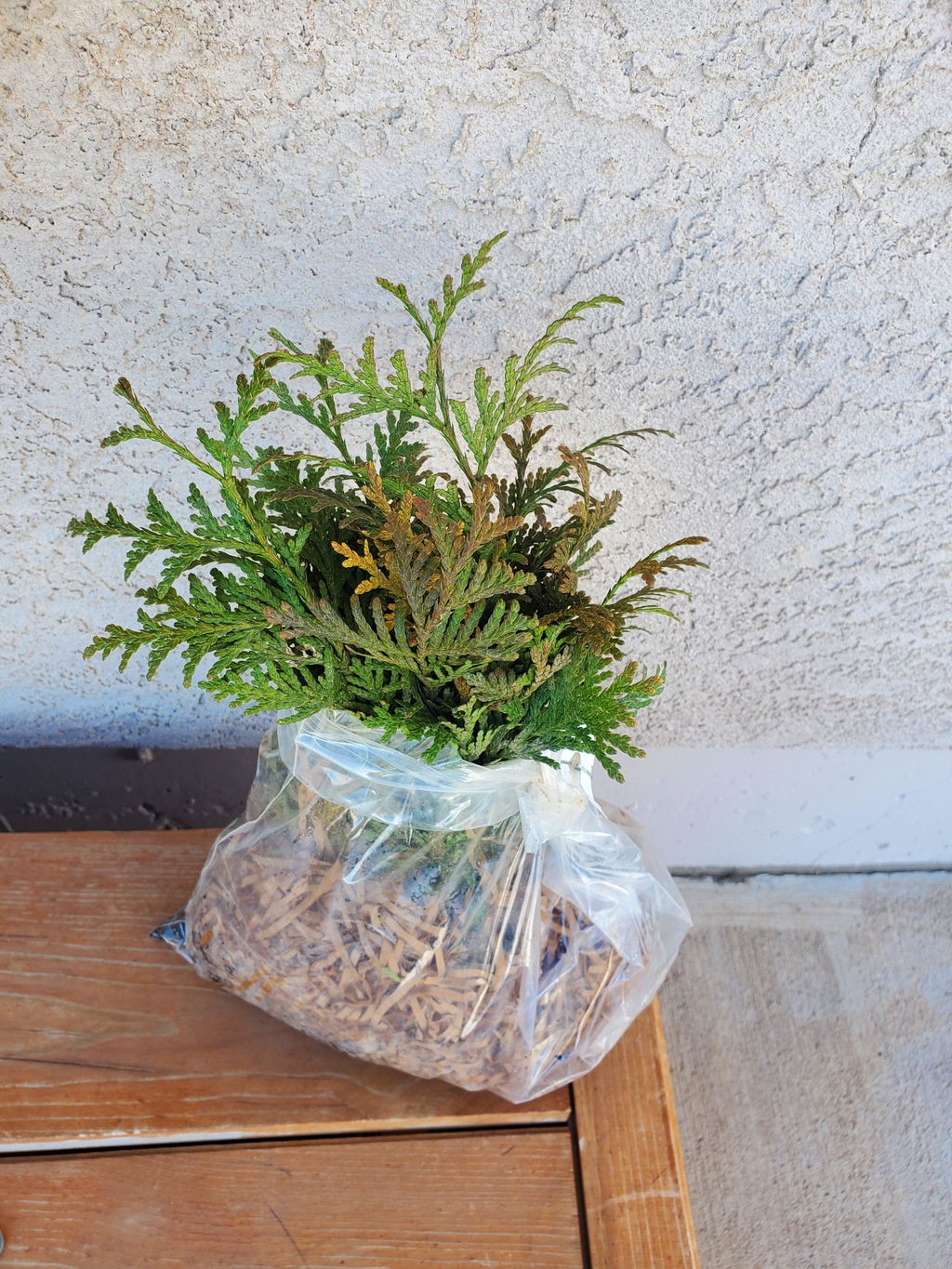
Bare-root
Ships
UPS
Planting Zones
3-8
How To Grow
How to Grow and Care for Evergreen Trees
Evergreen trees are prized for their year-round foliage, offering privacy, windbreaks, and structure to the landscape no matter the season. Popular varieties like pine, spruce, cedar, and arborvitae thrive in full sun and well-drained soil. Choose a planting site with enough space for mature height and spread, and plant in early spring or fall when temperatures are mild.
Dig a hole twice as wide as the root ball and deep enough to keep the root flare slightly above ground level. Backfill with native soil, water deeply, and apply a 2–3 inch layer of mulch around the base—keeping it several inches away from the trunk. Water regularly during the first year to establish a deep, healthy root system.
Once established, most evergreen trees are low-maintenance and drought-tolerant. Prune sparingly to maintain shape or remove dead branches, and fertilize in early spring if needed. With the right care, evergreen trees provide lasting beauty, shade, and shelter throughout the year.