Milkweed Plant – The Essential Host Plant for Monarch Butterflies
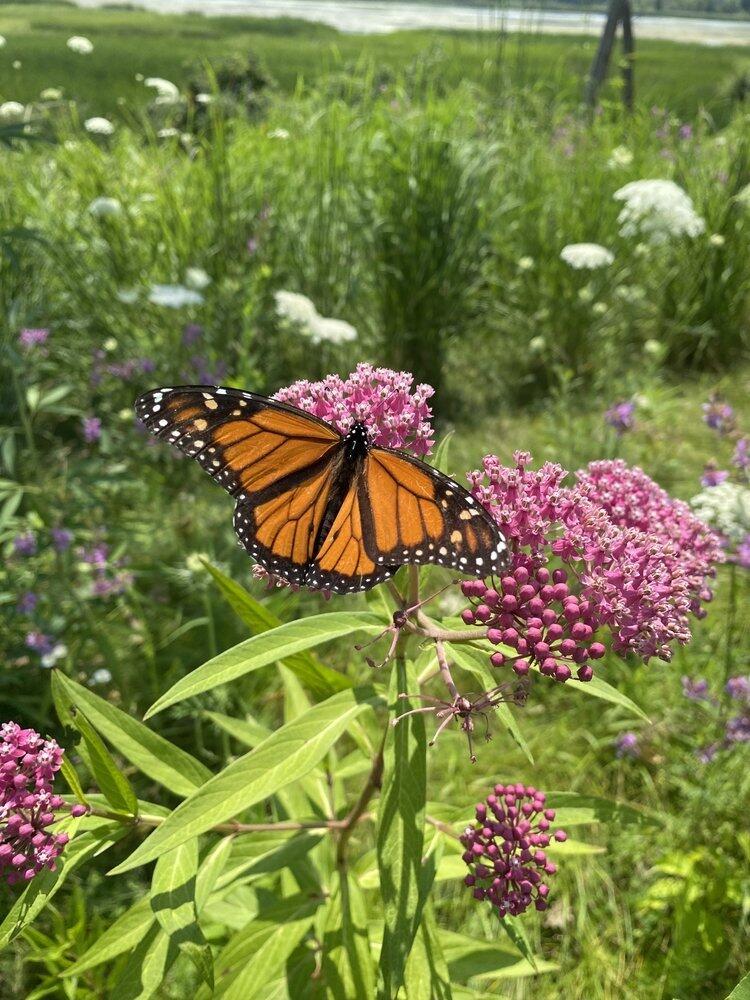
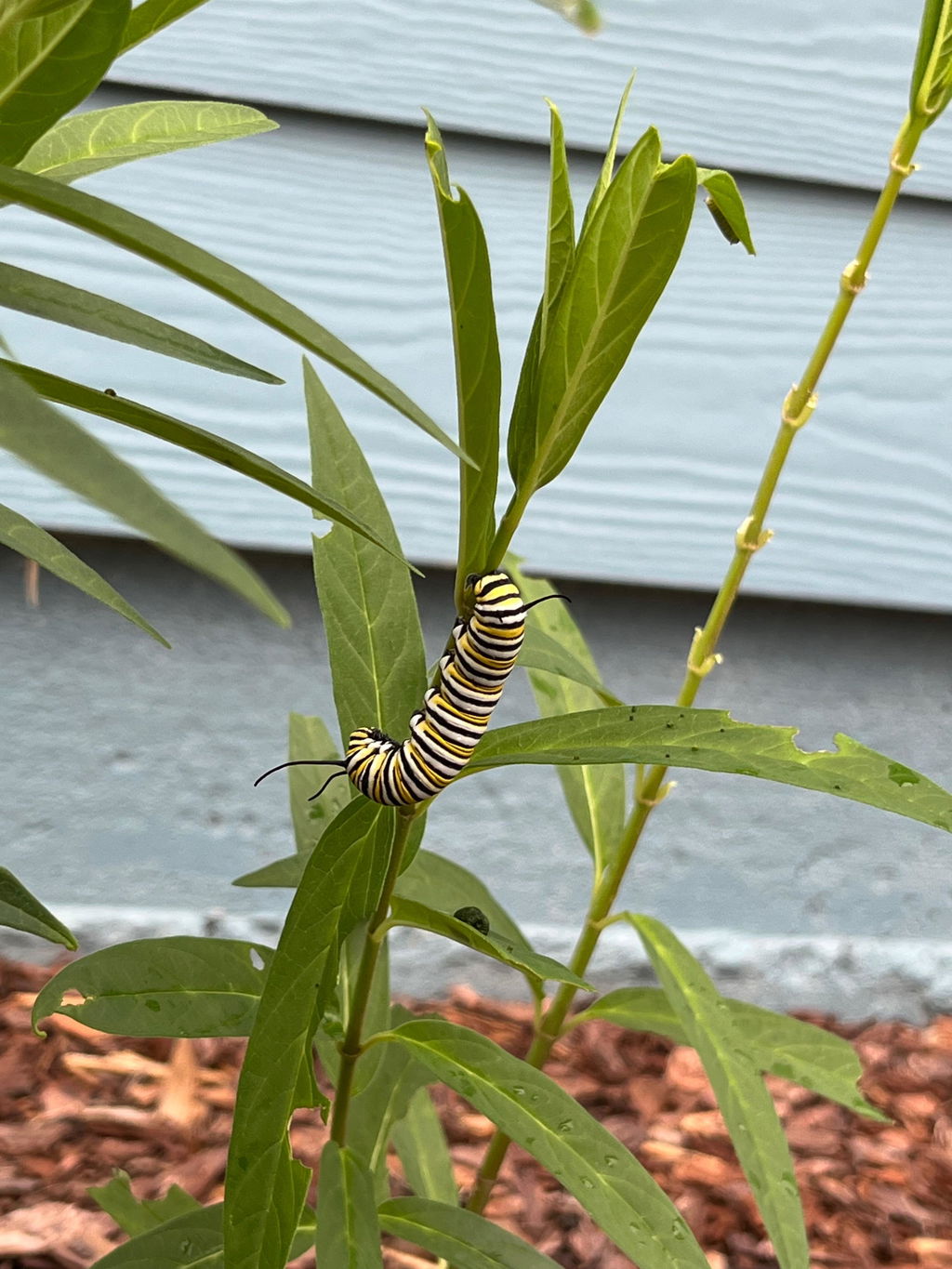
The milkweed plant is one of the most important native plants you can grow in your garden. This is the only host plant for monarch butterflies; milkweed provides the food monarch caterpillars need to survive. If you want to attract butterflies and support pollinators, adding milkweed to your landscape is a simple and powerful step.
Why Plant Milkweed?
Milkweed plants produce clusters of fragrant flowers that bloom in summer. These blooms attract butterflies, bees, and other pollinators. Monarch butterflies lay their eggs only on this plant’s leaves. Once the eggs hatch, caterpillars feed on the plant. Without milkweed, monarch populations cannot thrive. Planting native milkweed helps restore natural habitats and supports local ecosystems.

How to Grow a Healthy Milkweed Plant
This plant is easy to grow and low-maintenance once established. They love being planted in full sun and well-drained soil, but can adapt to many garden settings. Once established, they never need water. After that, most milkweed varieties become drought-tolerant. Avoid using pesticides near your milkweed plant, as chemicals can harm monarch caterpillars and beneficial insects.
Best Uses in Your Garden
Plant milkweed in pollinator gardens, meadow plantings, borders, or naturalized areas. It pairs well with native perennials and flowering plants. Besides helping monarch butterflies, milkweed adds height, texture, and long-lasting color to your yard.
Add this plant to your garden today and create a safe haven for monarch butterflies while boosting biodiversity in your landscape.
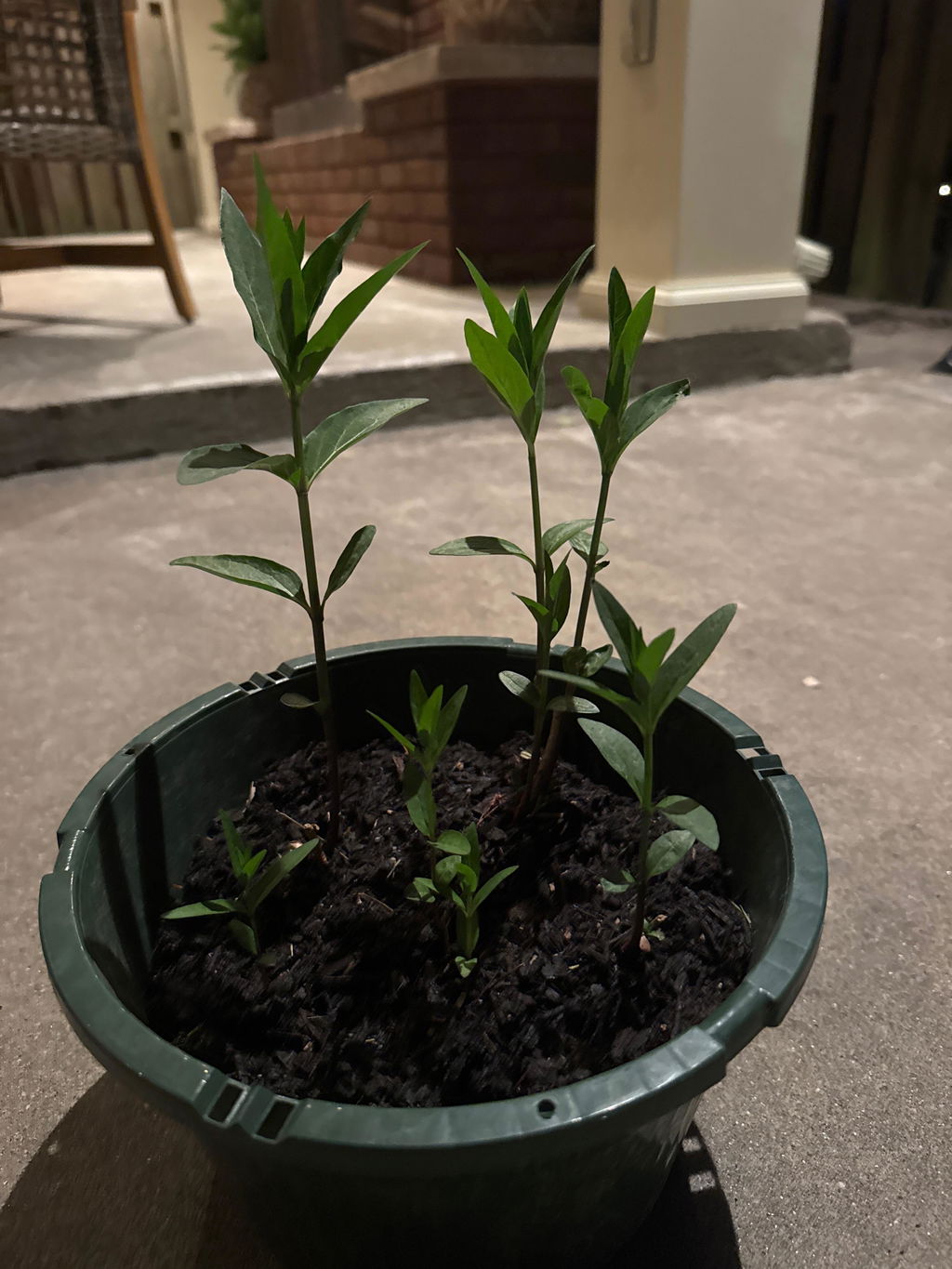
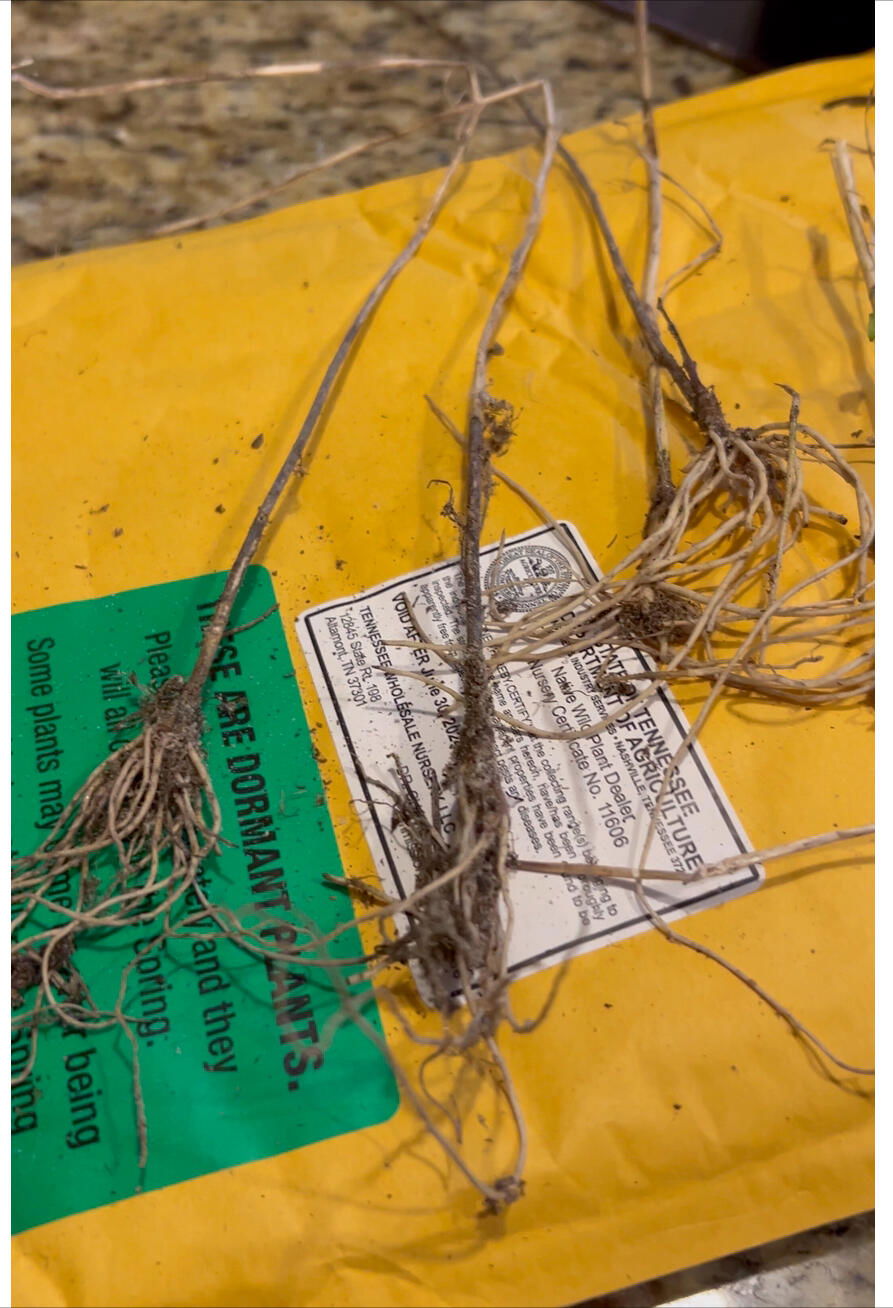
This is a milkweed plant we ship

Customer Reviews
I’m in California and was in need of milkweed for my caterpillars. I didn’t know it would be so hard to find. I ran across TN nursery during my online search. Milkweed was but 1 get 1 free. It took 10 days to receive the milkweed. They were still moist and in good condition. I look forward to them blooming for my next batch of caterpillars. It came with instructions on how long to soak in water prior to planting and how to plant. I recommend TN nursery.
The plant looked healthy on arrival, though it was smaller than I thought. It’s putting out new leaves now, so I’ll wait and see.
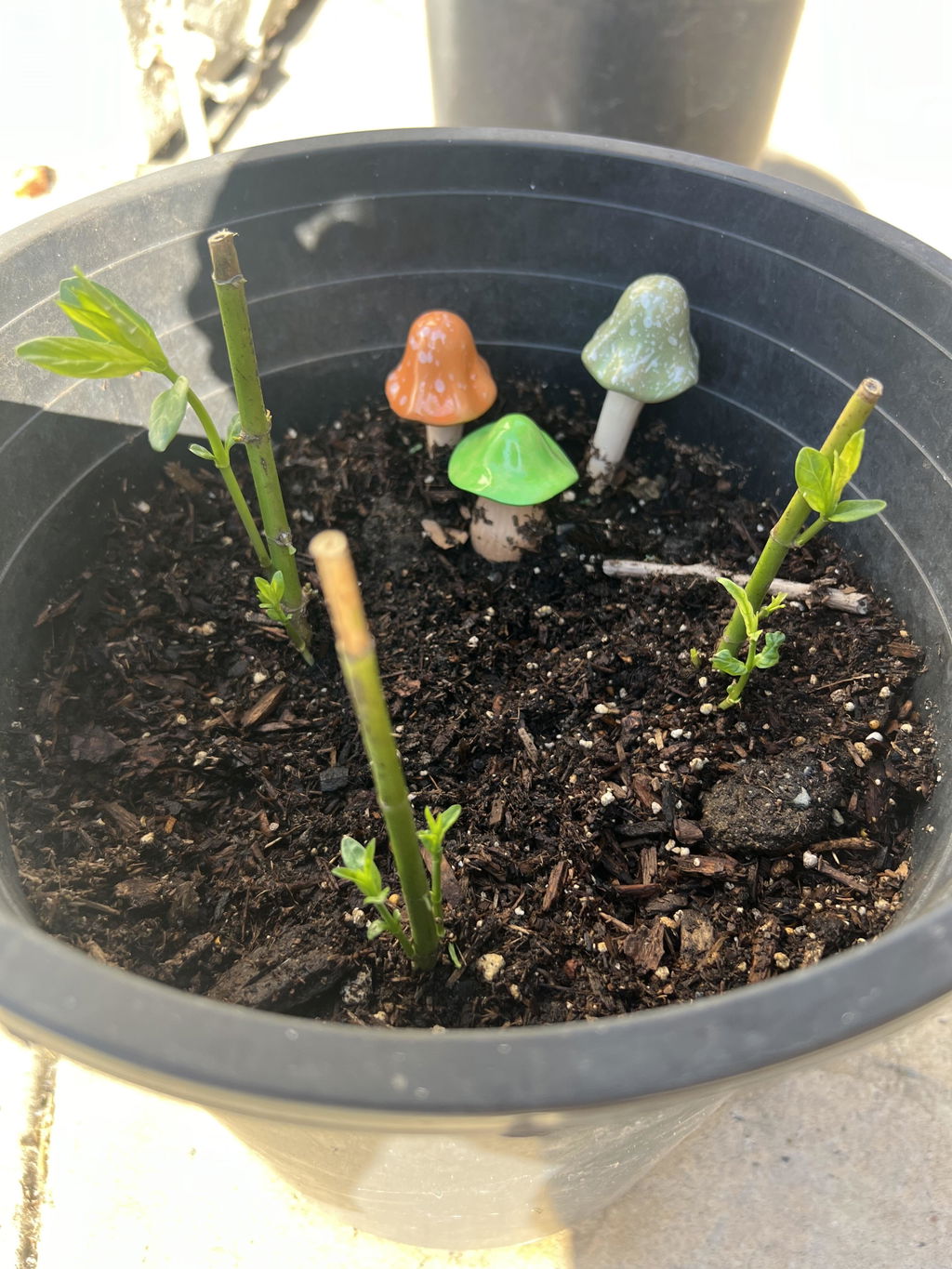
I was impressed with the roots on the Milkweed. It took some time to establish, but looks healthy now.
TN Nursery did a great job. My Milkweed was fresh, vibrant, and has been growing beautifully since day one. Highly recommend.
The plant came well-packaged and healthy. It’s grown so much in just a few weeks and is a perfect addition to my butterfly garden.
Does milkweed come back every year?
Yes, milkweed comes back every year as a hardy perennial. It regrows from its roots each spring, producing fresh stems and leaves. Once established, it reliably returns and provides vital habitat for monarch butterflies and other pollinators.
Where is the best place to plant milkweed?
The best place to plant milkweed is in full sun with well-drained soil. It thrives in open areas like meadows, gardens, and along fences where it gets plenty of light. With the right spot, it grows strong and attracts butterflies all season long.
Should I cut down milkweed in the fall?
Yes, you can cut down milkweed in the fall after the stems have dried and seeds have dispersed. Trimming it helps tidy the garden and encourages healthy regrowth in spring. The plant will return strong and ready to support butterflies next season.
Exposure
Milkweed plants thrive in full sun, requiring at least 6-8 hours of direct sunlight daily. They prefer bright, sunny locations with well-draining soil, promoting robust growth and attracting pollinators such as monarch butterflies.
Height at Maturity
Over 12"
Usage
Pollinator Plant
Shipped As
Bare-root
Ships
USPS
Planting Zones
3-10
How To Grow
How to Grow and Care for Bare Root Perennials, Tubers, and Bulbs
Bare root perennials, tubers, and bulbs are an easy and economical way to jumpstart your garden with lasting beauty. These dormant plants should be planted in early spring or fall while the soil is cool and workable. Before planting, soak bare roots in water for 1–2 hours to rehydrate them. Choose a location based on the plant’s light needs—most flowering types prefer full sun, while others thrive in partial shade.
For bare root perennials, dig a shallow hole and spread the roots out naturally, ensuring the crown is level with the soil surface. For tubers and bulbs, plant with the pointed side facing up at a depth about two to three times their height. Cover with soil, gently press down, and water thoroughly.
Keep soil consistently moist (not soggy) until new growth appears. Add mulch to retain moisture and suppress weeds, but avoid covering the crown or bulb tops. Once established, these plants require little maintenance—just seasonal watering, occasional dividing, and deadheading or pruning as needed. With proper care, they’ll return and thrive year after year.