Karl Newman
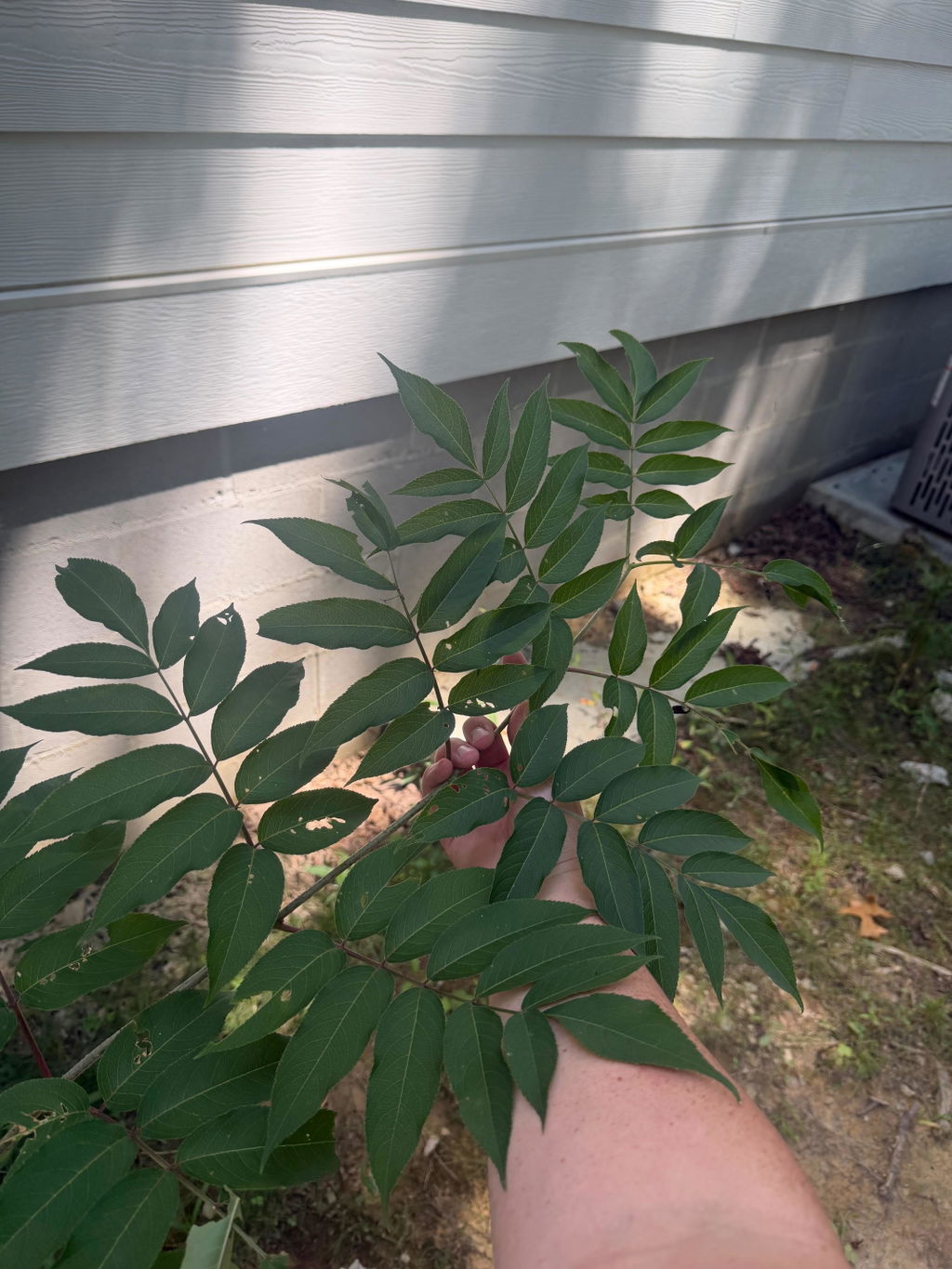
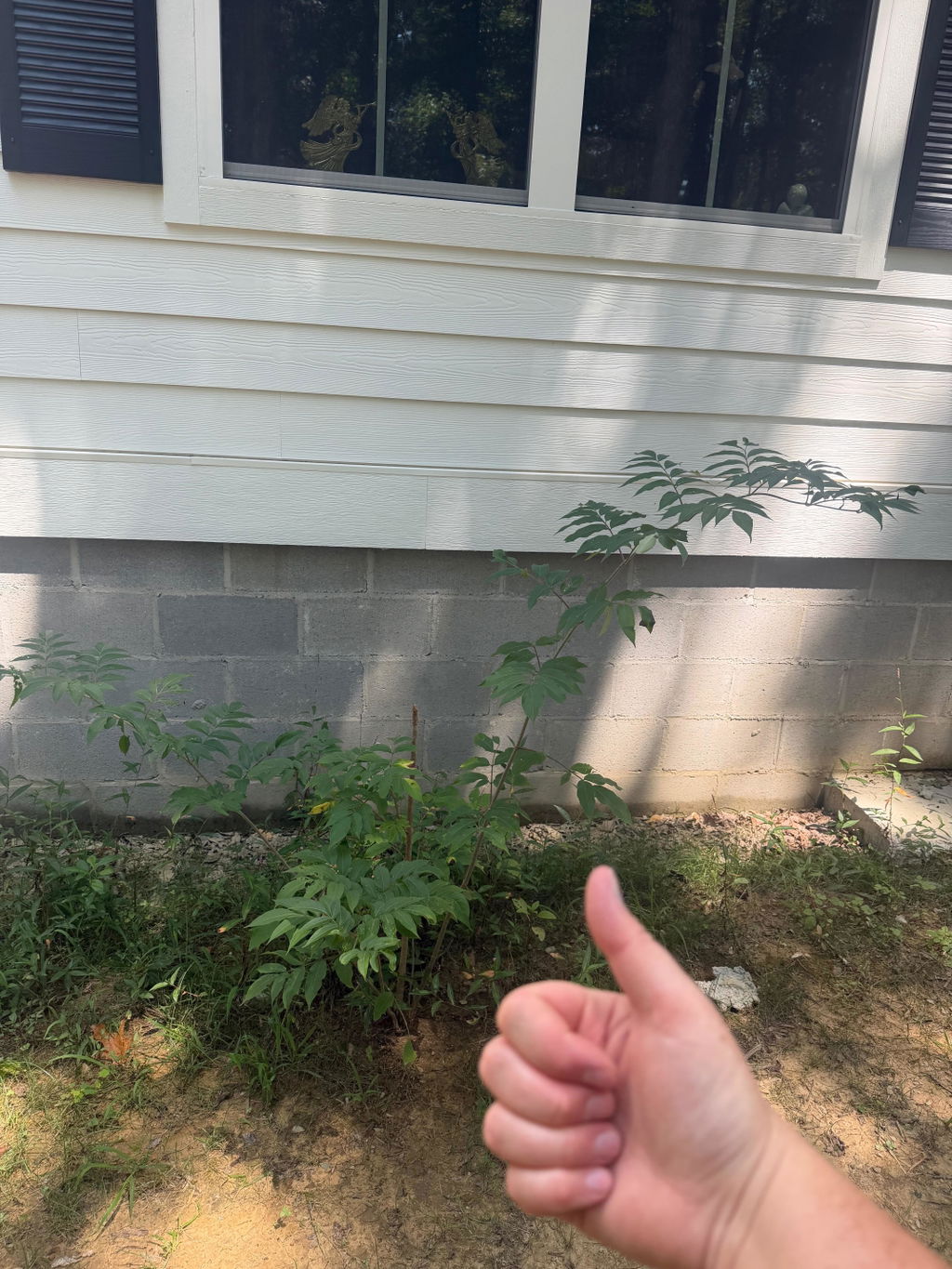
hi, it's really too soon to be giving a review. my plants arrived 4 days ago and I put them in the ground yesterday. as you said, they look like ****

Elderberry Tree
Ships Between November 15-29
3-9
6–12 Feet
Moderate and High
Full sun and Partial shade
Early summer (June–July)
Plant in moist, rich soil. Roots are shallow, so keep the soil moist the first summer. Cut stems more than three years old in late winter.
Full sun to partial shade, at least 6 hours of sun for the best fruit.
Native fruiting shrub , White flower clusters, berries for syrup and jam, Thrives in moist soil
Karl Newman
hi, it's really too soon to be giving a review. my plants arrived 4 days ago and I put them in the ground yesterday. as you said, they look like ****
Joseph Hubbard
Very happy with services.
Justin Harris
These guys pack well. They communicated well and every time I have ordered they have given extra. My plans are already budding. Thanks so much. I'd recommend them to anyone.
About this plant
An elderberry tree is one of the most rewarding native fruit plants you can grow. In early summer it is covered in broad, lacy plates of creamy white flowers; by late summer those flowers have turned into heavy, drooping clusters of dark purple berries for syrups, jams, pies and wine. TN Nursery's elderberry is the American elderberry (Sambucus canadensis), a fast-growing native shrub that can be grown as a multi-stemmed bush or a small tree. It ships bare root in 1–2, 2–3 and 3–4 foot sizes, and single-plant orders are Buy 1 Get 1 Free, which gives you the pair you want for the best berry harvest.
Elderberries have been a pantry staple in American homes for centuries. Gardeners grow them for homemade elderberry syrup, jelly, jam, pie filling and wine, while the fragrant flowers are used for elderflower cordial, tea and fritters. A healthy, established elderberry bush can produce several pounds of fruit each season.
To harvest, clip whole clusters when nearly all the berries are dark purple, then strip the berries from the stems with a fork. Ripe elderberries are cooked before eating, which is how traditional syrups, jams and pies use them. They freeze well for winter use.
Plant elderberry in a sunny spot with soil that stays reasonably moist. It fits well in a home orchard, an edible landscape, a hedgerow along a property line, a wildlife planting near a pond or a naturalized corner of the yard. Elderberry sends up new canes from the base and gradually forms a lush, dense stand, so it makes a fast, attractive privacy screen. It pairs naturally with other wet-ground natives such as buttonbush, spicebush and deciduous holly.
Elderberries often bear a small crop in the first or second year after planting and reach full production by the third year.
Elderberries set some fruit on their own, but planting two or more close together improves pollination and produces noticeably larger harvests.
American elderberry is naturally a multi-stemmed shrub. With pruning to a single main stem, it can be grown as a small tree, which is why many people call it an elderberry tree.
Elderberry grows best in full sun to light shade with moist, fertile soil, across USDA zones 3–9.
Elderberries ripen from late July through September, depending on your climate.
Elderberry is one of the most popular plants we grow at TN Nursery, a family-owned Tennessee nursery founded in 1959. Our customers give it a 4.8-star average across dozens of reviews. For larger plantings, see our bulk Black American elderberry seedlings and elderberry live stakes. You can also shop more fruit and berry plants or learn more in our elderberry growing guide.

Since 1959, TN Nursery has grown and shipped quality bare root plants nationwide. Shipped during dormancy, bare-root plants develop strong root systems and establish quickly. Our experienced team carefully harvests and packages every order, providing growers with trusted plants backed by over 65 years of nursery experience.
Learn More About
Bare root trees
Homegrown Harvest:
Growing your own elderberry bush gives you fresh, high-quality berries for homemade jams, jellies, syrups, pies and elderberry wine, plus fragrant elderflowers for cordials and teas.
Versatile and Attractive Elderberry Bush:
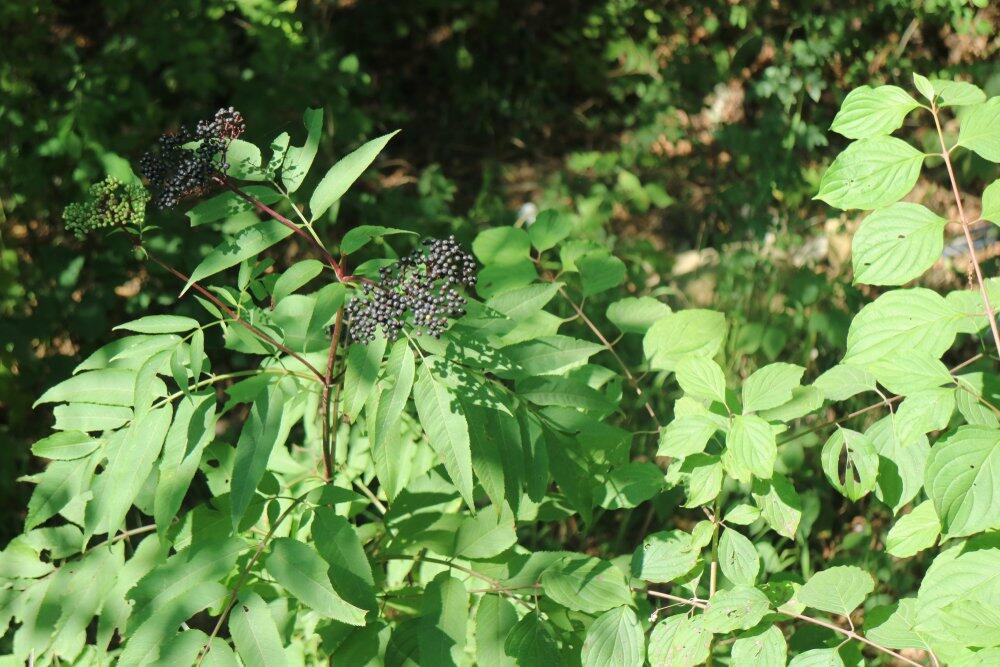
The Elderberry bush is a versatile medium-sized shrub with distinctive opposite compound leaves and clusters of tiny, creamy-white or pale pink flowers, followed by dark purple-black berries arranged in umbrella-like clusters. It adds beauty and structure to landscaping with its attractive foliage
Attracts Wildlife:
The fragrant flowers and dark berries of Elderberry bushes attract a range of wildlife, including birds and pollinators. This makes them a great choice for enhancing the biodiversity and natural appeal of your garden.
Seasonal Interest:
These bushes offer year-round interest, with striking clusters of creamy white flowers in June and July, followed by dark purple berries in August and September. Their foliage also provides a lush backdrop throughout the growing season.
Fall Digging
Spring Digging
Packing Orders
Customer Unboxing Video
Product Highlight
The Elderberry shrubs I bought are doing really well. Thank you again!
Good 🍬
About a month after planting the elderberries I received, one of my goats got into the front yard & was running along the fence line where I had the elderberries planted. Two of them were savaged, and one was broken off about 6" above the ground.
I put "cages" of dog wire around each plant, and reinforced the goat pen gate. That little elderberry that got snapped off is now 2 feet tall and growing like mad. Just wanted to say that I appreciate quality, healthy rootstock. Poor baby was barely established when it had to come back from almost nothing. Did it like a champ!
Heat has hit South Alabama. I don't want to receive anything killed in transit, so I'll be waiting to order when the heat breaks this fall.
I have ordered not just the elderberries, but chicory, 2 peach trees, 2 mulberry trees, and 2 aronia bushes. The quality each time has been above my expectations.
I'm going to need some persimmons, paw-paws, plums, quince, apricot, and pear trees... And I'm wanting Nanking & Cornelian cherry and some hazelnuts as well. I'm afraid you guys have a new customer for life. If only you had jujube trees!
Exactly what we wanted! Thank you for everything!
I received my plants one week after I ordered them and they already had new growth
I received the plants and I am absolutely elated with them. Lots of roots and in very good shape. Also. very prompt delivery
I ordered two mulberries last spring just trying your nursery out because I have ordered from others places bare root and they ****. But your mulberries not only came to life but have grown tremendously. So I will be ordering from u from now on
I couldn’t be happier with my Elderberry plants from TN Nursery. They were carefully packaged, arrived fresh, and are already showing buds. I’m excited for future harvests.
The Elderberry shrubs I got from TN Nursery are showing incredible resilience. Even in my unpredictable climate, they are thriving and adjusting well. Great investment for long-term benefits.
I love how the Elderberry plants I purchased are not only functional for fruiting but also add visual appeal. TN Nursery truly delivers ornamental and productive value in one plant.
TN Nursery provided Elderberry plants with well-developed root systems, making transplanting effortless. The growth has been vigorous, and I look forward to enjoying the berries in the coming seasons.
These Elderberry plants from TN Nursery established faster than any other shrubs I’ve purchased elsewhere. The stems are sturdy, and the foliage is already filling out beautifully. A must-buy for garden enthusiasts.
I was impressed by the robust packaging and the vitality of my Elderberry plants from TN Nursery. They took to the soil quickly and have shown steady progress. Perfect for anyone wanting reliable berry production.
The Elderberry plants I ordered from TN Nursery came in excellent condition—lush roots and vibrant stems. Within weeks of planting, new growth appeared, and I can already see this shrub becoming a focal point in my garden.
hi, it's really too soon to be giving a review. my plants arrived 4 days ago and I put them in the ground yesterday. as you said, they look like **** sticks with **** roots on them. in this weather they shoud perk up soon.
Very happy with services.
These guys pack well. They communicated well and every time I have ordered they have given extra. My plans are already budding.
Thanks so much. I'd recommend them to anyone.
Packaging was really great. Roots were wrapped, and kept moist during shipping. Had new leaves already starting. Can’t wait to see how much they grow this first year.
Very good quality berry plants. Would not hesitate to buy from this nursery again!
My order was quick and the quality of my plants were great. The dormant plants after planting are now showing new growth.
Won't know until they start growing
Packaging was great! Trees were in perfect condition. Great company! I will certainly be back!
Only gave a 4 star because I don’t know if they will grow and produce. That will take time. They were delivered promptly and safe packaging. I plan on purchasing more products at a later date.
I love my Elderberry bushes. They arrived in perfect shape. Thank you so much.
Great looking plants , came in well packed, hope to see them grow!
Very satisfied, with customer service, quick delivery , all around great experience!
The plants arrived early and received extra with my order. Can’t beat that.
My elderberry bush arrived within a timely manner and wasn't damaged in shipping. I can't wait until it starts producing.
Bush was in great condition came ready to plant! Packaged excellent.
They are great and shipped quickly
I bought 4 elderberry bushes during the BOGO free sale. I was delighted to find out an extra one was sent as well! Packaged with care and fast delivery. I’ve planted them, and now I’m excited to care for them and watch them grow! I’ve already recommended a few people to this company. I will definitely be ordering again!