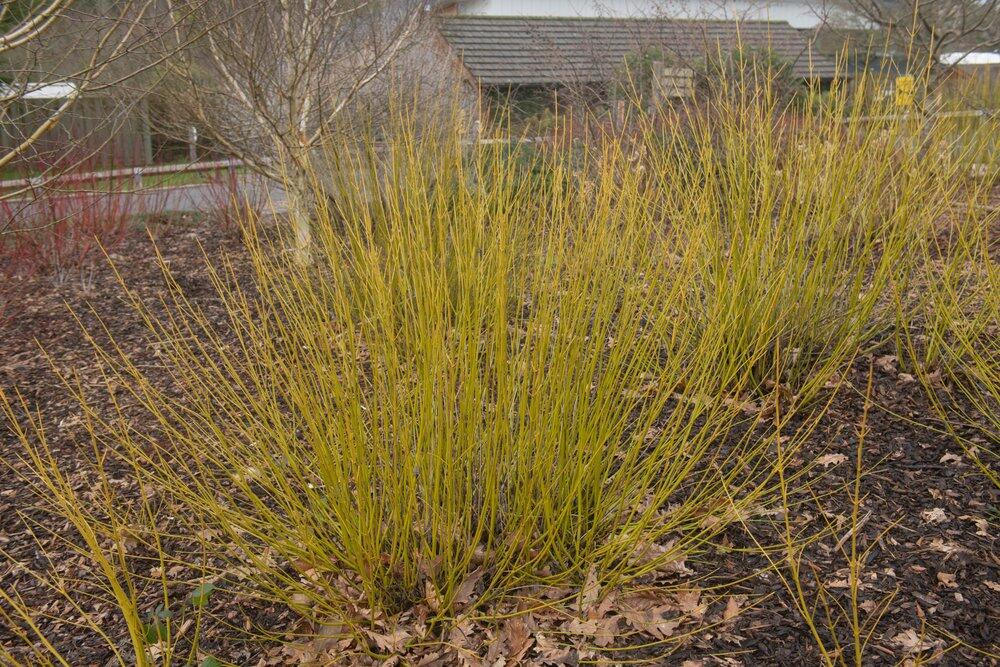
Red Osier Dogwood Shrub Details
Red Osier Dogwood - Cornus Sericea
Red Osier Dogwood (Cornus sericea) is among the most visually striking native shrubs in North America. With vibrant red stems, four-season interest, and adaptability, this shrub is a favorite for homeowners, landscapers, and restoration projects.
At TN Nursery, we have over 65 years of horticultural experience, supplying high-quality native plants to customers across the U.S., including national landmarks such as the Washington Monument and Arlington National Cemetery. Every Red Osier Dogwood we ship is backed by strong authoritative signals: experience, expertise, authoritativeness, and trustworthiness.
Why Red Osier Dogwood Is a Landscape Essential
This shrub is celebrated for its brilliant red stems that stand out in winter, adding bold color to snowy or dormant landscapes. In spring, it produces clusters of white flowers that support pollinators. Summer brings lush green foliage, and fall offers berries that birds love. With year-round beauty, cold hardiness, and resilience, it is among the most versatile and valuable shrubs for Northern and Midwestern landscapes.
TN Nursery’s Red Osier Dogwood: Grown for Performance
TN Nursery ships fresh, bare-root Red Osier Dogwood shrubs with strong, healthy root systems. Bare-root plants establish faster, grow more vigorously, and adapt more easily than potted shrubs. Each plant is grown by experienced horticultural professionals who understand native species and the demands of American landscapes.
Top Benefits of Red Osier Dogwood
- Striking Red Winter Stems: Adds dramatic color when gardens need it most.
- Native & Cold Hardy: Thrives in USDA zones 2–7, including frigid climates.
- Pollinator-Friendly: Spring blooms attract bees and beneficial insects.
- Wildlife Supportive: Fall berries feed birds; bushy structure provides shelter.
- Fast Growing & Tough: Performs well in wet soils, clay, and challenging sites.
Ideal Growing Conditions
It thrives in full sun to partial shade and prefers moist, fertile soil. It performs well in wet areas, making it ideal for streambanks, rain gardens, low spots, and erosion-control planting. Once established, it becomes drought-tolerant and reliable even in tough conditions.
How to Plant Red Osier Dogwood
- Plant during dormancy—late fall through early spring.
- Dig a wide planting hole and loosen surrounding soil.
- Set the bare-root shrub at the nursery depth and backfill.
- Water deeply and mulch to retain moisture.
- Prune lightly in early spring to enhance red stem color.
Ecological Benefits
This Red Osier Dogwood shrub is a powerhouse for ecological landscapes. Its strong root system stabilizes soil along waterways, reducing erosion. The flowers provide nectar for pollinators, and its berries feed songbirds and small wildlife. As a native shrub with year-round value, it plays an important role in rebuilding habitat and supporting biodiversity.
Why Buy Red Osier Dogwood from TN Nursery?
Since 1959, TN Nursery has been a trusted grower of native shrubs, supplying customers nationwide with hardy, landscape-ready plants. Our Red Osier Dogwood shrubs are grown with expert care and shipped fresh to ensure strong establishment. With decades of horticultural experience, TN Nursery provides plants you can trust to perform for years.
Frequently Asked Questions
Does Red Osier Dogwood keep its red stems year-round?
The stems are brightest in winter, but maintain red coloration year-round.
How big does Red Osier Dogwood grow?
Most mature at 6–9 feet tall and wide, forming a full, dense shrub.
Is Red Osier Dogwood good for wet areas?
Yes—it's excellent for soggy soil, streambanks, and erosion control.
Is it easy to grow?
Yes. It’s one of the most adaptable native shrubs available.