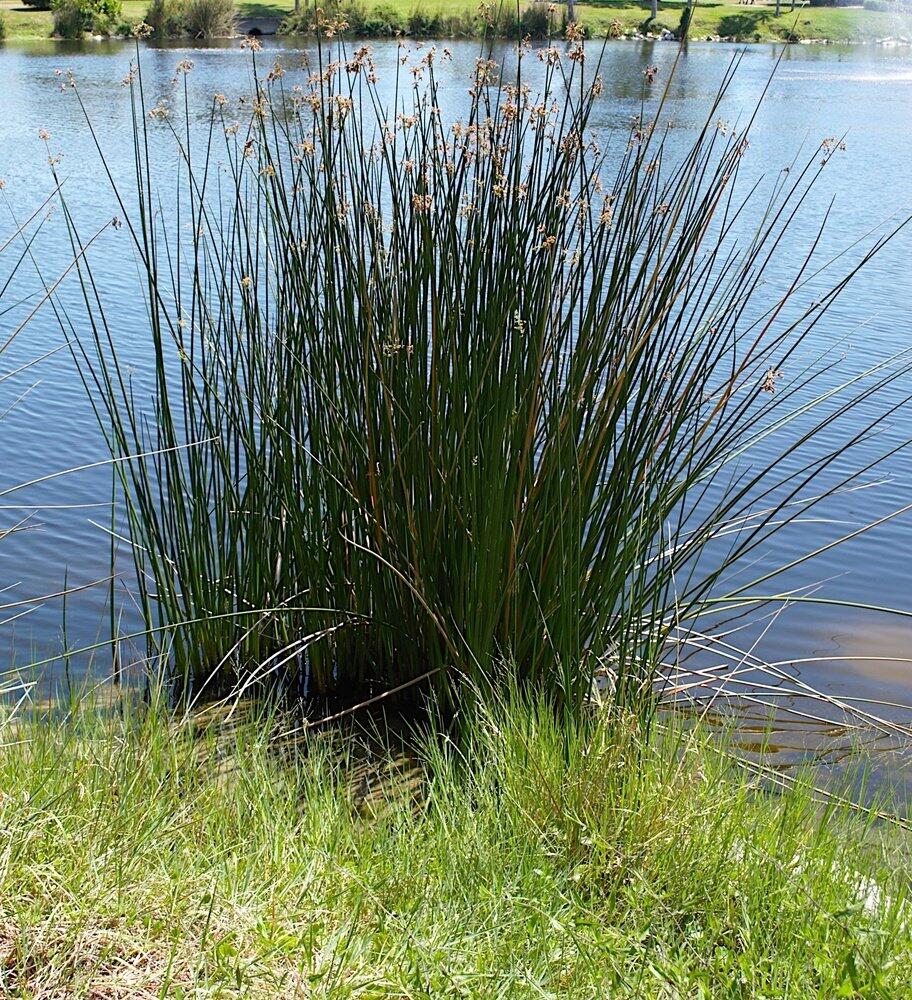
Tall green bulrush reeds with golden-brown seed heads swaying against blue sky

Bulrush Plant

Buy 1 Get 1 Free
$9.99
Sale price  $9.99 Regular price 
Skip to product information
Tall green bulrush reeds with golden-brown seed heads swaying against blue sky

Bulrush Plant

Enhances wetland habitat diversity, Erosion control for aquatic areas, Easy to maintain and hardy
$9.99
Sale price  $9.99 Regular price 

Fast Shipping Nationwide

Truck on checkered background
Quantity Buy 1 Get 1 Free

Ship Date: 10-12 Days

Add 1 plant to your cart, and we'll send you a 2nd one FREE!

Share our plants on social media!

This Item is not eligible for shipment to the following states: AZ.
Tennessee Wholesale Nursery

In Stock

Tennessee Wholesale Nursery

Your planting zone -

Tennessee Wholesale Nursery

This plant thrives in zones: 3-9

Tennessee Wholesale Nursery

Delivery to your location

Bulrush for strong native plants for landscaping

Bulrush is a dependable choice for wet areas that need beauty, structure, and ecological value. We grow this vigorous aquatic grass for gardeners seeking native plants for landscaping that can help stabilize soggy ground and add bold vertical texture around ponds, marsh edges, and rain gardens. Its upright green stems and airy brown flower clusters create a natural look while offering shelter for wildlife. If you want a practical plant for difficult wet spots, this is one of our most useful landscaping plants .

Key Features

  • ✓  Thrives in waterlogged soil and consistently moist planting areas
  • ✓  Grows 3-10 feet tall for strong vertical interest near ponds and wetlands
  • ✓  Spreads with clumping rhizomes to help with erosion control and soil stability
  • ✓  Provides food, shelter, and nesting material for wildlife and aquatic creatures
  • ✓  Tolerates full sun to partial shade and can handle brackish conditions

Details

Product Type Aquatic plant
Family Cyperaceae
Botanical Reference Scirpoides holoschoenus
Light Requirement Full Sun – Partial Shade
Water Needs High
Height 3-10 ft.
Spread Indefinitely with clumping rhizomes
Growth Rate Moderate-Fast
Bloom Time Late Spring – Early Fall
Flower Color Brown, Green
Wildlife Value Provides food, shelter, and nesting material for wildlife
Special Tolerance Can tolerate brackish or salty conditions

Landscape Uses and Maintenance - Bulrush Plants (Scirpoides Holoschoenus)

We recommend Bulrush for ponds, marsh edges, soggy rain gardens, and wet rock gardens where many other plants struggle. When planted in wet conditions, its root system helps filter pollutants and impurities, which can improve water quality over time. It is especially valued for erosion control because it handles saturated soils so well. One honest note: this is not the best fit for small, dry planting beds, since it wants constant moisture and can spread steadily through underground rhizomes. Occasional thinning may be helpful if nearby plants need more room.

Noteworthy Characteristics of Bulrush Plants

Bulrush produces long-lasting inflorescences that can remain attractive for several months. These flower clusters are airy and subtle, often appearing at different angles for a natural, slightly whimsical effect. The leaves are distinctly sheathed and form tight, narrow, upright shoots. Amphibians often lay eggs around the base of the plant, making it a practical choice for gardeners who want habitat value as well as landscape function.

At TN Nursery, we have been growing plants since 1959, and Bulrush remains one of our most reliable choices for wetland beauty, habitat support, and problem-solving in soggy spaces.

Frequently Asked Questions

▾What is Bulrush best used for in landscaping?

Bulrush is best used in wet areas such as pond edges, marshy spots, and rain gardens. It is one of the most practical native plants for landscaping where moisture is constant and erosion control is needed.

▾How tall does this aquatic Bulrush plant grow?

This Bulrush typically grows 3-10 feet tall. Its upright habit makes it useful for adding height, screening, and texture among other landscaping plants.

▾Does Bulrush help wildlife in a garden or pond setting?

Yes. Bulrush provides food, shelter, and nesting material for wildlife, and amphibians may lay eggs around its base in wet environments.


Need Help?

Phone: 931-692-7325

Call Now

Exposure

Bulrushes thrive in full sun to partial shade. They prefer bright, direct light but can tolerate some shading, especially in hotter climates. Ensure they have consistent moisture for optimal growth and health.

Usage

Wetland Plant

Shipped As

Bare-root

Ships

USPS

Planting Zones

3-9

How To Grow

How to Grow and Care for Specialty Plants for Specific Causes

Specialty plants serve meaningful purposes beyond beauty—whether it's attracting pollinators, repelling pests, preventing erosion, feeding wildlife, or creating habitat. To grow them successfully, start by understanding the specific goal of your planting. For example, milkweed and bee balm are best for pollinator gardens, while vetiver and creeping juniper are ideal for erosion control. Choose plants that are well-suited to your USDA zone, soil type, and light conditions to ensure long-term success.

Prepare the soil by enriching it with compost and ensuring good drainage. Plant during the recommended season—usually early spring or fall—and space according to mature size to prevent overcrowding. Water regularly during the first growing season to help roots establish, then reduce frequency once the plants are settled. Mulching helps conserve moisture and keeps weeds at bay.

Minimal pruning and occasional fertilizing will keep most specialty plants healthy. Whether you’re supporting bees, deterring deer, or stabilizing a hillside, these plants are powerful tools in building a purpose-driven, eco-friendly garden.

Care Tips
Bulrushes thrive in moist, marshy conditions. Keep the soil consistently wet and provide good drainage to avoid root rot. Trim dead stems to encourage new growth and monitor for pests. They are hardy and low-maintenance once established.
Light Requirements
Bulrushes thrive in full sun to partial shade. They prefer bright, direct light but can tolerate some shading, especially in hotter climates. Ensure they have consistent moisture for optimal growth and health.
A sun-dappled dirt path winds through a lush, green forest with ferns and wild plants lining its sides.

Grower-Direct Plants Shipped Fast - Satisfaction Guaranteed