
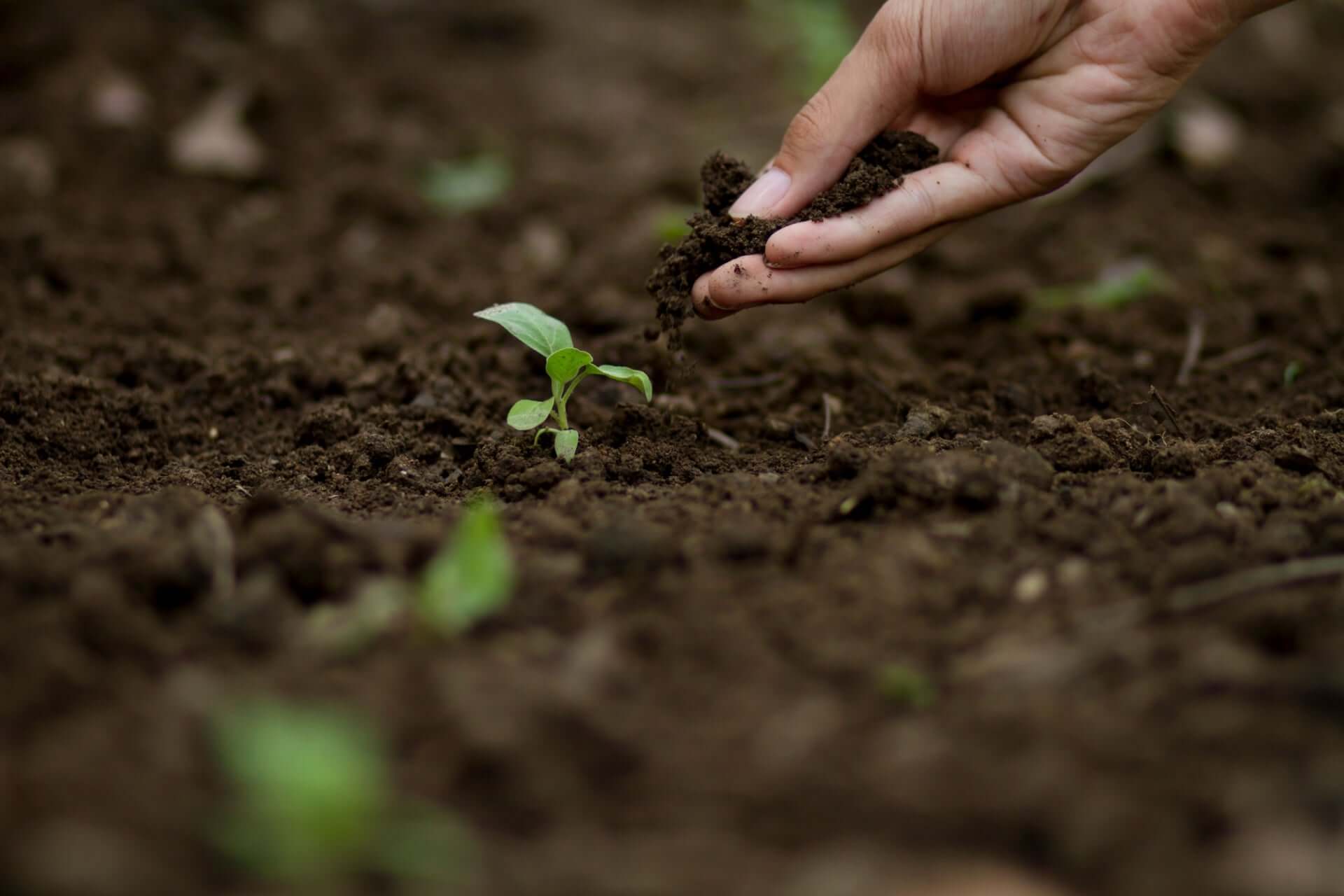
One of the easiest and most enjoyable ways to interact with nature is to plant things at home. It makes people feel better, helps the environment, and lets first-time farmers grow beautiful plants with simple steps. For anyone new to gardening, the key is to start small, choose plants for beginners, prepare the soil well and follow easy care routines. With the right technique, beginners can fastly build confidence and enjoy real success.
This guide goes through the basics of beginner gardening, plant selection, soil preparation, seasonal care and long-term success. It also shows safe picks like Lily of the Valley, Persimmon Seedlings, and Trumpet Vine.
Why Start a Home Garden
When you start a garden at home, you can make a peaceful, open place and learn how to take care of plants at the same time. Gardening for beginners doesn't require much knowledge to get started. They just need to be patient and pick easy-to-grow types to start. Some simple habits that will help them are watering them often, checking the sun, and being patient. A home garden also grows food, cleans the air, and helps local animals. It also gives families a place to relax. For beginners just starting out, small steps make a big difference and help them keep going all year.
Choosing Beginner-Friendly Plants
-
Lily of the Valley- Lily of the Valley, a pretty flower, does best in shady spots and grows slowly over time, which makes it a great plant for people who are just starting out. Once it's established, it doesn't need much care and adds a lovely scent and growth. Great for your first garden while you learn about the soil and light.
-
Persimmon Seedlings- Persimmon Seedlings are a hardy fruit tree that grows slowly and doesn't need constant care. A good example of plants for beginners that provide life and pleasure is this one. Which can teach new farmers patience and reward them with fruit as it grows.
-
Cherry tomatoes (the small kind)- These little tomato plants are great for people who don't have a lot of room or experience because they are easy to grow, small, and produce a lot of tomatoes. They do well in sunlight, regular watering, and simple support, so they're great for getting results quickly without a lot of work.
-
Bush Beans- For new growers, bush beans are a trusted crop that requires little care. Bush beans grow quickly, don't need many stakes, and produce a lot of beans.
Preparing Your Garden Space
It is best to plant a garden where plants can get enough sunlight, which, for most flowers and veggies, is between 6 and 8 hours a day. The soil should be open, nutrient-rich, and free of large rocks or other debris. Adding compost or other organic matter can help the soil drain more effectively and support more plant growth. Even the best plants for beginner gardeners can grow quickly with the help of these easy steps, which simplify beginner gardening. Everything goes more smoothly when the place is well planned.
Planting and Care Basics
Once the area is ready, make holes that are just a bit bigger than the root ball. Loosen the roots up a bit, and then put the plant in the hole at the same depth it was at when it was in its pot. Give it a lot of water and cover it with leaves to keep the water in. For beginners, the most important things to do in gardening are to water regularly, watch the sun, and prune lightly. With these basics, plants like Trumpet Vine and Persimmon Seedlings can get settled in fast and grow well in their first season.
Common Mistakes Beginner Gardeners Make
-
Choosing difficult plants over easy starters
Highly maintenance plants are famous with newcomers. Beginner gardeners should focus on the best plants to avoid disappointment.
-
Not improving the soil.
Anyone who practices gardening for beginners must have good soil. Even small changes, like adding soil or following the beginner gardening tips easily, can make a huge difference in plant health.
-
Not taking into account how much sunshine plants need
Beginners often move plants around and leave sun-loving types in deep shade. To keep plants from getting stressed out and not growing well, you need to know what they need to survive.
-
Having too much or too little water
Many new farmers water their plants either too much or too little. These common problems can be avoided by sticking to a schedule, checking soil moisture, and learning how plants behave.
-
Plants are being crowded together
Without room, roots have a hard time getting oxygen, and diseases spread. For beginners, the best way to keep plants healthy is to use easy planning and space rules.
Seasonal Maintenance Tip
-
Spring- Preparing, cleaning, and refreshing the soil.
In the spring, you should clean up the area, add compost, and rebuild the soil's healthy structure. This is the ideal time to add new plants for beginners and check for winter damage if you are practicing beginner gardening. Beginning with nothing sets the stage for a fruitful, healthy growing season.
-
Summer- Watch water levels and protect plants from heat.
Water plants and provide mild shade during hot climates. Summer maintenance is particularly important for starter plants that may dry out.
-
Fall- Prepare for colder weather by pruning and mulching.
In the fall, you should cut back any broken stems, remove any dead annuals, and cover the roots with mulch to keep them warm. Now is a great time to plant hardy types and make the garden stronger for winter. Beginners learn how important it is to plan for the long term and the changes in seasons.
-
Winter- Keep the roots safe and make plans for the next season
Many plants rest in the winter, so newbies should cover them with straw or leaves to protect them. Winter is also a good time to develop new layouts and choose spring-hardy plants for beginners.
-
All year- Check on the plant's health.
Each gardener can check for issues early, such as insects or nutrient deficiencies, by checking regularly. Making changes to your watering, weeding, and soil care yearly that improve your spirit. And help you turn beginner gardening habits into long term successes.
Conclusion
Persimmon Seedlings
Starting small, picking easy-to-grow plants and following simple care steps can help gardeners who are just starting out grow gardens that do well. Anyone can achieve beginner gardening with careful planning, healthy soil, and consistent upkeep. Picks that you can count on, like Lily of the Valley, Persimmon Seedlings and Trumpet Vine, make the process even easier and help first-time farmers enjoy beauty and success right away.
FAQ
What is the easiest way to start home gardening?
Start with a small plot, choose plants that are easy for you to take care of and stick to simple care habits like watering regularly and making the soil better.
How do I prepare soil for a beginner garden?
Perennials
To help roots grow strongly, add compost, soil cleaning and make sure it drains well.
Which plants are the best for beginner gardeners?
Beginner’s Guide To Gardening
Trumpet Vine, Lily of the Valley or Persimmon Seedlings are all simple plants to begin with. These are best for beginner gardeners.
How to arrange plants in a garden for beginners
Hardy Perennial
Sun loving plants should be kept in the fully sunny area and shade plants should be in cooler places. Make sure there is enough space between plants to allow proper airflow.
What common mistakes should beginners avoid?
They are watering too much, picking plants that are hard to care for, not improving the soil, and putting them in the wrong place.
How to make a garden step by step for beginners?
Get the soil ready, pick easy plants, put them at the right level, water them regularly, and keep an eye on their growth.


