
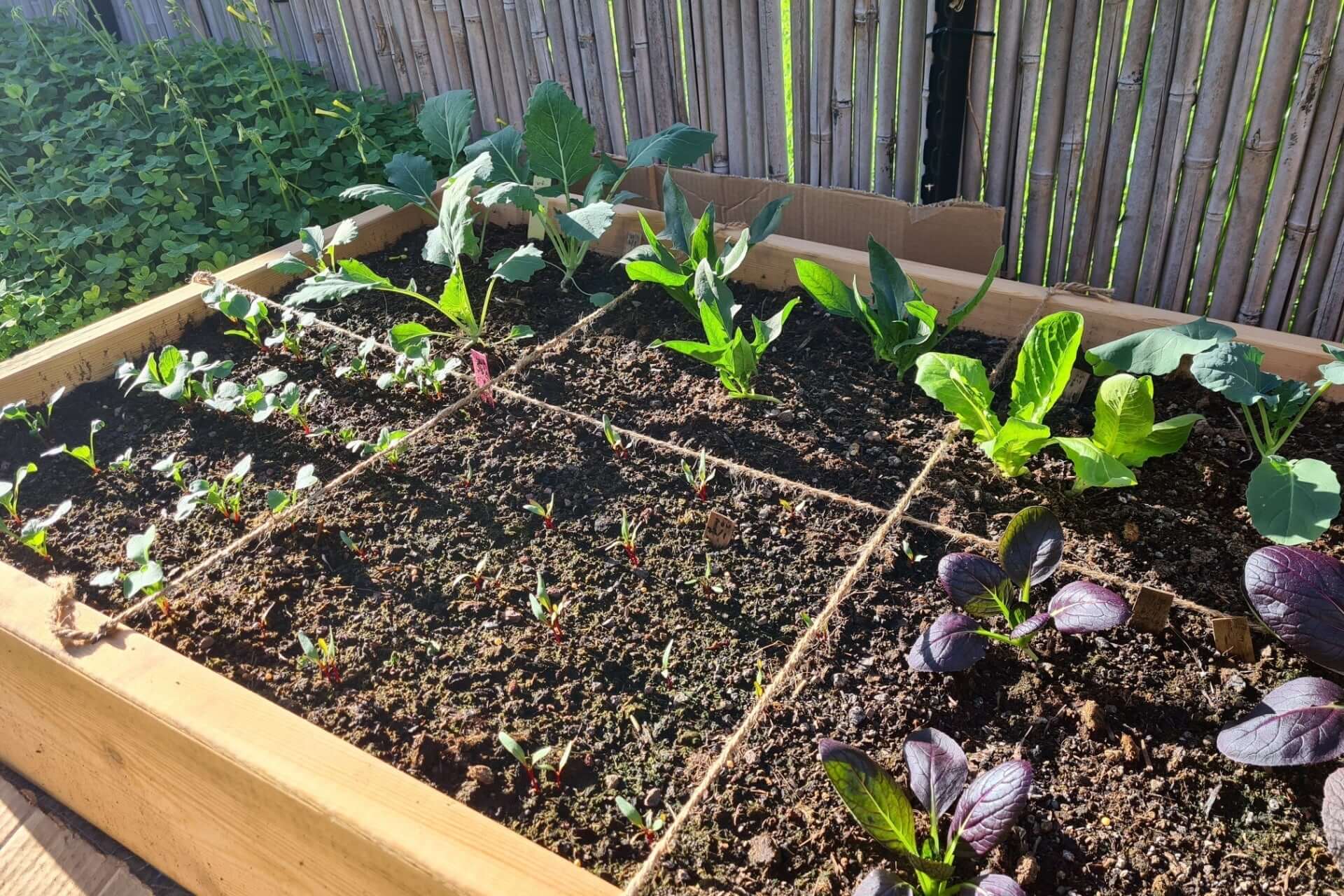
For farmers working with small spaces, the square-foot method has become well-known because it helps them make the most of every inch. This well-organised structure reduces waste, improves crops and makes planning easier. Square foot gardening is the best method that works well for both new and experienced growers when you pay attention to spacing, crop rotation, and smart arrangement. You can grow more food and flowers in less space by using raised beds, neat lines and organised plants to maximise garden space.
Why Square-Foot Gardening Works for Every Gardener
Because square-foot planting is flexible, it can be used for gardens of all kinds. A square foot gardening planner is used by many to plan where to plant and how to be more productive throughout the season. You can mix veggies, flowers and ornamentals in a raised bed that still looks like a bed by splitting it into smaller parts. This method works especially well in city yards, decks and other small outdoor spaces because it keeps plants from getting too crowded and helps farmers keep up with regular upkeep and watering. This method allows plants to grow steadily while taking up very little room, whether you are new to farming or just want a better scheme.
Choosing the Right Plants for Small-Space Productivity
Thriving Zone
Choosing small plants that can do more than one thing can help small beds produce more. Herbs like Pee Gee Hydrangea add height and blooms at different times of the year without taking over the yard. Fragrant plants like Carolina Allspice add colour and scent while helping pollinators, and they fit nicely into corners. Witch Hazel has interesting flowers and a compact shape. It's good for early-season interest. People who want to get gardening ideas often look at small space garden ideas to find plants that can grow well together without fighting over resources. The goal is to choose types that do not spread too quickly but still look good over time.
How to Set Up a Square-Foot Garden the Right Way
-
Select the proper elevated bed size
Use a 4x4 elevated bed to reach every corner. A square foot gardening chart fits wonderfully with this size, keeping novices organised.
-
Divide the bed into clear 1-foot portions.
Mark 16 equal squares using thread or wood. The essence of square-foot gardening is a basic grid that manages spacing and minimizes overcrowding.
-
Fill the bed with nutrient-rich soil.
Plants get oxygen and nutrients from compost, peat moss, and vermiculite. Good soil helps small space garden ideas with strong root growth.
-
Place plants using a square foot gardening planner.
Plant each square with small plants based on how far apart they are. Later, planners switch crops around and make sure that every area is useful.
-
Seed or seedlings at the right depth
Keep seeds with similar water needs together and follow the packaging rules. This helps with garden care and in a raised-bed gardening setup.
-
Add mulch to retain moisture.
Mulching keeps soil cool and prevents weeds. It also helps little gardens grow better when every inch counts.
-
Water lightly and regularly
Use a watering can or gentle spray to prevent washing seeds. Check moisture levels regularly, as raised beds dry quickly.
-
Weekly progress tracking
Notice what grows well and what needs tweaking. This easy procedure boosts seasonal outcomes and maximises space.
Soil Preparation Tips for Stronger, More Productive Beds
Start with soil that is soft and drains well.
For square foot gardening to work, the soil needs to be healthy. Loose soil makes it easy for roots to spread, and it helps you maximise garden space by promoting better, fuller growth within each small square.
-
Lots of organic waste should be mixed in.
Compost improves the structure, adds nutrients and helps the soil hold more water. This helps all plants grow well in small areas, where soil quality affects their growth.
-
Mix peat moss and vermiculite in a way that makes sense.
This well-known mix makes the soil mild and airy. It also keeps the soil from getting too compacted, which is important if you want to grow a lot in a small area.
-
Before growing, check the pH levels.
Soil that is slightly acidic to neutral is best for most plants and flowers. By adjusting the pH, you can ensure that all squares grow at the same rate.
-
Take out the soil, rocks and roots.
Cleaning up the bed helps the seedlings grow faster. Clean soil also makes each part of your garden grid stronger and reduces the number of hiding places for pests.
-
As needed, add slowly acting minerals.
If a test of your soil shows that it lacks nitrogen or potassium, you should add natural fertilisers before you plant. This helps plants stay productive over time without making them too crowded.
-
Use a light mulch after planting.
When trying to maximise garden space, a thin layer of mulch covers the soil's surface, retains moisture, and reduces weeds.
Seasonal Maintenance That Keeps Your Garden Thriving
Small plants stay useful and look nice as long as they get regular care. Deeply water the soil, but don't let it get too wet. This is especially important in raised beds where water can drain fast. Maintenance jobs like cleaning, trimming, and checking the distance between plants help keep your garden in balance. Moving crops from one area to another reduces pest populations and improves the long-term health of the land. Many gardeners use a simple square-foot gardening planner to track plant changes, plan yearly updates, and monitor growth. Even the smallest garden can stay healthy all spring, summer and autumn if you keep an eye on it.
Conclusion
Gardeners can get more done in less space with square-foot gardening's simple, well-organised method. You can create a system that keeps your garden productive season after season by using raised beds, spacing plants correctly, and rotating crops. Shrubs that aren't too big, like Witch Hazel, Carolina Allspice and Pee Gee Hydrangea, look great in small beds and give your yard structure and colour that lasts.
FAQ
What is the easiest way to maximize small garden space?
By dividing your yard into parts that are easier to work with, a planned square-foot layout helps you grow more plants more quickly.
How do I prepare soil for square-foot gardening?
Loosen the earth with compost and keep it at a light, nutrient-rich mix that drains well in raised beds.
Which plants grow best in a square-foot layout?
Herbs, veggies and compact bushes do best because they stay in one place and produce a lot during certain times of the year.
How much water does a square-foot garden need?
Witch Hazel
In most cases, deep watering once or twice a week, based on the weather, is enough to keep most beds wet.
What are the benefits of square-foot gardening?
It makes things more organised, saves space and lets you grow more kinds of plants in a smaller area.
What should beginners plant first in a raised bed?
Easy growers like lettuce, herbs, radishes and compact flowers are ideal for beginners starting with raised beds.


