
Making a garden that grows, changes and does well in every season is what timeless gardening is all about. You can have a garden that looks great and is useful every year. If you plan it well and choose the right plants. This method combines traditional methods with smart new ones, such as hugelkultur gardening and premature gardening, to help farmers work with nature rather than against it.
Gardeners can build a landscape that lasts by picking plants that can handle harsh conditions, making the soil healthier and giving it regular care throughout the year. Some plants that do really well in this kind of long-term, flexible garden planning are tulip trees, cushion moss and pawpaw.
Understanding the Principles of Timeless Gardening
Timeless gardening uses practices that have always worked. Examples include improving the soil, using natural resources wisely, and picking plants that will last for a long time. Timeless gardening tips include knowing the soil, paying attention to seasonal changes, and planting for long-term growth.
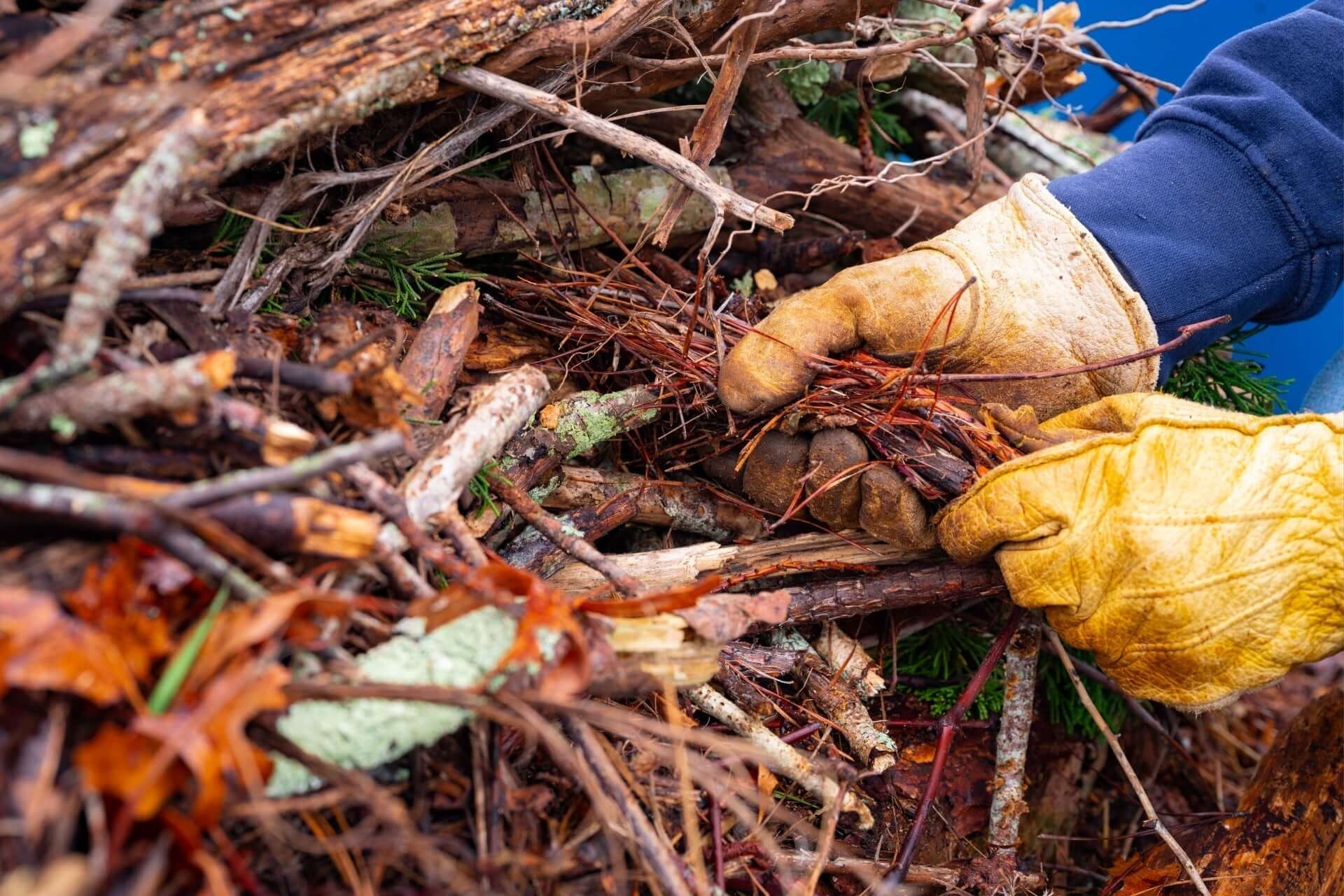
Modern sustainable approaches, such as hugelkultur gardening, align with this philosophy, too. Logs, branches and organic debris improve soil organically, converting decomposition into long-term fertility. Building good soil, creating strong root systems and planning with care might help make gardening easier.
Step-by-Step Seasonal Planning for Year-Round Growth
Step 1 - Look over your garden in early spring.
First, look at the soil's health, any extra trash, and its amount of wetness. Early spring is the best time to plan new layouts, clean up beds, and mark out planting zones. Adding organic matter now will help future projects like hugelkultur raised garden beds, which make the soil better on their own.
Step 2- Plant and get ready from late spring to early summer
As the weather gets warmer, add hardy plants, mix the waste again, and start lightly covering. Applying timeless gardening tips like spaced planting and choosing types that do well in more than one season are also important at this time. Consistency in watering is important; make changes based on how the sun shines.
Step 3 - Make growth stronger in the middle of summer
Keep the plants well-hydrated, get rid of bugs, and prune to let air move. Also, trying small parts of the hugelkultur gardening method is best in the middle of summer, especially for plants that do better with wet mounds.
Step 4 - Get ready for Summer Sleep in the Fall
Spread fertiliser, pick up leaves, split perennials, and plant species that are still growing late in the season. Preparing in the autumn protects plants over the winter and makes their roots stronger for the following year.
Step 5- Get ready for winter and protect yourself
Plan food cycle, improve yard structures, and cover roots with mulch during the winter. Talk about what worked and what didn't in your garden so that it gets better every season.
Selecting Evergreen and Resilient Plants for Every Season
You need plants that stay the same shape and colour no matter what the weather is like all year long. Tulip trees are a standard choice because they provide shade in the summer and beautiful flowers in the spring. Cushion moss stays bright even in winter, keeping paths and shaded areas green and fresh.
Pawpaw is one of the top and famous plant for long-term garden planning because its flowers and fruit smell great and change with the seasons. Gardeners can also go for the plants that do well in hugelkultur raised garden beds, which keep water well and support plants with deep roots that can survive in dry conditions.
Soil Preparation and Nutrient Management for Healthy Plants
You need healthy soil for a garden to survive a long period. This goes well with the hugelkultur gardening method, which uses decaying wood to improve soil quality from below.
You can add compost, grass, leaves and other natural additions to improve the soil, even if you're not making a raised mound. In both traditional and permaculture gardening, it's important to keep the soil wet but not soaked, mulch it often and move plants around.
Practical Tips for Maintaining Your Garden Throughout the Year
A timeless garden doesn't need work every day- it just needs steady, thoughtful care.
-
Check the soil wetness
Your plants won't get too much or too little water if you check the soil wetness level regularly
-
Every season, pruning is important
Pruning plants keeps them active and helps new leaves grow, especially during busy growing times.
-
Keep roots safe with mulch, and water them in.
Mulching is one of the best and most useful gardening tips because it keeps plants warm and fresh for a long time.
-
Add natural things, like logs or trees.
Adding organic matter is like using nature to build hugelkultur raised garden beds, it makes the soil more fertile over time.
-
Add natural things, like logs or trees.
Adding organic matter is like using nature to build hugelkultur raised garden beds, it makes the soil more fertile over time.
-
Help wildlife grow.
To create a more stable environment, mix trees, groundcovers, flowering plants and evergreens such as Pawpaw, Cushion Moss and Tulip Trees.
Conclusion
Permaculture and hugelkultur gardening are the two methods that combine with ancient knowledge in a timeless gardening strategy practiced all year. Plant hardy plants that improve soil organically and follow easy seasonal routines to create landscapes that grows year after year. For a long-lasting, successful garden, Tulip Trees, Cushion Moss and Pawpaw provide structure, beauty, and flexibility.
FAQ
What is timeless gardening and why is it important?
It is a long term way that focuses on advanced planning, taking care of the soil and keeping plants healthy throughout the year.
How do I plan a garden for year-round productivity?
Plan in steps that fit the seasons- grow in the spring, maintain in the summer, build up the soil in the autumn and protect in the winter.
Which plants are best for seasonal and evergreen growth?
Perennials
Evergreens, hardy plants, Tulip Trees, Cushion Moss and Pawpaw all help keep the structure and strength of the garden all year.
How should soil be prepared for long-term garden health?
The hugelkultur gardening method can help you with natural gardening ways like using waste, soil or organic matter and compost.
What maintenance tasks are essential in each season?
Tulip Trees
Cutting back plants, adding mulch, feeding them, building up the earth, and keeping them safe during the winter.
How can beginners start timeless gardening easily?
For long-term success, start small, follow all the timeless gardening tips, select hardy plants and naturally improve the soil.


