Goldenrod Details
Goldenrod Plant — Solidago Spp.
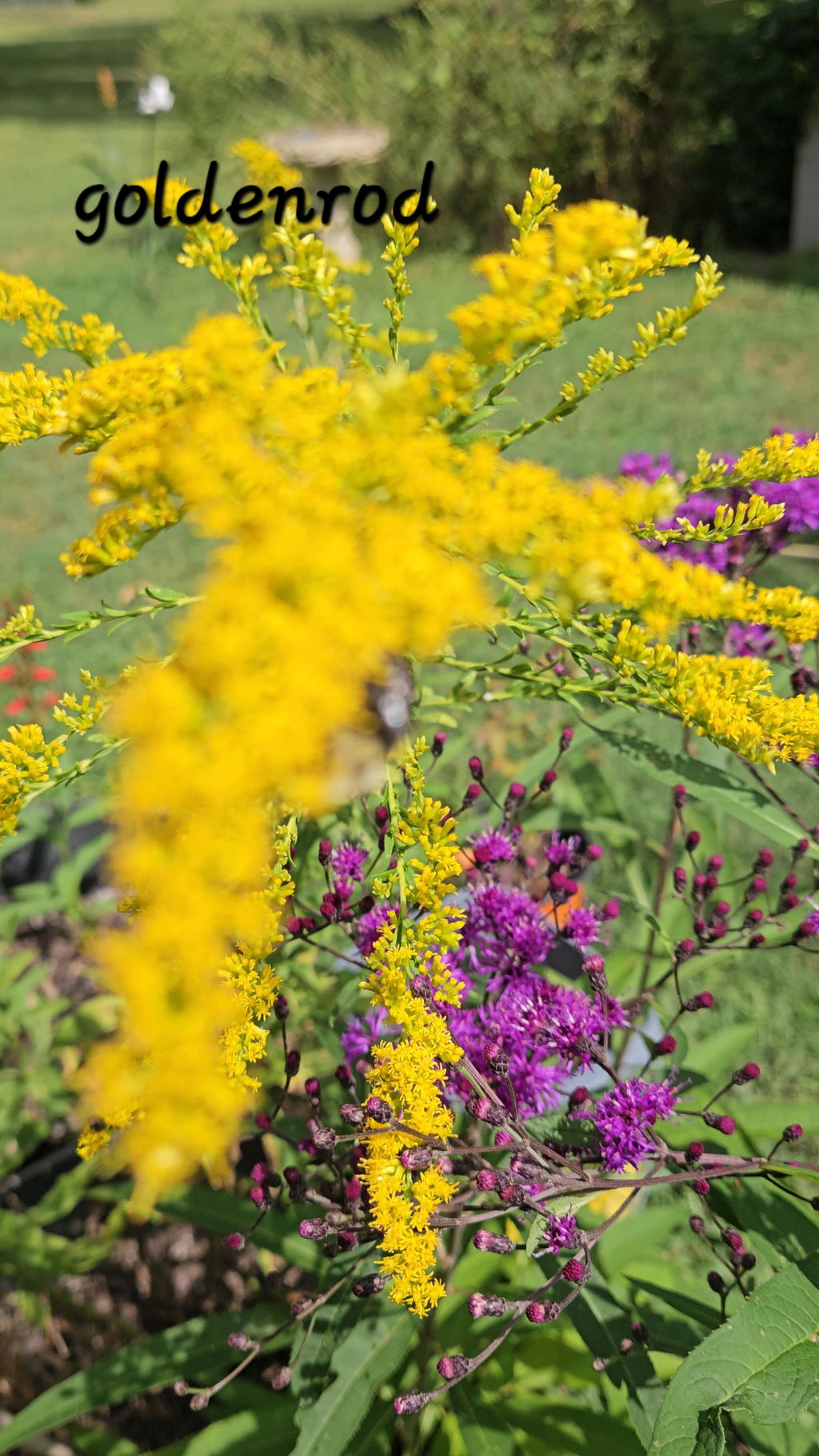
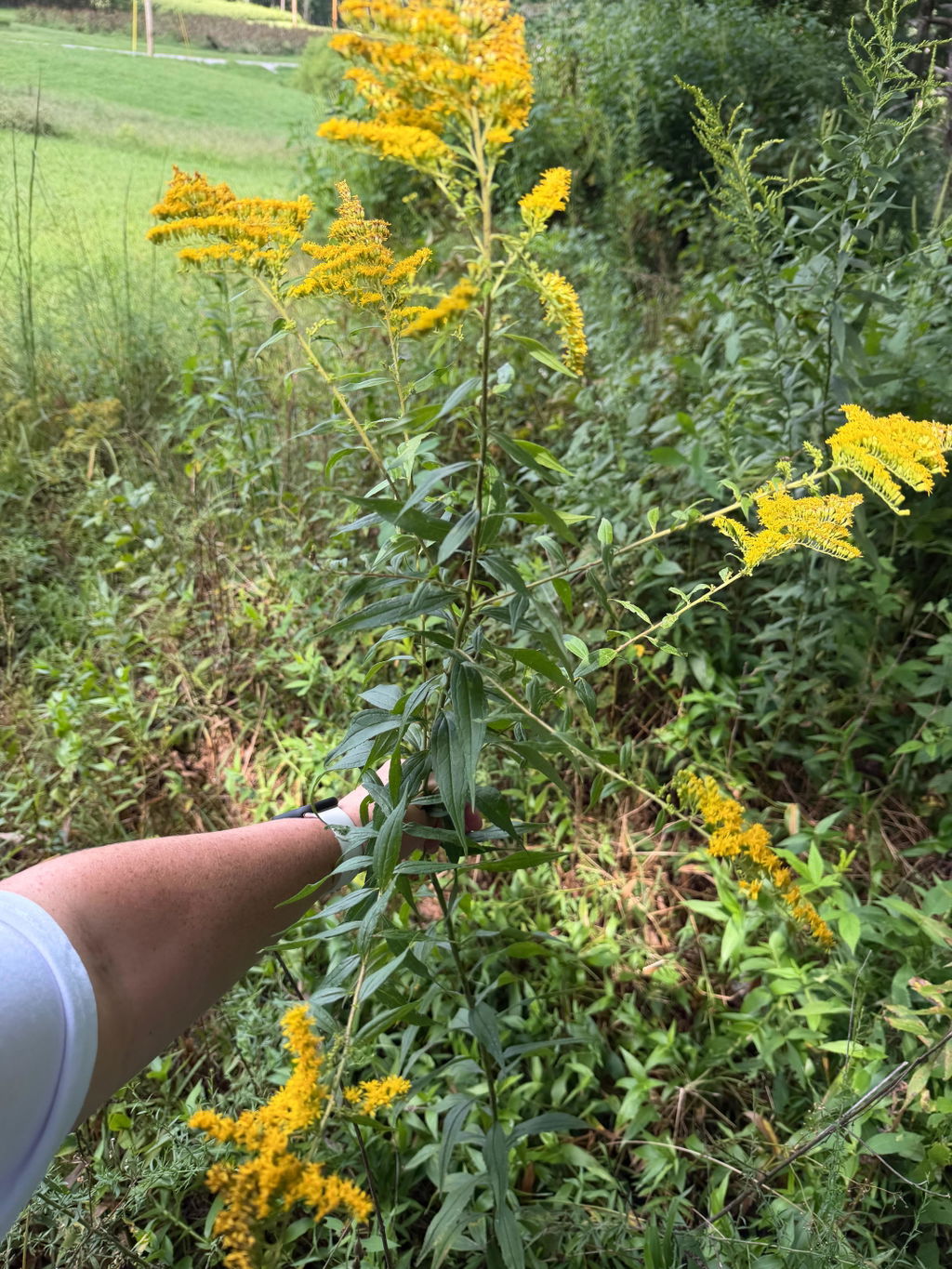
Goldenrod proving itself a worthy companion with its bright yellow blooms knife-bladed within acres of fields and meadows‚ this perennial herbaceous flower is the proud North American native of the Solidago genus‚ or the goldenrod‚ for the uninitiated․ Due to its appearance and hardiness‚ the flower was introduced to many places and is a common garden flower․ This perennial is a hardy plant that in late summer through fall produces a golden swath of flowers across the landscape that shines like gold‚ yet it is much more than a pretty plant․ In conclusion‚ goldenrod is a beautiful plant that has many advantages and is truly a treasure in the world of plants․
Goldenrod Has Herbal Uses
One of the most important ecological uses of goldenrod to humans is as a remedy for various ailments‚ having been used by customary herbalists for many centuries․ It has long been one of the staple medicines․ Goldenrod tea is made from its leaves and flowers․ As an anti-inflammatory‚ it can also help in relieving arthritis pain and allergy symptoms․ As a diuretic‚ it helps in flushing out the body‚ urinary clearance‚ and prevention of kidney stones․ In addition to its anti-inflammatory effects‚ the antioxidant activity of goldenrod acts as a potential preventive factor against diseases related to oxidative stress․ Its high antioxidant content reinforces the importance of natural supplements as part of a broader approach to maintaining good health‚ showing the versatility of this plant․
a Wildflower Perennial for Our Ecosystem
Beyond its medicinal use‚ goldenrod is an important plant in the ecosystem․ The flowers provide a food source for pollinators like bees and butterflies‚ which in turn pollinate different plants․ The hardy native wildflower also attracts these helpful insects‚ thus promoting biodiversity in the ecosystem․ Due to the dense root networks of goldenrod‚ their growth helps prevent soil erosion‚ improve soil conditions‚ and slow runoff․ In addition‚ goldenrod plays a major role in nutrient cycling and soil building‚ making it a candidate for sustainable agricultural and land use practices․ As climate change and habitat loss continue to threaten ecosystems around the world‚ the conservation and management of this and other native species may be even more important․
In many cultures‚ goldenrod has been used as an ancient herbal remedy
The Native Americans used goldenrod as a medicinal plant and dye․ It is also viewed as a symbol of healing and nourishment‚ sunshine‚ hope‚ and renewal because of its bright yellow flowers․ In other cultures‚ goldenrod represents good fortune and abundance‚ and is also a symbol of the autumn's arrival and the change from season to season and life to life․ Goldenrod has been described in literature and the visual arts with respect to the idea of beauty in change of seasons and the need to appreciate the evanescence of natural phenomena․ In this sense‚ beyond the description of goldenrod‚ it has also entered the narratives and images as an icon of the relationship between humankind and nature․
Perfect For Native Gardens, Goldenrod Plant is a Drought-Tolerant Native
As a plant‚ goldenrod can also provide habitat for other species‚ easing roosting or hunting spots for birds and small mammals‚ as well as locations for nest building․ Goldenrod can also act as a host to many caterpillars‚ including the common buckeye butterfly or the goldenrod soldier beetle․ The plant can be a substrate to healthy butterfly and insect populations‚ and as such‚ creates a habitat for species to interact with each other as well as help to create food webs․ The goldenrod patches also provide food for a large variety of insects and other organisms‚ from the small insects to the larger animals․ This helps provide greater diversity‚ as well as a balance between the plants and animals in the ecosystem․
Native Indians Used Goldenrod Plants
In conclusion‚ goldenrod is a multi-faceted and essential part of our ecosystem․ In addition to its aesthetic beauty and cultural importance‚ goldenrod provides numerous benefits to human health‚ and acts as a vital contributor to many other aspects of our environment․ This plant is a testament to the many ways in which nature can sustain and improve our lives․ It connects us to the past, the native Indians used it for dyes and medicine․ It reminds us of the richness that is all around us․ So as we ourselves and our ancestors and children look back on these gifts‚ let it not only be to admire those rare plants that offer us a view of the miraculous‚ but also to see in goldenrod an ally in human health and sustainability that we nurture and encourage‚ knowing that its golden blessing will extend beyond even our lifetime․