
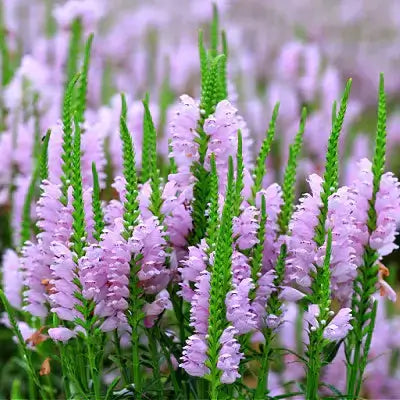
Environmental Advantages of Perennial Plants
Even as climate change and environmental degradation pose some of the biggest challenges of our time‚ one of the most effective responses is a sustainable lifestyle and the perennial plant is one of our best options․ We're all familiar with perennial plants as a beautiful landscape feature‚ yet there's a lot more to these hardy plants than meets the eye․ Understanding their function in soil health‚ water quality‚ biodiversity‚ and air quality‚ and ultimately their role in fostering a sustainable future‚ serves to appreciate their value․ This essay addresses environmental benefits of perennials and lists methods used to persuade people and communities to increase their use of these unique plants to help the environment․
For example‚ perennial plant species‚ due to the fact that they do not have to be replanted each year like annual plants‚ typically have a wider and deeper root system which helps with soil erosion․ The soil becomes tightly bound because of the roots‚ and what is called topsoil is formed․ The topsoil is the layer of soil that plants grow in․ Topsoil can be washed away by a rainstorm‚ or blown away by the wind․ It is also the layer of the Earth containing the most nutrients․ Less soil erosion also means cleaner water‚ because topsoil containing harmful materials is kept out of streams and rivers․ The more perennials there are in gardens and public spaces‚ the more soil will be retained․ This will protect not just the soil‚ but also our waters from deterioration․
Conserve Water With Perennials
Water conservation is another benefit of perennial plants‚ as they have deeper roots than annual plants and can thus access water that would be out of reach for annual roots․ This ability makes them ideal for areas where there is no or little irrigation or within areas that have periods of more arid conditions․ The perennials will pull moisture to deeper levels of soil‚ reducing the evaporation from the soil surface and keeping plants that grow around the roots well watered․ Perennial ground covers capture rainwater and slow the flow of water in surface runoff‚ allowing groundwater recharge․ Gradually establishing a perennial landscape helps reduce some of the water stressors and respond more effectively to climate change over time․
Perennials are also used in restoration projects for pollinator habitat‚ as many species of pollinator are in decline․ Coneflowers‚ bee balm‚ or milkweed are examples of perennials that provide nectar and pollen for insects such as bees and butterflies․ Mature plants‚ such as the ones we had in our garden‚ assume an important role in the ecosystem because they help to pollinate the fruits and vegetables we eat․ Having as many flowering perennials that can flower at any time during the growing season can provide a continuous source of food․ Creating perennial gardens has more benefits than just providing these pollinators with a new home․ Pollinators help plants to reproduce by the process of fertilization․ This means that perennial gardens with pollinator-friendly plants contribute to a better landscape on planet earth․
Promote Biodiversity with Perennials
Perennials can also promote biodiversity by attracting animals such as birds‚ insects‚ and small mammals to an ecosystem․ Diversity of its plant life provides biodiversity of niches and habitats for the animals of an ecosystem‚ allowing them to adapt and diversify into new forms․ Plant communities are therefore central to ecological balance‚ and when native perennial plants are allowed to flourish they will create a habitat in which native species can thrive․ These activities can help ecosystems thrive and adapt to a changing climate and the stress of insect pests and disease․ These acts of planting more perennials can help protect native plants and wildlife‚ and thereby help protect the planet itself from climate change and the various stresses it brings․
Perennials have many environmental effects‚ including improving air quality․ The metabolism of plants naturally removes carbon dioxide and releases oxygen‚ and thus is needed in order to replenish the atmosphere․ Perennial plants live longer and become denser and more strong as they age than annual plants․ Thus‚ perennial plants sequester a larger aggregate amount of carbon dioxide through their lives․ Like other plant types‚ perennial plants filter pollutants‚ such as removing dust and particulate matter harmful to human health‚ from the air․ Perennials planted in urban areas improve the aesthetic of a place‚ and have been studied for their ability to improve air quality․ Planting perennials in urban environments is often used as a tool to improve air pollution in cities as they create greener areas and cleaner air․
Perennial plants provide a wide array of ecosystem services‚ including reducing soil erosion‚ reducing water runoff‚ providing habitat for pollinators and other species‚ conserving biodiversity‚ and reducing air pollution․ Their long-term presence and stability in the environment makes them an important part of sustainable agriculture and gardening‚ and in addressing environmental issues․ There are many ways we‚ as individuals and as a community‚ can take a simple step to positively improve our planet․ By learning about and choosing to grow more types of perennials in our gardens and the public spaces we look after‚ we can help to make the world a better place for the future․ In a time when the earth needs our help‚ it is easy to see how the simple act of planting perennials can benefit both nature and ourselves․


