
Budget-Friendly Garden Design Inspirations
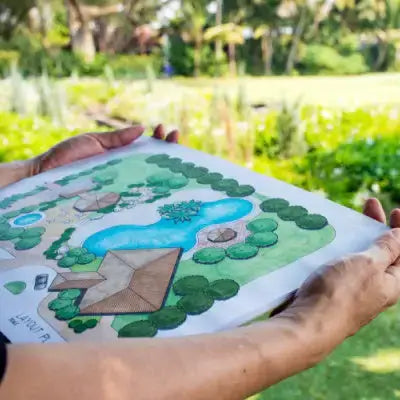
Gardens‚ however‚ need not be costly to create․ With some good design and effort‚ an attractive and inspiring garden can take shape even in a small plot․ However‚ at the beginning‚ many people do not have an idea of the cost of the plants‚ soil and ornamentation․ No‚ you can have a beautiful garden on a budget too․ In fact‚ at times working on a budget makes a good landscape which is quite beautiful and at the same time reflects your personality and character․ With a few clever tips and tricks up your sleeve‚ you can have a great garden for a lot less․ This is a collection of ideas to add interest and beauty for no or little cost‚ for beginners and seasoned plantspeople who wish to garden on a budget․
Container gardening is one of the best ways to get started with gardening without spending too much money․ You can get creative and start growing plants virtually anywhere‚ even if you have limited space like a balcony or a section of the patio or backyard․ This is the best part․ You can use old buckets‚ crates and tires as your container and save your money while making your garden project different․ All you need to do is to start with some good soil and your favorite herbs‚ vegetables or colorful flowers that grow in containers․ Container gardening allows a gardener to make the plantings attractive to visitors‚ and to move them into ideal sunlight for the plant in question‚ or for decorative purposes at gatherings and celebrations․ For the gardener‚ container gardening can make gardening more pleasurable‚ and provide flowers or crops without requiring a lot of open ground space or expensive‚ high-tech tools․
Recycling Ideas For Garden Design
Plants aren't the only things you can use for landscaping․ Some of the best decorations can be made for little or no money‚ you can even reuse or recycle items found in your home․ For example‚ painted rocks show you where to walk through your garden‚ and add color to the area․ Wind chimes can be made from older cutlery or glass bottles that are sitting outside in the yard and collecting dust․ If you've got a crafty streak‚ paint a piece of wood‚ and create a sign to go in your garden․ Silly names or inspirational quotes can both work well․ It's a small addition that will give your garden loads of character and shows you can be artistic for little or no cost․
Native plants‚ or plants that are native to the area‚ are another inexpensive option for gardener's creating a landscaping overhaul․ Because they are already acclimated to the area‚ they naturally require less water‚ care and maintenance than other plants․ By using these types of plants‚ your garden will be beautiful and inexpensive․ Birds‚ butterflies and helpful insects all add to the environmental value of a garden and to the overall interest and activity of the garden․ Purchasing native plants from local nurseries is often the most economical method of acquiring native plants․ Some local nurseries may have plant swaps or sales which keeps plants local which promotes biodiversity which allows plants that may belong to your region to flourish in your landscape․
Vertical gardening is a garden design concept used to create a large number of plants in a small space at home‚ in a yard or an urban setting․ It can include wall-mounted planters‚ hanging baskets‚ wall-mounted pots or a vertical wall garden trellis‚ which are all planted to allow growth in a narrow growing space․ Horizontal space can also be saved by growing climbing plants (such as beans or cucumbers) vertically․ This can free up space for other plants whilst providing a green background․ An inexpensive vertical garden can be made from wooden pallets or by using corrugated sheets and/ or used plastic water or soda bottles bought cheaply from a hardware store․ This will not only give you more varieties of plants to cultivate‚ but help to make your garden one of the focal points of your home․
Why Timing is Important When Gardening on a Budget
If money is an issue‚ timing can be important․ You may be able to grow more plants for less money if you plant your garden at the right times of year․ You may also start with different seasons of crops‚ such as growing lettuce and peas in the spring‚ suitable for cooler weather․ Tomatoes and peppers are summer crops‚ and by planting crops that are suitable for your growing season‚ you can have a range of crops throughout the year without elaborate setups and heating your greenhouse․ Plants grown in their natural season will also often be stronger‚ more pest-resistant‚ and will lead to a garden that is not only more satisfying and colorful‚ but would be a more cost-effective option for the gardener․
Ways to save money on your dream garden while still creating a beautiful space that reflects your personality and does not feel cheap include planting flowers in a container‚ upcycling garden art‚ planting native plants‚ growing a vertical garden‚ and planting seasonal flowers․ Each of these ideas encourages better practices and is a lovely teachable moment to really understand that gardening must be more about process and connection to nature‚ than about the financial toll․ In the end‚ it's possible for anyone with the right attitude‚ some imagination and a little ingenuity to create a garden that is beautiful‚ expressive of the person that built it and worth every penny․


