
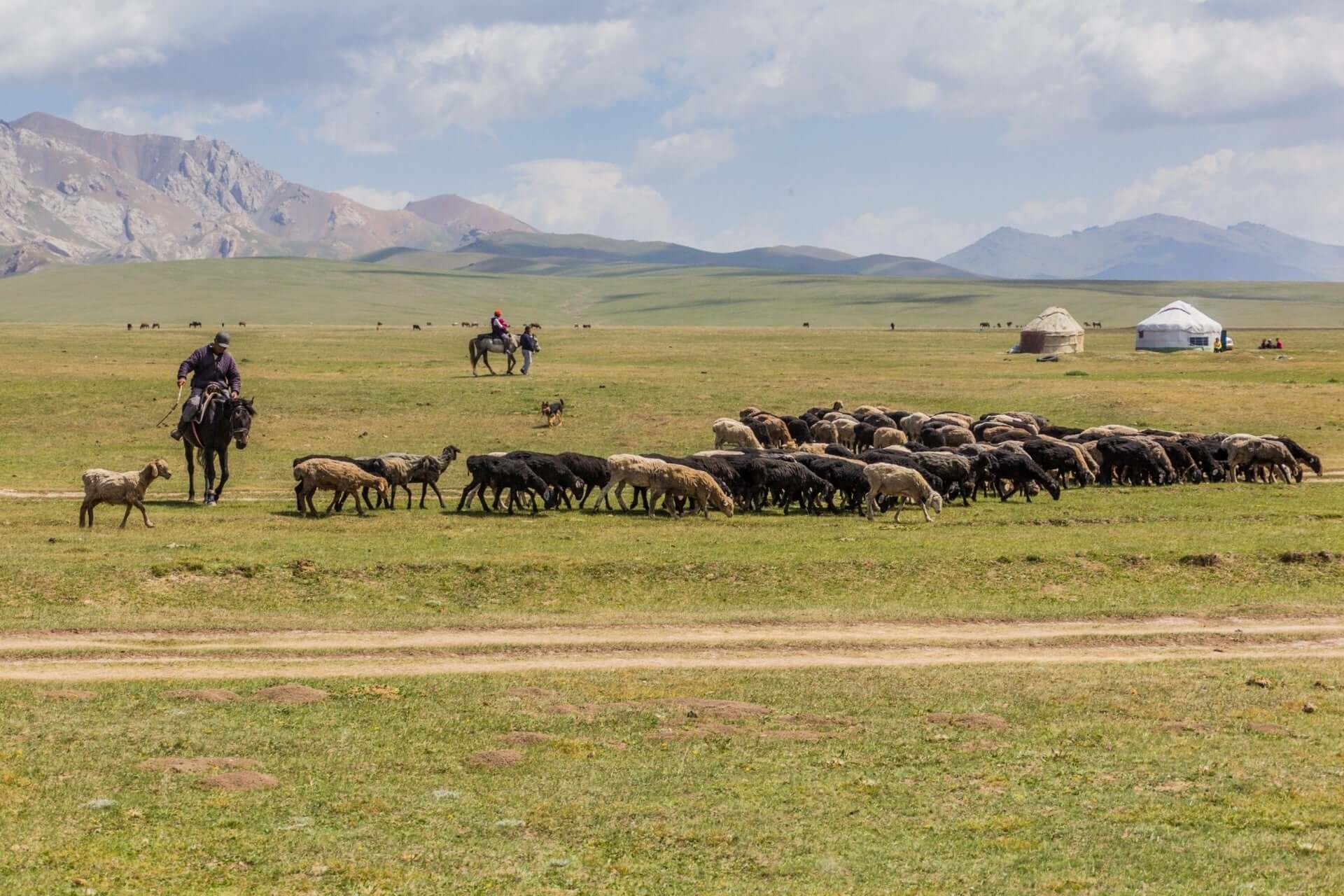
Nomadic herding has changed societies, habitats, and areas for hundreds of years. This old way of life is still meaningful today because it helps keep the land healthy, maintains natural feeding patterns and keeps the ecosystem in balance over time. A lot of people also look at how different plants help move herds and how some species help the land get back to normal. Innovative plant management, healthy feeding cycles and flexible paths that protect land for future seasons are what herders depend on as they move.
This guide will teach you how nomadic herding relates to caring for plants, maintaining balanced ecosystems and using land without harming it. You'll also learn how some plants suitable for livestock, like Elderberry and Bamboo, can help keep the land healthy and strong for animals on the move.
Understanding Nomadic Herding and Its Benefits
Although nomadic pastoralism is frequently associated with tradition, it is also a highly effective and enduring method of animal care. Herders don't stay in one place, they move their horses to new fields. This movement keeps the land from running out and lets fields grow back on their own. The herds don't stay in one place long enough to harm the crops, since they are always on the move. This lowers the danger of overgrazing.
As farmers move about, the earth gets an opportunity to restore its nutrients. This helps the grass absorb water more effectively and grow larger. Many experts believe this way of moving is similar to how wild animals feed, which helps plants grow back. Traveling communities, which are also known as mobile herding communities, still use these methods to keep farms safe and the land healthy.
Best Plants for Pastoral Grazing and Land Health
1. Bamboo
Bamboo grows quickly and has thick roots that strengthen the earth. This makes it perfect for areas that get grazed. Its tall structure offers natural shade and strength as the seasons change. When mobile herding communities move to new places, Bamboo helps prevent soil erosion and supports long-term herding practices that keep the land stable.
2. Elderberry
Elderberry is hardy and grows well in areas where animals graze, adding variety. Its deep roots hold the ground in place, as its leaves are the best places for animals to rest. It's good for systems run by herding groups that move around because the plant provides natural food and helps keep herding practices going even when routes change.
3. Switchgrass
Switchgrass is a wild grass that grows back fast and can handle drought well. Its steady diet helps animals through all four seasons. Switchgrass is one of the best herd-friendly plants for improving the health of the soil and allows areas that are used by mobile herding communities, especially in places where sustainable herding practices are essential.
4. Clover
N2 is added to the soil by clover, which helps other plants grow better. It has soft leaves that help keep the ground covered and are great for animals to eat. Clover is an excellent plant for herds and fields that want to stay healthy in places where roving herding groups use sustainable methods of grazing.
Strategies for Mobile Livestock Management
Taking care of animals on the move involves planning, awareness and flexibility. Herders have to consider the land's condition, the weather, the herd's size, and the feeding rounds. If you move too quickly, the land might not be used enough, and if you move too slowly, it might be overgrazed.
Pets can deal with changes in the weather if their paths are kept clear. A farmer may go to higher levels to find better grass when it's dry. They might choose flat land where grass grows quickly after rain. As best management, you should move food spots around so that no one area is hurt.
Since herds depend on nature, herders carefully monitor plant cycles. They keep track of which grasses are ready to be grazed, when shrubs are fully grown and how much new growth there is since their last visit. This cycle helps plants stay healthy and use resources more efficiently. These patterns have been passed down through generations in many mobile herding communities. They combine old ways of doing things with new ways of caring for the environment.
Planning Sustainable Herding Routes and Practices
It's hard to check out the best methods for moving groups. Herders try to meet their animals' requirements while also saving the land over time. Paths need places where animals can rest, water and stay safe. They also discuss how long different plants take to heal following grazing.
A big part of planning a route is picking paths where herd-friendly plants naturally grow well. It's best to use grasses, trees, and groundcovers that grow back quickly. Some farmers include areas where Bamboo grows because its roots help protect the soil from heavy foot traffic. Others think about plants like Elderberry, which give grazing lanes shape and variety. It is also essential to understand how the weather changes, the type of land and rainfall trends. Sustainable path planning keeps cows healthy and saves the land.
Long-Term Maintenance Tips for Grazed Landscapes
- If you take care of them, grazing grounds will survive for years. First, the timing. Overgrazing makes the plants in the pasture weaker. When you graze at the right times, the grass gets stronger and can support more animals. For long-term management, it's important to know when to let land rest.
- It also helps to plant grasses and plants that assist the soil heal. Elderberry and bamboo together make a wide range of plants and help keep soil from eroding. In this mix, grazing cycles become more stable.
- Protecting water sources is part of good landscape maintenance. To keep the banks from getting muddy and the water from getting dirty, herders keep their animals away from riversides. This is good for both the herd and the soil. Nomadic systems will work if herding is done in a way that is good for the environment.
Conclusion
Nomadic farming remains an important part of caring for the land, maintaining environmental balance and keeping animals healthy. Herders help prevent fields from being overused, support plant healing and support natural soil rhythms by moving cows across areas. Wise plant choices like Elderberry and Bamboo protect the land even further by adding structure to the soil, providing shade and promoting natural recovery. It is possible to protect animals and the environment through mobile farming if you plan carefully and move responsibly.
FAQ
What is nomadic herding?
Four Seasons
It is a way of life for farmers to move their herds from pasture to pasture to find new grass and prevent overgrazing.
Which plants are best for grazing herds?
The best plants are those that grow fast and are hardy. Some examples include bamboo, Elderberry and fast-growing natural grasses.
How do I plan mobile livestock routes?
Plan trails that let animals get to water, healthy plants, and areas where they may heal. The route should depend on the seasons and how plants grow.
Are Elderberry and Bamboo suitable for grazing areas?
Yes. Elderberry helps improve soil structure, and Bamboo keeps the ground stable and provides shade. Both of these plants are useful near grazing tracks.
How does nomadic herding benefit soil health?
Grazing
It keeps animals from overeating, spreads nutrients and gives the land time to heal, all of which make the soil stronger over time.
What are sustainable herding practices?
Some of them are moving feeding areas, keeping water sources safe, selecting plants that are good for cattle and adjusting the timing to match plant growth cycles.


