
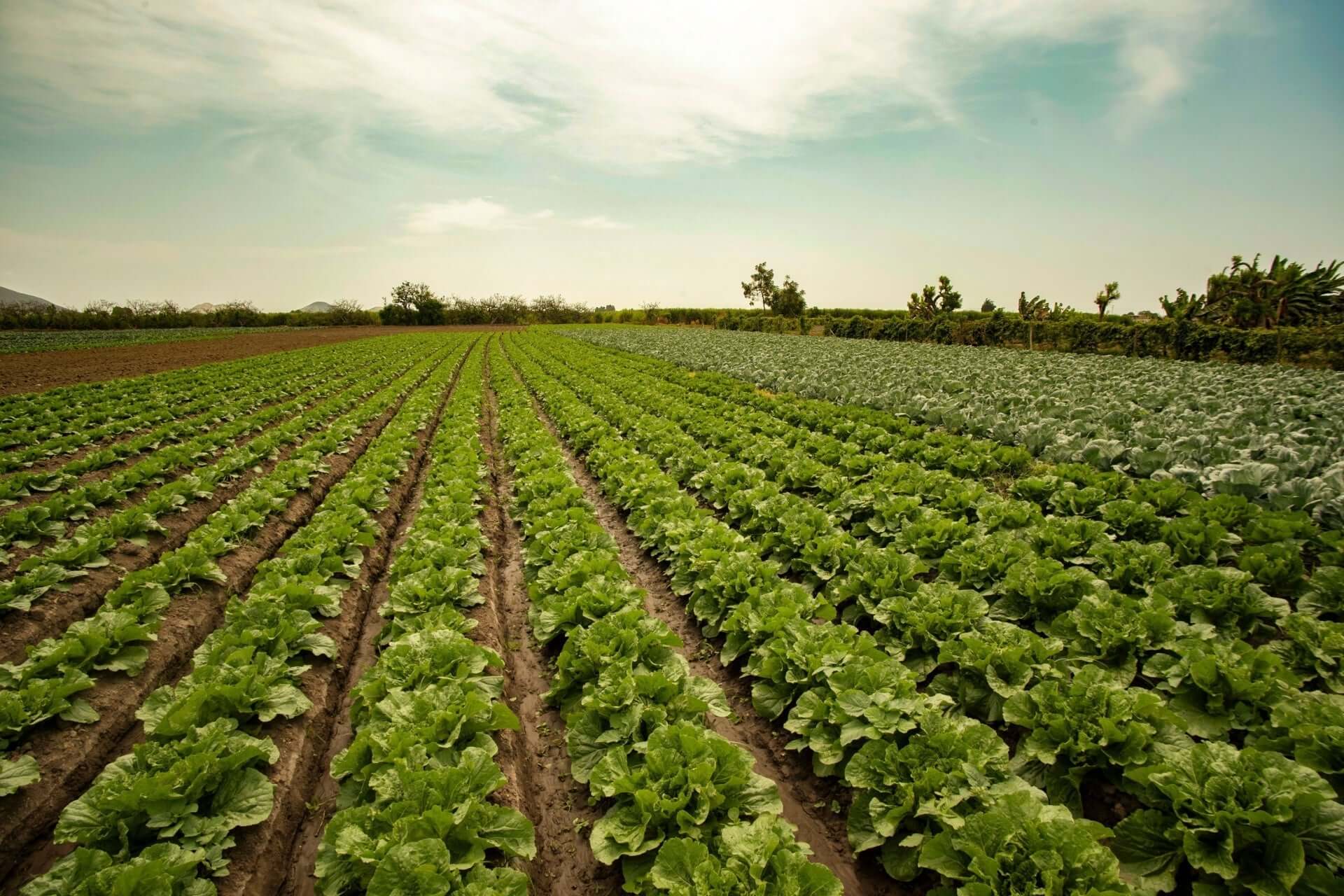
Extensive agriculture is a way for farmers to take care of large regions with fewer inputs and still maintain the land healthy. This way of farming works best on big plots of land with firm soil and steady yield. It works best when farmers pick the correct plants, take care of their land, and use simple yet successful agricultural methods.
How extensive agriculture works, which plants do best, and how to protect the soil for long-term success are all covered in this book. There are also sections on large-area plans and useful native plants, such as the Sourwood Tree, Creeping Phlox and Tree Moss.
Recognizing Extensive Agriculture and its Benefits
Extensive agriculture is based on managing large amounts of land with minimum resources. It helps farmers save money and time by letting nature take care of the land and crops. This method keeps farms healthy, stabilizes the land and allows for long-term output without using many chemicals.
Land Usage
Velvet
When people grow widely, they can use large places with less work and fewer resources. The method grows food over a large area, which gives the land more room to naturally heal itself. This set-up makes the process go very smoothly and doesn't put too much load on the land. Over time, it helps create better conditions that work well with large scale extensive farming methods while keeping upkeep simple and useful.
Stabilized the Ground
When you take extra care of your land, the soil will be better and healthier. Things move less and rest more, so biological matter builds up more slowly. This natural process also helps organisms that live in the dirt move nutrients around better. These benefits make the field stronger and less likely to wash away. By allowing the ground to heal itself through natural processes, these conditions over time build a basis for soil friendly agriculture.
Better Long-Term Productivity
In spread-out farming systems, yields tend to be slower but steadier over a long period of time. If you don't work the land too hard, plants grow naturally with thicker roots that can reach nutrients better. Farmers get more consistent crops over time, especially when they use sustainable farming practices that keep the land healthy and the environment in their fields healthy.
Keeping natural resources safe
By letting natural processes support plant growth, this method saves water, energy and chemicals. Farmers use fewer tools and less poison, which is better for the earth. This way of managing fields helps them keep water better and build natural production. It's good for your health and saves you money in the long run. Farmers can also use this method in areas that are being built up slowly and with the help of extensive farming methods that protect the earth and plants.
Decrease environmental loss
Many gardeners keep the land better and less disturbed by reducing heavy tilling and chemical use. Wildlife areas stay steadier and natural plant growth helps keep the ground from washing away nutrients or eroding. This lighter touch helps different kinds of plants and animals, keeps carbon from being released into the atmosphere and strengthens the natural processes that keep fields healthy. By using gentle farming practices in wide open spaces, these benefits contribute to a more balanced farming environment.
Choosing the Right Plants for Extensive Farming
Now prevent soil erosion, groundcovers like Creeping Phlox keep broad areas. Their roots extend slowly, providing natural help without effort. They grow in extensive agriculture, where plants need few inputs and a natural equilibrium.
1. Mosses hold onto water
Fields stay cool and damp, even in dry weather, with Tree Moss. They wrap the ground with velvet to nourish soil-dwelling plants and animals and transmit nutrients. In soil-friendly farming, moisture and thorough maintenance are important for long-term success.
2. Hardy Structure Trees
The Sourwood Tree shapes and also cares for large areas. Deep roots support and shade the earth. These features improve sustainable farming methods by decreasing soil stress, nurturing biodiversity and maintaining healthy conditions over large areas.
3. Shrubs with Low care
Strong plants are good for big areas because they don't need much care and can be used in large-scale farming methods. These plants are good for your yard because they need less water, protect you from wind, and make organic matter when their leaves fall off. Infertility never goes away on its own.
4. Deep-Rooting Perennials
Perennial plants with deep roots keep the soil healthy and help the field grow. They pull nutrients up from lower levels and create pathways for air and water. These features help with gentle farming, mostly through a process that slowly makes the earth healthier through natural cycles.
Soil Management Tips for Large-Scale Agriculture
- Wide-field strategies require a healthy land. Wide gardening uses vey less fertilizer, so the land works itself.
- Adding compost makes the organic waste pile larger and keeps many different microorganisms alive.
- Farmers can also rotate cover crops to protect the soil and prevent it from washing away. These plants work with soil organisms to prevent nutrients from being lost.
Sustainable farming requires balance, so don't overwork the soil. Tilling only when necessary protects the structure and promotes fertility.
Sustainable Practices for Extensive Crop Production
Large-scale systems prosper when they use ways that preserve the land rather than deplete it. Farmers who follow soil-friendly agricultural routines report better fields and fewer breakdowns over time.
- Putting helpful plants around the edges of areas is an easy way to do this. Because it keeps water in, tree moss grows really well on hills or along edges.
- Trees like the Sourwood Tree help make scenery more interesting and slow down the wind in large areas. They also help insects, which naturally makes crops healthier.
- These plans help the land maintain balanced and the fields stay strong for a long time.
Long-Term Maintenance Tips for Productive Fields
Farmers must keep large growing areas stable once they are set up. Long-term care is important for crops.
- Caring for the soil moisture, it promises regular growth and development.
- You can add some sturdy plants lowers tension by providing shade and protection.
- The Sourwood Tree can also be used by farmers to protect wildlife and insects by making long-term refuge patches.
- Adding a few inches of compost every once in a while, makes the soil healthy without using chemicals. This helps organic matter remain in place and increases the variety of microbes over time.
Conclusion
Farmers can practice more extensive farming by selecting plants like hardy plants, paying attention to soil health and taking gentle care of the land. For long-term security and natural yields, this farming method works best. Tree Moss, Creeping Phlox and the Sourwood Tree all help improve soil structure, prevent soil erosion and support healthy farming practices across large areas.
Farmers can make fields that produce crops and stay healthy for years by following smart routines, adding organic matter and giving them equal care.
FAQ
What is extensive agriculture?
This way of growing doesn't require and use many resources. It works with large amounts of land, natural processes and right care.
Which crops are best for low-input farming?
Hardy plants, plants with deep roots or groundcovers that protect the soil, like Creeping Phlox or Tree Moss, do well.
How do I manage soil in large-scale farms?
Sourwood Tree
Creeping Phlox or Tree Perennials
For healthy roots and a diverse array of microbes, add soil, use cover crops, keep organic matter levels high and don't till too deeply.
Are sourwood trees suitable for extensive agriculture?
Sourwood trees do well in large and open spaces that help keep animals and the soil in balance.
What are sustainable practices for large-scale farming?
Some of these include using organic matter, planting border plants that improve soil health, using fewer chemicals, and choosing plants that can withstand harsh conditions.
How can I improve soil health in extensive farming systems?
You can add natural compost, keep the soil moist all the time, grow groundcovers, or help soil animals with proper land care.


