
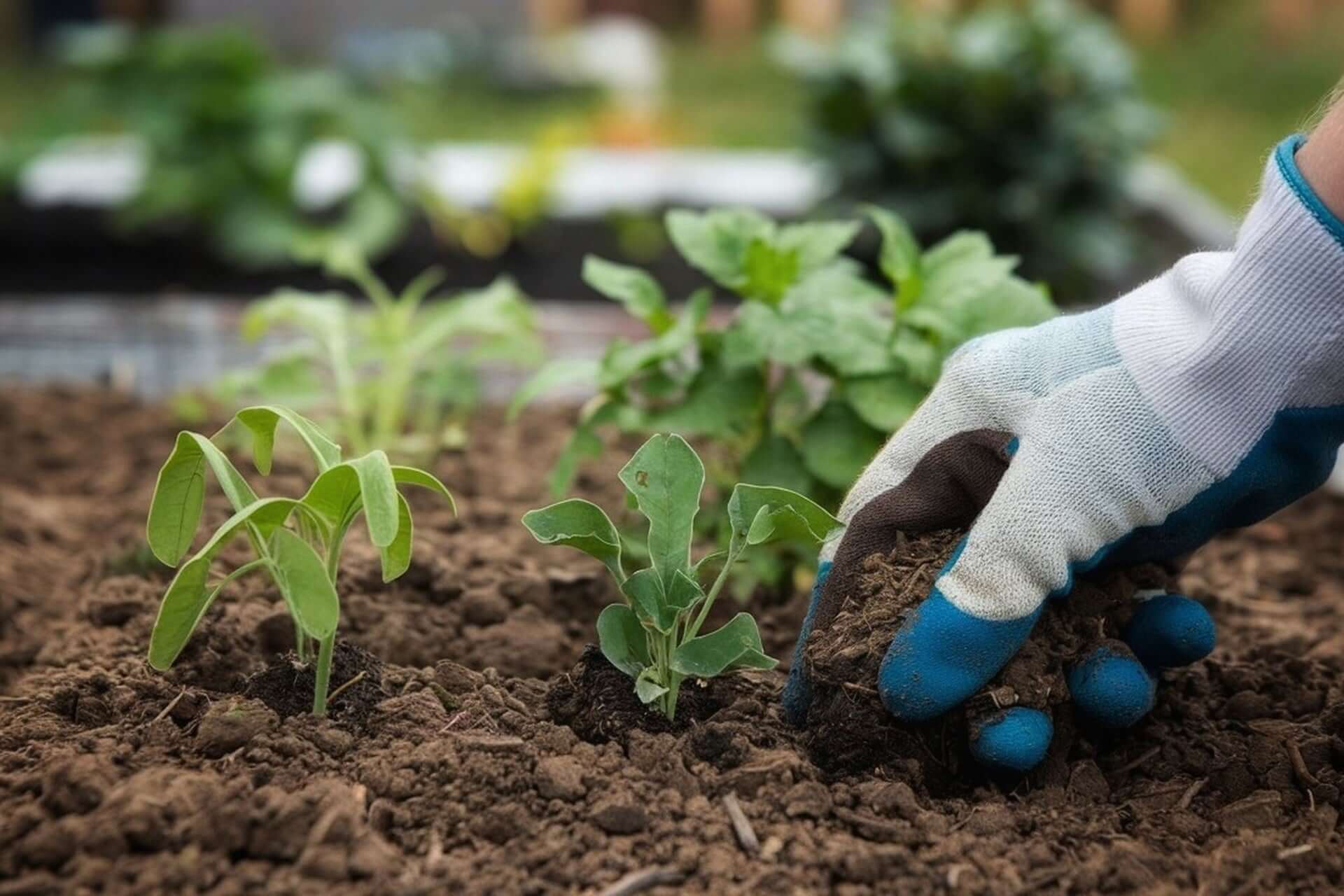
Growing plants is only one part of making a garden that is good for the environment. Regenerative gardening and sustainable gardening both focus on methods that restore the soil, help wildlife and save resources. Home gardeners can make a difference by using native plants, using fewer chemicals, saving water and encouraging biodiversity.
This guide will talk about choosing plants that are good for the environment, taking care of the soil, saving water and other useful gardening tips to make the world a better place.
The Importance of Sustainable Gardening
The goal of sustainable gardening is to create beautiful, useful gardens while protecting natural resources. It stresses:
- Improving the health of soil organisms and microbial diversity for healthy growth.
- Lowering chemical inputs to protect wildlife and water.
- Helping pollinators and other helpful animals.
Gardeners can make their gardens more productive in the long term by using regenerative gardening techniques to improve the soil over time. Adding compost and other organic matter to the soil makes a garden that can handle drought and pests.
Advice for people who are new:
- Begin with a small garden and add to it as you learn how to garden in a way that is good for the environment.
- Use compost and mulch to improve the soil.
- Watch how your garden's natural cycles affect the root health and the flowers.
Choosing Native and Eco Friendly Plants
Choosing native plants for a sustainable garden will help it grow naturally with little help from you. Native plants are used to the weather and soil in their area, which helps with sustainable gardening practices.
-
Indian Pink and other plants that attract pollinators are easy to care for
- Milkweed supports butterflies and other helpful insects
- Wild Geranium adds colour and makes the soil better
Steps you can take:
- Look into native plants that grow well in your area
- Mix flowering plants with shrubs to help pollinators
- Put plants that need the same amount of water together to save water
Water Conservation and Soil Health Practices
In sustainable gardening, it's very important to manage water well. Using the right regenerative gardening techniques helps plants grow and uses less water.
Some of the things you can do are:
- Set up drip irrigation to water specific areas.
- Putting down mulch to keep the soil moist and stop it from eroding.
- Adding compost and organic matter to improve the microbial diversity and root health.
Soil that is healthy holds water longer and helps plants grow strong and cover crops can help with nutrient cycling and lower runoff.
Tips for beginners
- Water early in the morning or late at night to keep the water from evaporating.
- Check the moisture level of the soil often to make sure you don't water too much or too little.
- Change the cover crops every season to make the soil better and more fertile.
Reducing Chemicals and Promoting Biodiversity
Cutting back on chemicals is good for pollinators, helpful insects, and the quality of the soil. Sustainable gardens must have regenerative planting that helps the soil recover and natural pest control methods.
Some key strategies are
- Instead of synthetic chemicals, use compost and organic fertilizers.
- Getting ladybugs and other predators to help keep pests in check.
- Planting different types of plants will attract different types of animals.
If you use fewer chemicals, your garden will become a healthy environment that helps pollinators and flowers bloom.
Helpful tips:
- Plant flowery borders to attract good bugs.
- Planting plants that work well together can keep pests away naturally.
- When you can, stay clear from chemical fertilizers and pesticides.
Step by Step Guide to Creating an Eco Conscious Garden
To make a garden that lasts, you need to plan ahead and take care of it all the time:
-
Preparing the soil: Add compost and organic matter to the beds to make the soil healthy for organisms.
-
Choose native plants: Like Wild Geranium, Indian Pink and Milkweed.
-
Water management: Use drip systems and a lot of mulch to keep water in the ground.
-
Biodiversity: To help pollinators and good bugs, plant a mix of flowers, shrubs and groundcover.
-
Care: Change crops, keep an eye on the health of the soil and prune at the right times.
These steps use regenerative gardening techniques to bring the soil back to life and keep the garden productive for a long time.
In conclusion
Regenerative gardening and sustainable gardening is good for the environment and for the gardeners it lets them help the planet while still having beautiful, productive gardens. Using native plants, saving water, using fewer chemicals and encouraging biodiversity all help make an ecosystem that can survive. Indian Pink, Milkweed and Wild Geranium are all great plants for making gardens that are good for the environment and help you grow food at home.
FAQs
What is sustainable gardening and why is it important?
Sustainable gardening uses fewer resources to help wildlife and makes the soil healthier all of which help the garden stay productive over time.
How do native plants benefit the environment?
They need less water, bring in pollinators, help soil organisms and help local ecosystems.
How to do a regenerative garden?
To make the soil more fertile and diverse, use compost, cover crops, native plants and organic fertilisers.
How can beginners start a sustainable garden?
Begin with a small area and use native plants to add compost to the soil and stay away from chemicals.
What are the 5 principles of regenerative farming?
Focus on the health of the soil and the diversity of plants and animals by saving water and using as few chemicals as possible and rotating crops.
What is regenerative planting?
It is planting in ways that help the soil promote good organisms and make ecosystems healthier.
How do plants help maintain ecological balance?
Plants help pollinators make the soil stronger and stop erosion to give beneficial insects places to live.


