
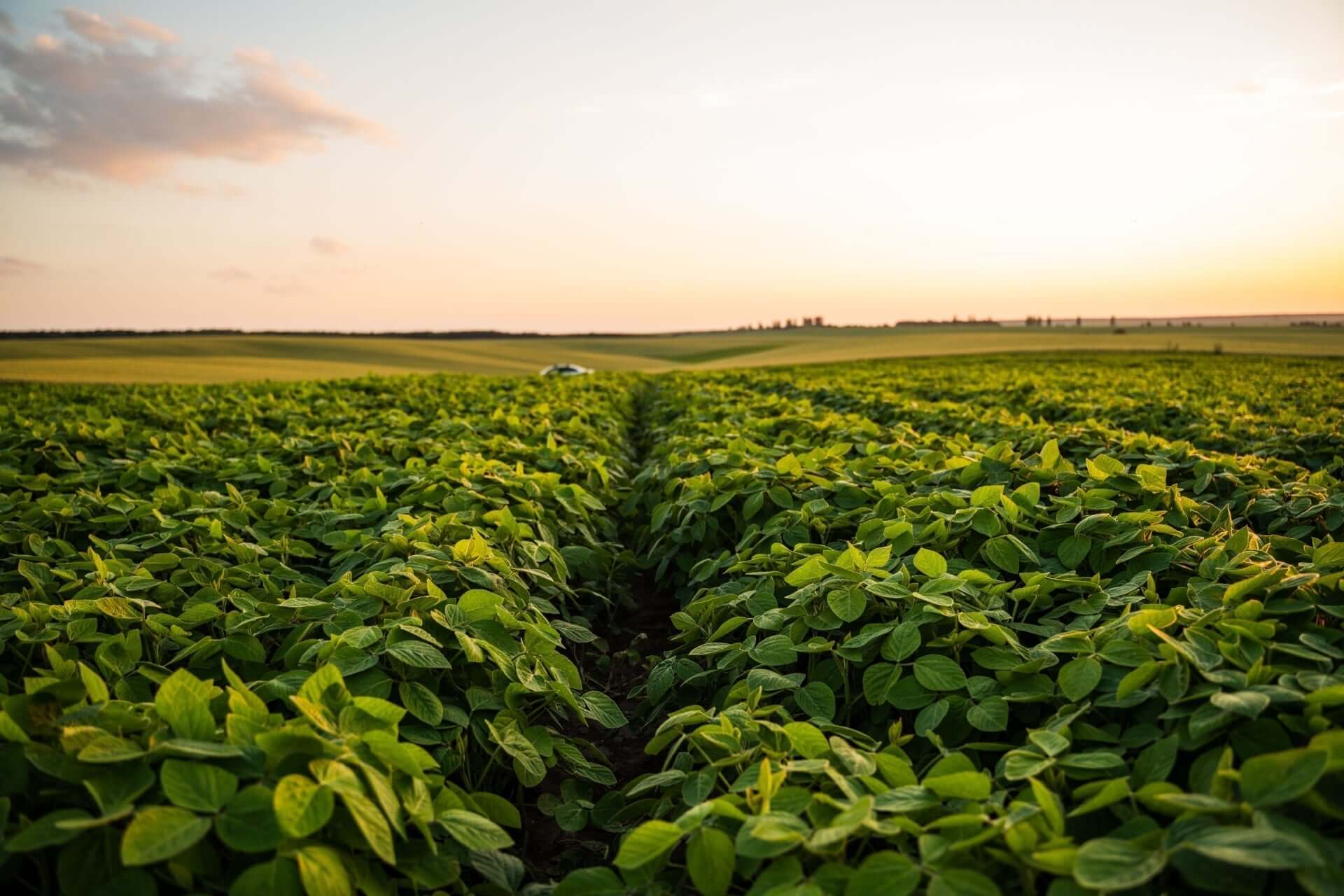
Increasing the size of your yard does not always mean making it more productive as smart farming techniques help gardeners grow more food while keeping the land healthy this is what intensive agriculture is all about. You can get high yields without hurting the environment if you plan carefully and improve the soils quality by putting crops closely together and manage your crops well.
This guide will help you plan your garden and prepare the soil and plant densely. It will also cover soil management and upkeep techniques, so you can get the most out of every part of your garden.
What Intensive Agriculture Means for Modern Gardeners?
Intensive agriculture is about maximizing output from a given space using efficient techniques rather than expanding land.
It encourages
- Spacing plants out in the best way to cut down on competition.
- Improving soil organisms and microbial diversity for healthy crops.
- Selecting crops that support long term root health.
For modern gardeners this method allows growing more vegetables with fruits and herbs while maintaining pollinator activity in your garden. Adding plants like Wild Ginger increases biodiversity and helps good insects and fills space well.
Planning Your Garden for High Yield Planting
Proper planning is the foundation of intensive subsistence agriculture at home so consider
-
Bed layout - Rectangular raised or tiered beds maximize growing area.
-
Sunlight - For better yields group crops based on how much light they need.
Fruit trees
- Water access - Plan irrigation systems to make sure the soil stays hydrated.
Adding organic matter such as compost supports sustainable crop production and enhances root health. Mulching conserves moisture and reduces weed growth and keeps soil temperatures stable.
Steps you can take:
- Plan your garden with high-density planting in mind by spacing out the plants.
- Mix compost and organic materials into the top 4 to 6 inches of soil.
- To keep the soil moist, set up drip irrigation or soaker hoses.
Choosing Crops That Thrive in Intensive Systems
Some crops respond better to intensive planting. Look for
- Plants that grow swiftly and can be picked more than once a season.
- Plants that help the soil stay healthy and keep bugs away.
- Plants that are tough enough to handle illnesses and do well in tight areas.
Fruits like Persimmon Trees are great for home intensive systems because they give you a lot of fruit over time. When grown together, leafy greens, herbs and root vegetables are great for sustainable farming practices in a way that doesn't harm the environment.
Tips for beginners
- Begin with crops that are easy to grow, like lettuce, radishes, spinach and chard.
- To stop nutrients from competing with each other, plant crops with both deep and shallow roots.
- Change the order of seasonal crops to keep the soil fertile and help the flowering cycle.
Step by Step Intensive Planting Guide
To use intensive planting, you need to follow a plan:
-
Step 1 - Add compost and other organic matter to the soil to make it richer.
-
Step 2 - Plan how far apart to plant your crops so they get the most sunlight, air and nutrients.
-
Step 3 - Use intercropping to plant species that go well together.
Keeping an eye on pollinator activity makes sure that flowering cycles are healthy, which boosts yield. When flowers and herbs are planted in the right places, dense planting can bring in helpful bugs.
Advice for beginners:
- Plant at different times so that you can keep harvesting all season long.
- Regularly trim plants to keep air flowing and keep pests at bay.
- Check the moisture level in the soil every day and water the plants as needed for their health.
Managing Overcrowding, Pests Soil Stress
If not done right, high density planting can cause stress. Pay attention to:
-
Airflow - To stop fungi from growing, cut back the lower leaves and space out the taller plants.
-
Pest control - Don't use chemicals; instead, use natural deterrents and companion planting.
Adding compost and mulch to the soil on a regular basis will keep the nutrients in the soil. Dense systems may need extra care to keep roots from getting stressed and nutrients from running out. Add cover crops to your garden to improve the soil organisms and keep the microbial diversity in it, which is good for the long term health of your garden.
Things you can do:
- Check plants once a week for signs of pests or disease
- Change the crops around to keep the nutrients in the soil and lower the risk of soil borne diseases
- Flowering plants can attract helpful insects that keep pollinators activity alive
Conclusion
Intensive agriculture helps gardeners grow food more efficiently also improves soil health and supports sustainable crop production. To get a lot of crops you need to space them out well and take care of the soil and choose the right crops. Persimmon Trees and Wild Ginger are two plants that are great for gardens that are productive and long lasting.
FAQs
What is intensive agriculture in home gardening?
It gets the most out of small spaces by using smart farming methods, careful spacing and soil management techniques.
How can I maximize crop yield in small spaces?
Planting close together and planting different crops together by adding compost and watering regularly will help you grow more per square foot.
Which plants grow best using intensive methods?
For intensive systems leafy greens, root vegetables, herbs, wild ginger and persimmon trees are all great choices.
How do I manage soil health in intensive planting?
Modern Agriculture
To keep the soil rich in nutrients, add compost, rotate crops, mulch often and keep an eye on the diversity of microbes.
What watering schedule works for high yield gardens?
To keep roots healthy and avoid stress use drip irrigation or water them shallowly often
Is intensive agriculture sustainable long term?
Yes intensive gardening can be productive and sustainable if you take good care of the soil by rotating your crops and using organic farming techniques.


