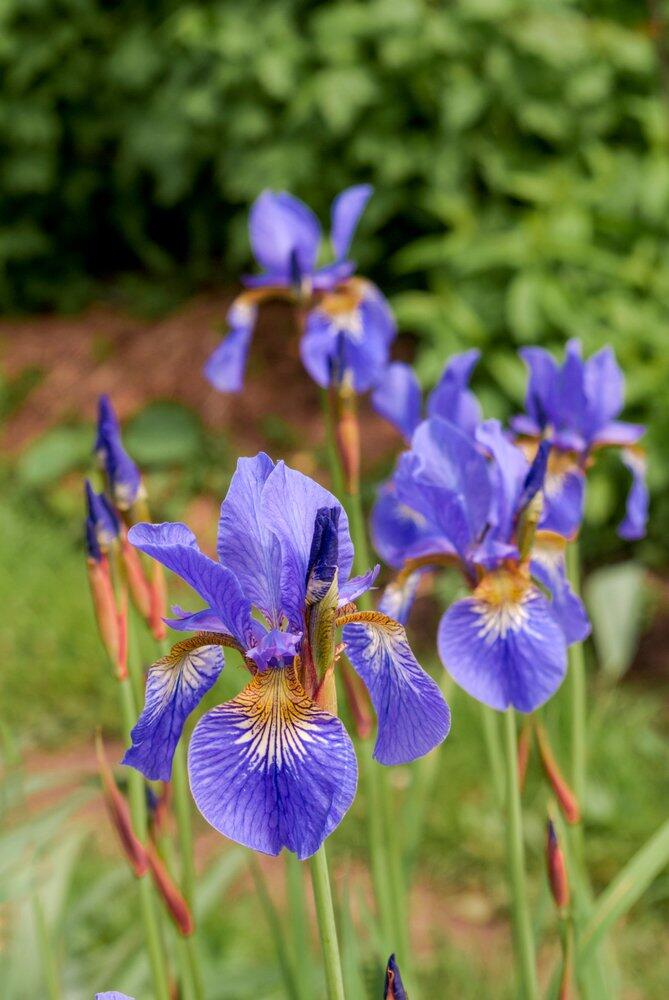
Iris Cristata Is a Prized Low Growing Perennial
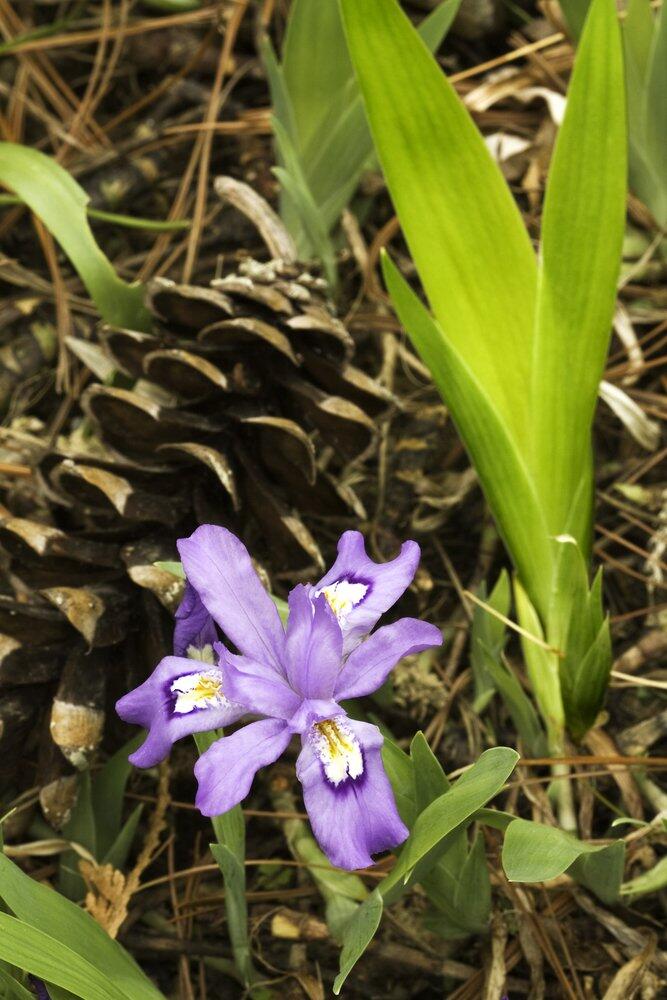
The iris cristata is a low-growing perennial only reaching 6-9 in in height. Their flowers are a striking violet-blue, with a purple outline and a bright yellow splotch along the tongue. They are prolific flowerers and will produce multiple blooms measuring 1.5 in across. In the right environment, these fast-growing plants and will quickly form robust colonies.
The Iris cristata gets its name from the crested falls (petal-like sepals) of the flower. The crest acts like a landing strip for the pollinators, directing them directly into the stamens and pistil. These flowers are particularly appealing to pollinators and are easily fertilized.
These perennials are versatile plants that can be grown using a range of cultivation methods. Plant in a container garden for your patio, or in a border garden along a wall or foot path. This native perennial is a delightful addition to the garden.

Plant Details - Iris Cristata
Family: Iridaceae
Hardiness Zones: 3 to 9
Light Requirement: Partial shade to Full shade
Water Needs: Moderate
Height: 3 to 6 in
Spread: 6 to 12 in
Growth Rate: Moderate
Bloom Time: April to May
Flower Color: Pale blue, lilac, or lavender
Wildlife Value: Attractive to pollinators
Landscape Uses and Maintenance - Iris Cristata
Dwarf Crested Iris grow best in an area that provides light shading and will not thrive in full sun. They prefer soils of moist, rich humus and not like to have wet feet, so make sure to plant them in well-drained soil. They are deer resistant and do not have serious pest or disease problems; however do they can be susceptible to slugs and snails, so keep your eyes peeled.
To keep them healthy and prepare them for the next year, remove spent flower stems and dead foliage in the autumn. They are rhizomatous and are easily propagated by division.
Noteworthy Characteristics of Iris Cristata
Iris Cristata Attracts pollinators, grows well in dry to moist soils, showy flowers.
Whether you plant this adorably compact, yet showy iris among other perennials in your garden or within a naturalized woodland space, it is sure to be a favorite that you will enjoy watching bloom year after year. Shop for Dwarf Crested Iris plants online at TN Nursery. For 68 years, we have served the landscaping industry and homeowners with our selection of specimen plants.

Customer Reviews
Every plant was robust and carefully packaged. These iris plants are already thriving and bringing a touch of elegance to my shaded pathways.
I’m amazed at how quickly my Dwarf Crested Iris adapted. They add natural woodland beauty with their soft purple flowers and healthy green leaves.
The Dwarf Crested Iris arrived in excellent condition, and within weeks they were already blooming. TN Nursery truly delivers top-notch plants.
These Dwarf Crested Iris are a gardener’s dream—low-growing, hardy, and endlessly attractive. TN Nursery impressed me with their quality and service.
My Dwarf Crested Iris from TN Nursery is flourishing in my shaded garden. The foliage is rich and the blooms are delicate yet bold—exactly what I hoped for.
How big do iris cristata get?
Dwarf crested iris typically grow 6 to 8 inches tall with a similar spread. Their small size makes them perfect for borders, rock gardens, and shaded areas. They’re easy to grow and reward you with stunning spring blooms in shades of blue and violet.
Do Iris Cristata like sun or shade?
Dwarf crested iris grow best in partial shade but can tolerate some sun. They prefer wet, well-drained soil and flourish in woodland or lightly shaded garden areas. Their low-maintenance nature makes them easy and reliable bloomers each spring.
How to care for the iris cristata ?
To care for dwarf crested iris, plant them in well-drained soil and provide partial shade. Water them regularly until they are established. Be sure to pluck old blooms to promote healthy growth and maintain a tidy appearance. Once they are settled in, these plants require minimal care and will return beautifully each spring.
Are small iris flowers easy to grow?
Yes. Small iris flowers like the dwarf crested iris and other tiny iris varieties grow easily in partial shade and moist soil. Once planted, they need little care and come back each spring.
Can mini purple iris grow indoors?
They prefer outdoor conditions, but mini purple iris can grow indoors near a bright window if kept moist and cool.
Is the dwarf crested iris a perennial iris?
Yes. It’s a perennial iris that blooms every spring. After flowering, the leaves stay green through early summer before going dormant.
Exposure
Iris Cristata thrives in partial to full shade. It prefers dappled sunlight or filtered light, making it ideal for woodland gardens or shaded areas. Direct sunlight can be too harsh, causing stress and reducing its vibrant blooms.
Height at Maturity
Under 12"
Usage
Wetland Plant
Shipped As
Bare-root
Ships
USPS
Planting Zones
3-9
How To Grow
How to Grow and Care for Bare Root Perennials, Tubers, and Bulbs
Bare root perennials, tubers, and bulbs are an easy and economical way to jumpstart your garden with lasting beauty. These dormant plants should be planted in early spring or fall while the soil is cool and workable. Before planting, soak bare roots in water for 1–2 hours to rehydrate them. Choose a location based on the plant’s light needs—most flowering types prefer full sun, while others thrive in partial shade.
For bare root perennials, dig a shallow hole and spread the roots out naturally, ensuring the crown is level with the soil surface. For tubers and bulbs, plant with the pointed side facing up at a depth about two to three times their height. Cover with soil, gently press down, and water thoroughly.
Keep soil consistently moist (not soggy) until new growth appears. Add mulch to retain moisture and suppress weeds, but avoid covering the crown or bulb tops. Once established, these plants require little maintenance—just seasonal watering, occasional dividing, and deadheading or pruning as needed. With proper care, they’ll return and thrive year after year.