
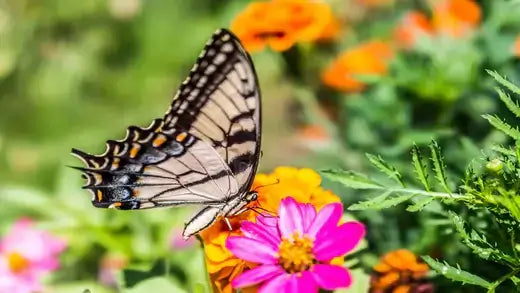
Butterfly gardens are not merely pretty outdoor settings but intended landscapes that are meant to help pollinators and reinforce the ecosystem of the neighborhood. A properly designed butterfly-friendly garden offers enough sources of nectar, host plants, and shelter to the butterflies in their life cycles. These gardens are important to biodiversity, as they serve to maintain and sustain the pollination populations, as well as to provide the color and movement to your yard.
At TN Nursery, we have assisted thousands of gardeners in building successful pollination habitats with native and adapted plants. This guide provides practical knowledge on how to grow a butterfly garden, which will result in benefiting wildlife and your scenery.
What Is a Butterfly Garden, and Why Does It Matter?
A butterfly garden is a carefully planned area that contains plants that cater to and support butterflies at different stages of their life cycle. These spaces are not like the traditional ornamental gardens but feature ecological functionality coupled with aesthetics. They also have flowers that contain nectar for the adult butterflies and plants used by the caterpillars to feed and develop.
Butterfly gardens are not only important ecologically because of the butterflies. These gardens sustain whole food webs—birds take out caterpillars, bees revisit the same flowers, and useful insects develop populations. The U.S. Fish and Wildlife Service believes that pollinator gardens can balance habitat loss, which endangers the populations of butterflies throughout the country.
ReturnAnother way of being in touch with nature is through the creation of a butterfly-friendly garden. You will see wonderful things like kingfish laying eggs on the milkweed, swallowtails sitting with open wings, and dozens of species visiting your flowers all through the season.
The Importance and Attributes of Butterfly Gardens
Butterfly gardens provide various advantages to the environment and the people who own them. These areas maintain the diminishing numbers of pollinators by having a dependable food supply and offering host plants needed by butterflies to reproduce. They form paths that link discontinuous natural habitats and increase soil health with a wide range of root systems and organic substances.
The butterfly garden plants provide attractive visual and sensory qualities to their owners in addition to ecological values:
-
Zone 4
- Blooming all spring and fall
Zone 4
- Wonderful movement and color as butterflies visit
- Sweet flowers with several species of pollinators
VINE
- Perennials with low maintenance and yearly returns
TN Nursery deals with plants that incorporate these qualities. Our Milkweed Plant is the sole host plant of the monarch butterflies, whereas our Purple Coneflower Plant has been found to feed dozens of species of butterflies and maintain strong microbial diversity in the soil of our gardens.
The gardens are also useful in educating children about sustainable gardening and ecosystems, about life cycles, and encouraging observation and relationships with nature. The most popular butterfly garden plants have some common traits, such as long flowering, easy access to nectar, native or adapted species, and minimal chemical needs that promote the strong architecture of the root systems that enhance soil structure and provide favorable microorganisms in the soil.
How to Choose the Best Plants for Butterfly Gardens?
Choosing the right plants for a butterfly garden requires understanding the needs of the butterfly lifecycle. Various species need the particular host plants to lay eggs and develop caterpillars, and also, various sources of nectar to nourish adults.
Essential Plant Categories:
The caterpillars have such host plants as milkweed species with the monarchs and other butterflies, native grasses with the skippers, violets with the fritillaries, and parsley family plants with the swallowtails. In the case of nectar, the adult butterflies require coneflowers that have convenient landing places, salvias whose flowers are tube-shaped, zinnias that provide them with constant color throughout the summer, and asters that provide late-season food.
The Butterfly Milkweed Plant at TN Nursery is a good example of a butterfly garden. This perennial plant for butterfly gardens displays bright orange flowers, which appeal to many species, and is also a host plant to the monarch. Its extensive taproot transmits nutrients and moisture, thereby helping to cut down on the maintenance requirements.
Selection Tips:
- Use indigenous species that are adapted to your area.
- Plants that bloom at different times should be included to support the entire season.
- Choose the shape of flowers available to various species of butterflies.
- Put more emphasis on perennials with good root systems.
Largely and superbly tubular, our Trumpet Vine lures hummingbirds and swallowtail butterflies. This is a vigorous perennial that generates vertical interest and also makes a good source of nectar. In butterfly garden plant selection, cluster plant species according to their water and sunlight requirements, with the taller plants situated at the back, medium-tall coneflowers in the center, and shorter sedums at the front so that they can be easily visible.
Creating and Maintaining a Butterfly Garden
Planting a successful butterfly-friendly garden requires planning and proper maintenance that helps maintain the plants and the butterflies.
Site Selection and Preparation:
Select a sunny place that receives no less than 6 hours of direct sunlight each day, because butterflies are cold-blooded, and they must be warm in order to be active. Plant soil with compost to enhance fertility and promote the growth of beneficial microbes without using chemical fertilizers that destroy caterpillars.
Planting Strategy:
Plant separately as groups of 3-5 species of the same species to form visual targets that butterflies can target when in flight. Early, mid, and late-season bloomers: With early, mid-, and late-season bloomers, there is a constant food supply, and it is good to grow low-growing and taller plants since different butterflies have different habits. Begin with dependable performers such as our Milkweed Plant and Purple Coneflower plant. These hardy perennial plants for butterfly gardens grow fast and need little attention after they have established.
Ongoing Maintenance:
Water intensively but rarely to promote the growth of strong roots. Apply mulch to keep moisture near plants and keep it off the crown of the plants. Deadhead the flowers to prolong flowering, but some of the flower heads must be left so that they can be used by fall and winter wildlife. Use no pesticides at all, and even the organic ones may be harmful to the caterpillars. You should tolerate some damage on the leaves as a means of showing that your garden supports butterfly larvae.
Learning how to grow a butterfly garden implies knowing that it is a living ecosystem in which the caterpillar-chewed leaves are a sign of success. TN Nursery includes specific growing instructions with every shipment of plants and uses decades of experience in the nursery.
Conclusion
Butterfly gardens are transforming regular backyards into biodiverse habitats, which not only attract the important pollinators to the area but also produce beautiful visuals. You can create robust ecosystems by choosing the right plants that can make a butterfly garden a success (such as the Milkweed Plant and Purple Coneflower Plant), which will be beneficial to both wildlife and homeowners.
TN Nursery is the place to get quality butterfly gardens planted with the support of professional advice and successful varieties such as Butterfly Milkweed Plant and Trumpet Vine. Create your butterfly-friendly garden today and help to conserve the pollinators, and enjoy the most beautiful visitors to nature.
FAQs
What plants are best for a butterfly garden?
Monarchs like milkweed, nectar plants such as coneflowers, native grass, and plants that have long flowering times would be effective.
What is the importance of a butterfly garden?
These gardens sustain the shrinking pollinator levels, improve biodiversity, and establish important habitats in broken landscapes.
How do you create a butterfly-friendly garden at home?
Select open areas with direct sunlight and put native, host, and nectar plants in bundles. Keep away from pesticides and supply water resources.
Which plants work best for butterfly gardens?
Perennials such as milkweed, coneflowers, asters, salvias, and trumpet vine can be safely relied upon to produce their full season.
Why is milkweed important for butterflies?
Monarch caterpillars only feed on milkweed and offer important nectar to several species of butterflies.
Where can I buy butterfly-friendly plants online?
TN Nursery is a company that sells high-quality butterfly garden plants that are well-instructed and healthy, and ready to plant and ship them to you.


