
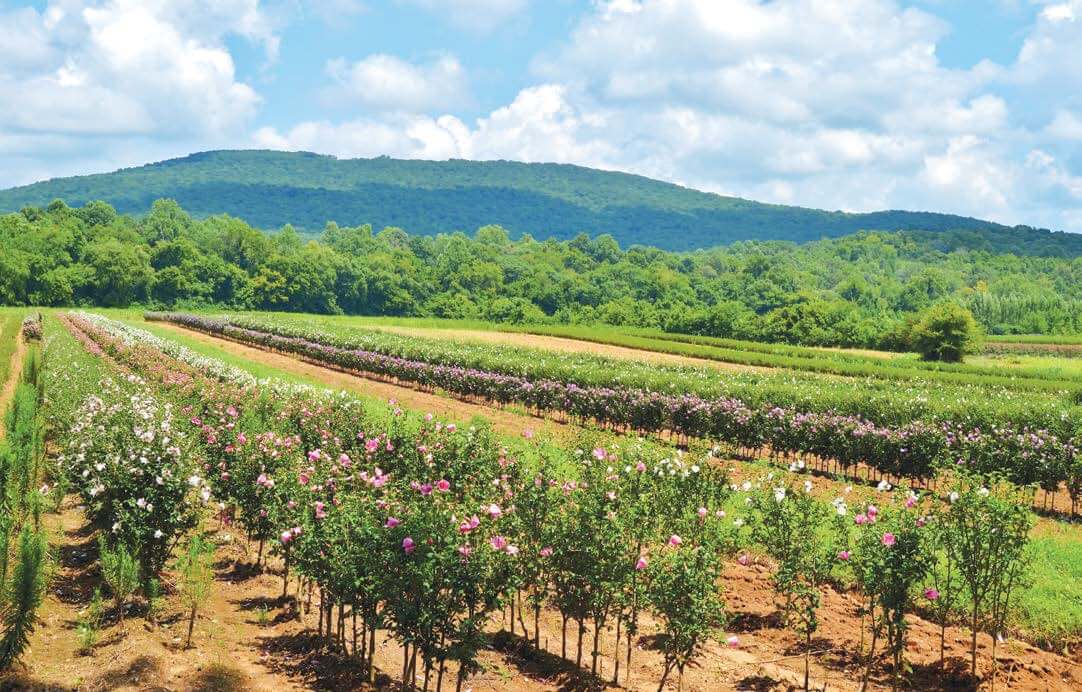
It's easier than most people think to make a yard that looks nice and helps nature. Sustainable gardens use plants that require little care and don't harm the environment. They also save water and reduce waste. Sustainable gardening can transform your outdoor space into a healthy, eco-friendly haven, whether you have a small yard or a big area.
Learn how to choose the correct plants for your yard and create a low-maintenance outdoor space that works with nature rather than against it in this guide.
What Makes a Garden Sustainable?
Sustainable Gardens Plants
A sustainable gardens is designed with nature in mind. You don't force plants to grow in bad conditions; instead, you pick plants, work the soil, and make plans that are good for their long-term health. When it comes to sustainability, these are the main ideas:
1. Getting along with nature
When you practice sustainable gardening, you choose plants that do well in your area's temperature, soil, and amount of sunlight. Plants that are native to your area need less care, water, and fertiliser.
Perennials2. Using less water
One of the most important things is water. Sustainable gardens use water-conserving techniques such as drip irrigation, rain barrels, and plant groups.
3. Taking care of the soil
Sustainable gardening depends on healthy dirt. To help your plants grow strong, don't use poisons. Instead add dirt, grass and other organic matter to your garden.
4. No chemicals
Natural solutions, such as soil, companion plants and organic waste, are used in sustainable gardening techniques rather than harsh chemicals or fertilisers.
5. Helping the wildlife in the area
Plants that draw birds, bees, and butterflies are often used in sustainable landscaping. These helpful bugs keep the balance and fertilise your yard.
Choosing the Right Plants for Sustainability
Guide
One of the best ways to make your yard green is to choose the right plants. It's easier to take care of and grow plants that do well in your area. Here are some great plants that are good for the environment
1. Muskogee Crepe Myrtle
Plant
This lovely tree blooms for years with minimal maintenance. Muskogee Crepe Myrtle grows best in warm parts and needs little water before drying up. It's perfect for eco-friendly landscaping since it lasts and requires minimal upkeep. Long flowers attract birds and bees, making your plant healthier and more active.
2. Trumpet Vine
Trumpet Vine is a climbing plant that grows quickly and is known for its trumpet-shaped flowers. It does well in many soil types and doesn't need much care once it's outside. The flowers attract bees and butterflies, which is good for the area's wildlife. This plant is a great way to add height, cover fences, or make natural shade without using any extra materials.
3. Virginia Creeper
The Virginia Creeper is another tough plant that grows quickly and on its own. It can grow well in both sun/ shade and once it's established, it doesn't need much water. This plant is best for eco-friendly gardening because it protects bare spots, stops soil from washing away, and supplies natural shade that keeps you cool.
Choosing Plants That Work Together
Plants that have the same quantity of water, soil, and sunlight grow bigger and need less maintenance. This simple plan helps with sustainable gardening and encourages people to save water. Plants that do well in the shade can fill in dark spaces and make the garden look full and natural. You can make an outdoor space that seems like one unit, is easy to cultivate, and stays lovely with little care by planting plants in the proper places.
Designing Maintaining a Water-Wise, Eco-Friendly Garden
You don't have to give up beauty to make your plant last. In fact, gardening that is good for the environment often makes places healthier and greener. Here are some easy ways to make your yard eco-friendly and save water.
Make a plan to do less with water
The first step in designing a setting that will last is to make a good plan. Think about where water naturally moves in your yard. Put plants that need a lot of water in low areas and plants that can handle drought in higher areas. Putting down mulch helps keep the soil moist longer, so you don't have to water as often.
Make good use of rainwater
Getting water for your plants is easy with rain barrels. Drip irrigation systems also deliver water slowly to the roots, so it doesn't go to waste.
Give it shade and a wind break
Walls, arbours and fences can get natural shade from climbing plants like the Trumpet Vine and the Virginia Creeper. This keeps your garden cooler and reduces the need to water it as much.
Pick care methods that are natural
If you can, avoid harmful herbicides and fertilisers. Use mulch, fertiliser and natural pest-control techniques - companion planting. You can keep your garden healthy with these suggestions that won't damage the dirt or creatures.
Look after wildlife
Natural GardeningBirds, butterflies, bees and other helpful bugs keep your garden in balance. Pick plants that give you food, shade and colour throughout the year. Native plants are the best because they grow naturally in your area.
Simple and easy to handle
It's easy to take care of plants that last a long time. Plants that can handle bad weather, don't need as much water, and don't need as much care.
Frequently Asked Questions
What is a sustainable garden?
A sustainable garden is an outdoor space that helps local animals, saves water, and protects the earth. By picking the right plants and using natural ways to keep an eye on them, it stays healthy with little work.
How to grow a sustainable Plants?
Choose plants that do well in the land and temperature where you live. Be smart about how much you water them, feed the earth with organic compost, and don't use chemical sprays. Sort plants by how much water and sunshine they need to cut down on waste.
Why are vegetable garden sustainable?
Vegetable gardens are environmentally friendly because they grow food close to home, reduce reliance on store-bought products and promote natural gardening methods. Also, you can use them to make compost from food scraps, which adds nutrition to the soil.
How to start a sustainable garden?
Start out small. Pick a few tough plants, add compost to the soil, and set up an easy way to water them. Choose local plants, use mulch and grow in places that get enough sun and have enough room.
Can a sustainable garden still be beautiful and low-maintenance?
Yes! Healthy earth, natural design, and hardy plants are often used in sustainable gardens, which are often more beautiful. Once they are established, they need less feeding, fewer chemicals and very little care.


