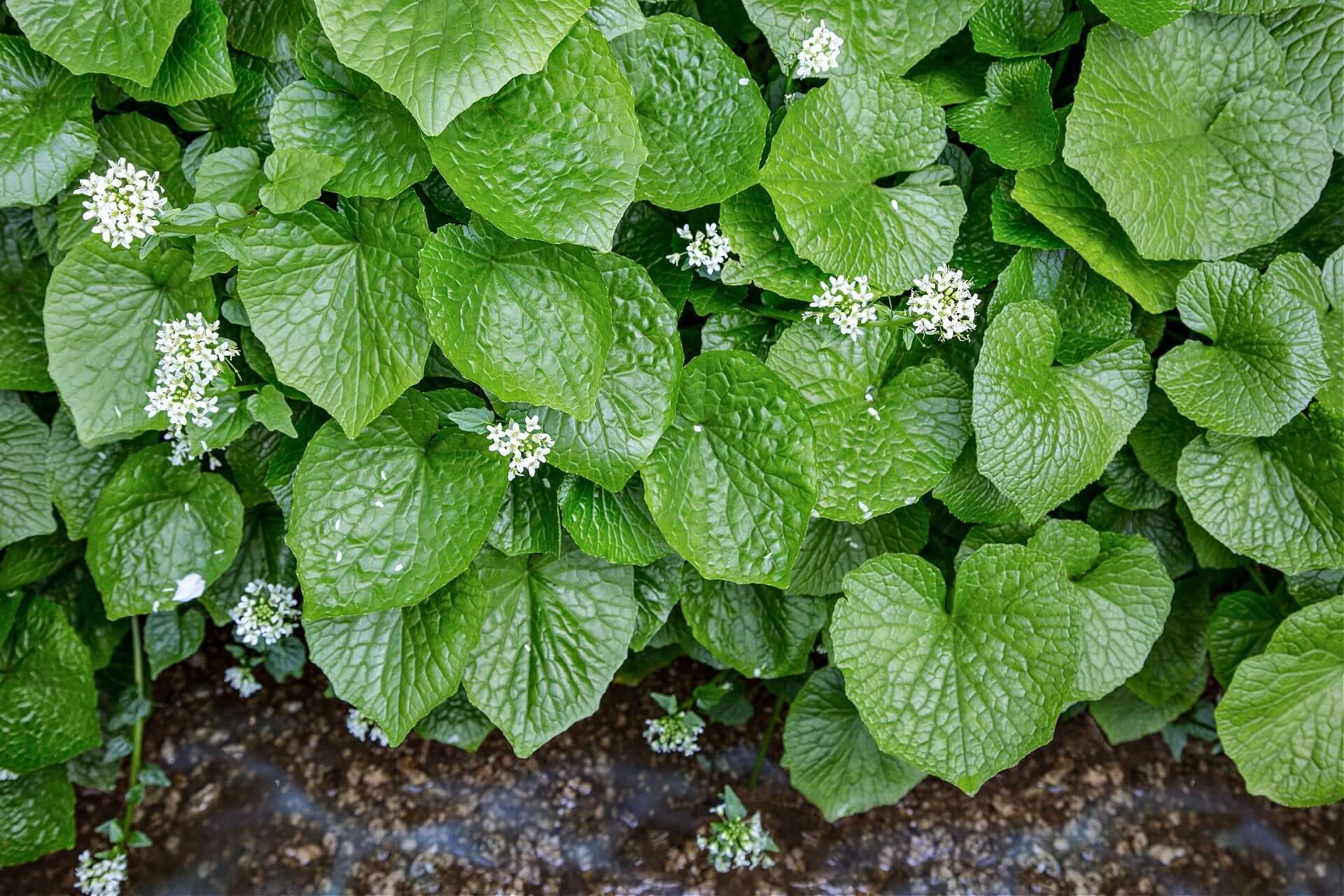
Home gardeners want to grow the wasabi plant because it is one of the most interesting and tasty plants they can grow. Real wasabi is much more delicate and flavorful than the fake versions most people know. Wasabi has a strong taste and can be used in cooking. Growing wasabi at home can be very satisfying because you can get fresh, real rhizomes that add a unique flavor and taste to your food.
You will learn about the best places to grow Wasabi, how to plant it, how to care for it, what plants to grow with it, how to prepare it for the season and how to avoid making some common mistakes. This comprehensive guide will help you get started, whether you want to discover a unique edible garden or just learn how to grow wasabi plant.
What Is the Wasabi Plant?
The wasabi plant, or Wasabia japonica, is a cold loving annual that comes from Japan's mountain streams. It does best in cool, shady places with rich, wet soil that is full of different kinds of organic matter and microbes.
People love the plant's root, which can be eaten and used to make the fresh green paste that is used in sushi. Real wasabi has a complex taste that is spicy, sweet and aromatic, unlike fakes that are made from horseradish.
Most Important Features
- Does best in cool, filtered light
- Likes consistently moist soil that drains well
- Has heart shaped leaves that look nice
- Grows slowly but gives growers who are patient a great crop
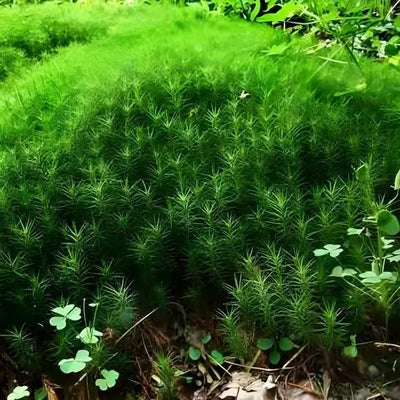
To add moisture to the earth and help roots stay healthy, you could use things like Hedwigia Ciliate Moss, which helps plants stay moist.
How to Plant and Care for Wasabi at Home
Wasabi plant cultivation necessitates careful attention to soil type, water availability and shade. The plant has a reputation for being hard to grow, but it's much easier to learn how to grow wasabi plant when you mimic their natural surroundings.
Steps for Planting
- Set up a cool, shady place to plant that will be out of direct sunlight.
- Break up the earth a lot and add compost, organic matter and fine bark.
- Put the plant in a spot where the crown is just above the dirt.
- Give the roots a lot of water to settle down.
How to Take Care of Your Wasabi Plant
Consistent wetness, cool temperatures and nutrient rich soil are the main components of Wasabi plant care. Here are some important rules:
- Make sure the soil is fairly wet, but not soaked
- Keep the shade going by using taller plants or wild groundcovers
- Add organic compost to help soil creatures and a wide range of microbes
- Keep an eye out for pests, though wasabi usually doesn't have many problems
How to Help Beginners
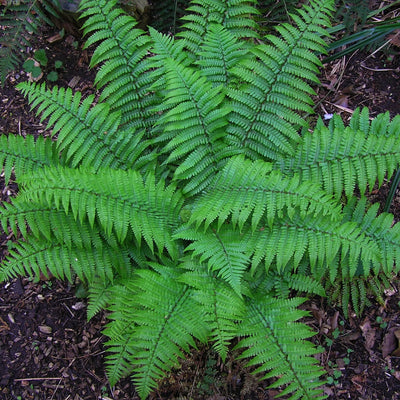
- To make a cooler area, use natural ground plants like Christmas Fern
- Drink water first thing in the morning to calm down
- Use mulch to keep the dirt at the right temperature
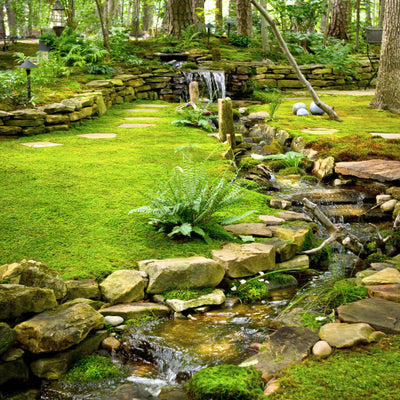
These careful steps will help you grow wasabi at home by making it look like the streamside places the plant loves.
Companion Plants for a Successful Wasabi Garden
To make a successful wasabi garden, you need to pair wasabi with plants that like the same things you do. Planting companions together makes more shade, keeps soil temps stable and increases biodiversity.
Best Companion Plants:
- Ferns that do well in shade, like the Christmas Fern
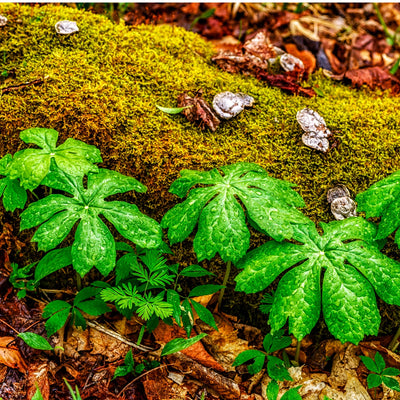
- Woodland plants that like wet conditions, like the Mayapple
- Mosses that keep the soil moist, like Hedwigia Ciliate Moss
-
Native perennials that do well in low light and rich soil
These plants help keep the cool, damp conditions needed for growing wasabi plants.
Tips for Companion Planting:
- Pick plants that don't need a lot of light and don't fight over nutrients
- Keep your plantings stacked for natural shade
- To keep the earth moist, use moss and organic mulch
You can grow wasabi at home without stress from heat or dry soil if you pair it with the right plants.
Common Challenges and How to Overcome Them
Growing wasabi is fun, but farmers often run into the same problems over and over. Knowing about these problems can help you avoid setbacks and keep your growth healthy.
Temperature Stress
Wasabi doesn't like it hot and does best when it's below 75°F. To keep plants from getting heat stress, put down thick layers of shade with ferns.
- Use more water when it's hot outside
- To keep the earth cool, cover it with thick mulch
Taking care of moisture
Root rot can be caused by too much water. Carefully keep the liquid in:
- If you want even watering, add grass
- Use compost to make sure the dirt drains well
- Don't water until the top layer starts to dry out
Slow Growth
People who grow wasabi need to be patient because it grows slowly. If you want constant growth, feed your plants with compost every couple of months.
- Using biodegradable mulch to help a variety of microbes
- Keep roots out of direct sunlight
The rhizomes of Wasabi plants are healthier and more resilient after learning proper Wasabi plant care methods.
Common Mistakes to Avoid
When growing wasabi plants at home, it's best to avoid making common mistakes.
- Putting wasabi in direct sunlight, which makes the leaves burn
- Letting the ground dry out for a long time
- Using dirt that doesn't drain well and suffocates roots
- Planting in warm places that don't have enough shade or water
Avoiding these blunders makes it simpler to learn how to grow wasabi plant.
Conclusion
Growing your own wasabi plant is a great way to acquire gourmet flavor directly from your yard. You may produce healthy wasabi plants that do well if you prepare the soil properly, give them some cold shade, plant some companion plants that aid, and take care of them regularly. For the best results, follow the recommendations in this book to maintain the roots strong, the soil consistently damp, and the leaves brilliant and healthy.
FAQs
Why is the wasabi plant so expensive?
Real wasabi is expensive because it takes a long time to grow, needs special circumstances and is easy to damage when picked and moved.
Why is wasabi difficult to grow?
Wasabi can't grow in most yard settings because it needs cool temperatures, filtered light and steady moisture.
Which plants grow well alongside wasabi?
Mosses, ferns and wild plants like Christmas Fern and Mayapple get along great with each other.
How do I grow wasabi at home successfully?
Pay attention to cool shade, rich, moist soil and careful watering.
How do I harvest and use fresh wasabi?
Rhizomes should be picked after 18 to 24 months, grate them gently and use them right away for the best taste.