
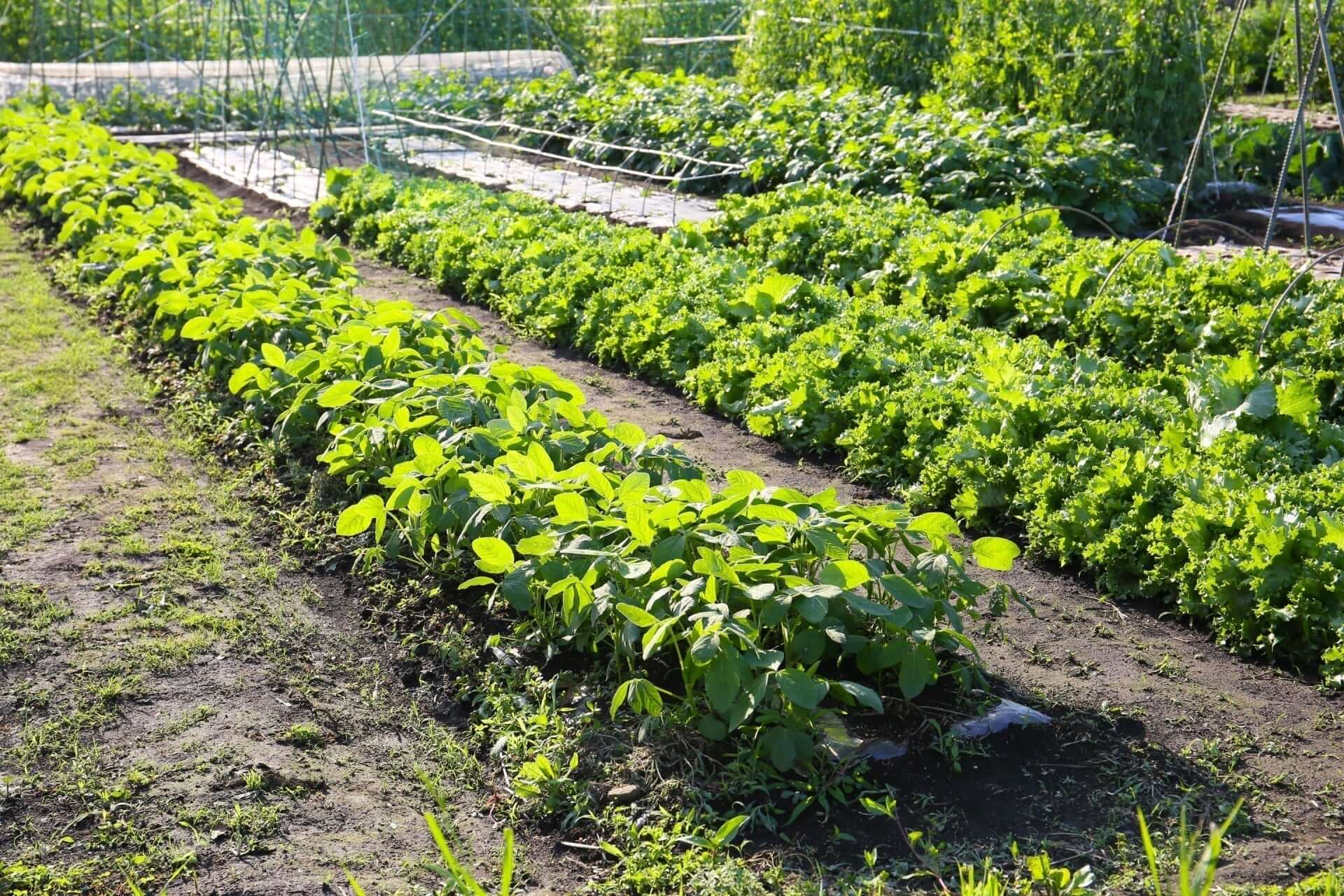
Transforming a garden begins with recognising the consequences of each decision. The process of Cultivating Change in your back yard can be as easy as implementing a few small, well-thought-out changes that enhance the soil, wildlife and general health of your garden. Gardeners can get great results over time if they use safe methods and proper seed planting techniques.
This blog takes you step by step through the process of sustainable gardening. It covers choosing the right plants, preparing the soil, regular upkeep, and the long-term benefits for your garden and the surrounding environment.
Why Sustainable Gardening Matters
When you garden in a way that is good for the earth and your garden, you win. You can create a place that grows and thrives year after year by conserving water, allowing the land to gradually improve, and supporting wildlife. Using fewer chemicals and letting insects thrive are two benefits of planting vegetable gardens in an eco-friendly way.
Using eco-friendly methods also helps the ecosystem in your area. Native trees, shrubs, and perennials provide birds, insects and other animals with places to live and food to eat. Planting Red Maple Seedlings improves air quality, adds yearly beauty and supports the health of the surroundings.
Incorporating Sustainable Gardening Practices into your garden transformation will not only benefit your plants but also help people be good stewards of natural resources.
Choosing the Right Plants for an Eco-Friendly Garden
A big part of making a garden eco-friendly is choosing the right plants. When you choose local or climate-adapted plants, you don't have to use as many chemicals, fertiliser or extra water. The Pawpaw is an example of a low-maintenance fruit tree that provides fruit that can be eaten.
Using a range of plants improves land health and naturally keeps pests away. Starting plants from seeds allows gardeners to choose the appropriate species for their
temperature and soil type while also promoting robust root growth. Planting vegetable gardens that are both profitable and environmentally friendly requires including blooming plants, fruiting shrubs and shade trees.
By being smart about your choices, you can make a garden space where long-lasting plants can grow and help the garden change over time.
How to Start Your Sustainable Garden Transformation
It doesn't have to be hard to start a healthy garden. Use seed planting and careful planning to start Cultivating Change by following these steps
Step 1- Take a look at your garden space.
Look at how the sun hits it, the quality of the soil, and how much water is available to help you choose the right plants.
Step 2 - Get the Soil Ready.
Loosen the soil and add compost or other organic matter to it to make it better at draining and growing plants.
Step 3 - Choose seeds and plants.
Seasonal
Choose natural or eco-friendly types, like Red Maple or Pawpaw Seedlings.
Step 4 - Plant carefully.
Always follow all the rules and the spacing to make sure all the roots grow strongly.
Step 5 - Cover and protect the soil.
Use natural mulch to keep the soil wet and keep weeds away.
Step 6 - Keep an eye on development.
Keep track of plant growth and adjust your care routines to help your ongoing garden transformation.
These steps help farmers gradually adopt Cultivating Change, ensuring it works and lasts from the start.
Step-by-Step Guide to Cultivating Change in Your Garden
Here is a full guide on how to use seed planting and other long lasting ways to bring about Cultivating Change
-
Choose the Right Seeds- Choose native or climate-adapted plants that don't need much care and are good for the environment.
-
Cultivating Unity
Clear the planting area of trash- work the soil to make it loose and add compost or other organic matter to help plants grow well.
-
Plant in Layers- To promote variety and multi-level environments, mix trees, bushes and blooming plants.
-
Water wisely- Water deeply and regularly to build strong root systems.
-
Beneficial Companions- To increase production you need to plant flowers that are good for pollinators near fruit trees like Pawpaw.
-
Maintaining Soil Health- To make sure long-term nutrition and growth, rotate crops, add organic mulch and keep an eye on pH levels.
By following this plan, gardeners can gradually begin using Cultivating Change, which will help the earth and grow a strong, healthy garden.
Maintaining a Sustainable Garden
Taking care of a healthy garden will ensure growth, output and natural balance for a long time. Changing the garden annually and adding new plant types helps keep the soil's nutrition. Using techniques like mulching or drip watering and by monitoring on how wet the soil is, you can save water and help the earth.
Planting flowering plants next to trees and shrubs brings in bees and other good bugs, which makes the garden more interesting and healthier. Adding compost, fertiliser or cover crops to the soil does good things for its health. When you grow plants from seeds, you can keep your yard interesting by adding new species. Adding long lasting plants like Red Maple Seedlings and Pawpaw makes the garden stronger and more pretty all year.
Check your plant growth and adjust your care routines to ensure your sustainable garden continues to thrive. Over time, this will lead to a meaningful garden transformation.
Conclusion
Your garden will become a sustainable, flexible and visually appealing place after implementing Cultivating Change through seed planting. By carefully choosing plants, preparing the soil well, and performing upkeep tasks in an eco-friendly way, you can increase variety, protect resources and build a healthy garden environment.
Using species like Pawpaw and Red Maple Seedlings has long-term effects and helps insects and the land naturally. These small and planned changes can make a big difference in the garden, showing that sustainable gardening is both useful and enjoyable.
FAQ's
What is cultivating change in gardening?
Making changes to your yard that are good for the earth and will last for a long time.
What happens when you plant multiple seeds together?
Putting a lot of seeds close together can help the pollinators do their job and also make the plants look more different. There is enough space between each seed so they can grow well.
Which plants are best for an eco-friendly garden?
Eco-friendly gardens are great places to grow native plants that can survive in dry conditions, shrubs and fruit trees like Pawpaw or Red Maple Seedlings.
Can sustainable gardening save water and resources?
Watering
Mulching, drip watering, crop rotation and organic fertilisers are all ways to save water and other resources.
What long-term benefits come from garden transformation?
Changing a garden makes the soil healthier, attracts wildlife, grows seasonal food and makes an attractive, durable outdoor place.
How do I start implementing eco-friendly changes in my garden?
To promote long-term growth and natural balance, start with soil analysis, seed planting, native plant selection, covering and long-term upkeep routines.


