
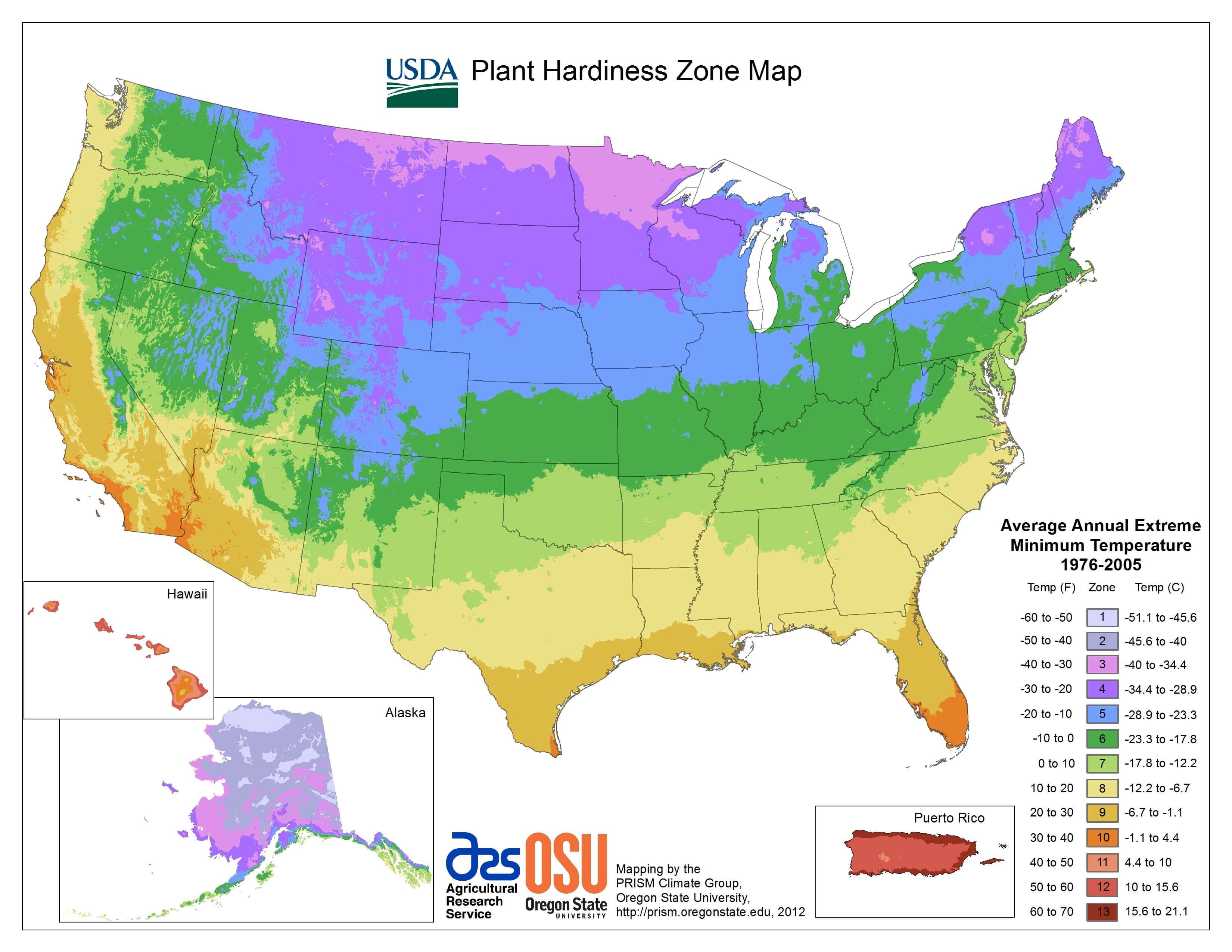
Learning about USDA plant hardiness zones is among the most significant steps towards successful gardening. These zones would assist you to determine the plants that would have flourished in your local climatic conditions depending on the average low temperature during winter. Whether it is planting fruit bearing shrubs, perennials or shade trees, understanding your zone will guarantee a better survival of plants as well as healthier growth and a more stable landscape that will be lasting.
In this guide, you will find the fundamentals of plant hardiness zones, the most effective utilization of the zone map provided by USDA and practical ideas of how to choose plants which will fit in the climate. You will also find out which types of vegetable varieties grow well in various regions and how you can design your garden with success in the long-term perspective.
What Are USDA Plant Hardiness Zones?
The USDA plant hardiness zones separates North America into 13 regions according to the average annual minimum winter temperature. The zones indicate a 10F difference, and the 5F increments are denoted in aa and bb. To illustrate, in Zone 5a, the lowest temperatures in winter are between -20degF and -15degF whereas in Zone 5b the lowest temperatures are between -15degF and -10degF.
These are the planting zones USA, which were designed by the United States Department of Agriculture to provide gardeners with a reliable source of reference when selecting plants. An example of a plant with the Zone 6 zone rating is able to endure temperatures as low as -10degF to 0degF during winter. The knowledge of your zone will enable you to avoid planting the species that will not survive during your coldest months.
DewberriesThe system is also hot tolerance centered, as opposed to heat, humidity, and downpour. Although winter hardiness is important, other local factors such as summer heat, soil type, and moisture levels should also be used by the gardeners when finalizing the choices of the plants.
How the USDA Hardiness Map Helps Gardeners ?
The USDA plant hardiness zone map is a very important resource that every one who has plans of establishing a garden or landscape must have. The map was last updated in 2023 and is a refined version of decades of temperature data and has been visualized to assist you in finding your particular zone depending on your ZIP code or geographical location.
It is easy to use the gardening zones map. All you have to do is to locate your spot on the map or type in your ZIP code on the USDA site and it will tell you what your exact zone is. When you become familiar with your zone, you can be sure that you can choose plants marked within that zone or with even lower numbers and they will endure the winter of your area.
The way the map can enhance improved gardening choices is as follows:
-
Zone 7
-
Planting Zone
a href='https://www.tnnursery.net/collections/perennials-for-zone-7' rel='' target='_blank'> Zone 7
Less loss of plants: When zone-appropriate plants are selected, there will be less loss due to winter kill and frost damage.
-
Saves time and money: You will not have to spend money on buying plants that do not survive in your climate.
-
shade trees
Enhances planning: Zone knowledge benefits your planting perennial beds, orchards and hedges which yield perennial.
-
Selection of variety: Various plants, such as berries, have zone-specifically bred cultivars.
Seasonal
If we use the example of Zone 6 as a planting zone of the USA and you are thinking of the berry plants, both the Blackberry Plant and the Dewberry Plant are great options that will fit several different climates, even in colder zones as long as they are winter mulched.
Best Plants to Grow in your Climate Zone
The cold-tolerance of each plant type depends on the plant hardiness zones of an area. Growing what grows well in your area assists you to create a garden that would easily grow without much struggle and disappointments.
Zones 3-4 (Coldest Regions)
It has tough winters in these areas that fall below -30degF. Hardy perennials, cold-tolerant shrubs and some varieties of fruit do well in this area.
Berries such as some of the blackberry growing varieties are cold-hardy.
- Conifers and evergreens
- Natural wild flowers and lawns.
- Brassicas and root vegetables.
Zones 5-7 (Moderate Climates)
These intermediate areas have the greatest variety of plant life. Winters are not extreme, but cold and summers are good to promote robust growth.
- Berry bushes such as blackberries and dewberries.
- Apple, pear, cherry fruit trees.
BlackBerries
- The perennial flowers include daylilies and coneflowers.
- Shade trees and flowering shrubs, which are deciduous.
Zones 8-10 (Warmer Regions)
Such areas have light winters and little frost. Widely expanded varieties of tender perennials and heat-loving vegetation can be cultivated by gardeners.
- Tropical fruits and citrus trees.
- Berries, brambles, are heat-tolerant.
- Ornamental palm and succulents.
- The production of vegetables all year round.
Zones 11-13 (Tropical Climates)
The hottest areas facilitate the growth of tropical and subtropical vegetation that is not resistant to frost.
- Mango and papaya are the tropical fruit trees.
-
Flowering plants and vines are exotic.
- Vegetables: Warm-season (all year round).
- Moisture-loving perennials
Regardless of your location, plants that are adapted to your climate save time on maintenance and save on water usage and help in the development of root health and biodiversity of the soil.
How to Choose Plants Using the USDA Zone Map ?
The first step in picking the proper plants is to be familiar with your gardening zones map but that is not the end. The following steps are practical and can be used to make smart planting decisions resulting in long-term success.
Step 1: Identify Your Zone
Check nursery plant tags or visit the USDA plant hardiness zone map on the internet. The majority of labeling on the plants contains a range, e.g., "Zones 5-9," which means the range of where the plant can tolerate winter.
Step 2: Find Your Zone or Lower Plants
Plants to be selected always need to be rated at your zone or even a lower zone. A Zone 5 rated plant will tolerate a Zone 5, 6, 7 and warmer climate, however a Zone 7 rated plant might not be able to endure a Zone 5 winter.
Step 3: Take into account Microclimates
There could be hotter and colder areas in your yard even in one zone. Plants which are rated a zone warmer can be grown on south-facing walls, in sheltered courtyards and around water. On the other hand, places with low elevation and exposed hill tops might need more tough selections.
Step 4: Consider Soil and Moisture
Zone ratings are concerned with temperature although proper soil conditions are also required in the plants. Add organic matter and compost to your soil in order to enhance drainage, aeration, and microbial activity. Good soil leads to good root development and enhances inter-seasonal resilience of plants.
Step 5: Select Established Performers
The first step would be to use plants that have been known to do well in your region. The Blackberry Plant and the Dewberry Plant are good varieties of berry plants that can be used in most gardening zones map as they can withstand cold and bring about good harvest. These varieties are easy to grow in other soils and they help in the pollination of your garden.
Long-Term Gardening Tips for Your Zone
Making a successful garden is not only about the selection of suitable plants now it is a long-term system that gets better in the process. The following are measures to make sure that your garden is productive and strong over years.
PerennialsBuild Healthy Soil
Any successful garden is based on healthy soil. Add compost, aged manure and organic matter on an annual basis to nourish the good soil organisms and enhance structure. This promotes deep root systems and makes plants endure the effects of extreme temperatures.
- Monitor your soil after every few years to test the pH and level of nutrients.
- Cover plants with mulch as a way of controlling soil temperature and drying up.
- Do not walk over planted territory.
Succession and Diversity Planning
Arrange to plant diverse species such that they can bloom and fruit at different times. This helps the pollinators and lowers the pest pressure and you also have the harvests all through the growing season. Add perennials and shrubs and ground cover to provide the interest and soil protection throughout the year.
Adapt to Changing Climates
There is a changing of climatic trends and an eventual warming of areas. Always keep up with the latest plant hardiness zone map usa information and are open to trying out some plants with warmer zone ratings. Keep plants safe when caught by unforeseen cold snaps by covering them with mulch, row coverings or temporary shelters.
Observe and Adjust
Record in a garden journal of what does and does not work in your own particular site. Frost dates, precipitation, and performance of plants. With time, you will come to know more about your own microclimate and will make more informed decisions.
Native and Adapted Plants
Always prefer plants that are native to your area or the ones that have been tested to be good. Native plants are good in supporting the wildlife in the area, they do not require much water or fertilizer and they fit perfectly into your ecosystem. They are also more disease-resistant and are healthy in roots.
Conclusion
Knowing the USDA plant hardiness zones will be able to make informed decisions that will result in a healthier and more productive garden. Growing the right plants helps to minimize the loss of plants, conserve resources and have a landscape that flourishes year in year out. Whether it is ornamental, vegetables or shrub fruit planting, the most important thing is to begin with the zone-correct choices which will result in lasting success.
To be sure and have a zone-flexible solution, you can add to your garden the Blackberry Plant and Dewberry Plant. The two types are productive in various regions and they give gardeners bountiful bounties and require little care.
FAQs
How do I find my USDA zone?
Use the USDA Plant Hardiness Zone Map webpage, and enter the ZIP code. The map will show you your zone and give you specific ranges of temperatures in your locality.
What plants grow best in colder zones ?
Cold regions (3-5) have strong perennials, evergreen, cold-resistant fruit trees, and some varieties of berries such as blackberries. Select the plants that are specially rated to the zone or colder.
How does climate affect plant survival ?
Climate defines how well your plants can survive your low winter temperatures, high summer temperatures, and rainfall improvement. Plants not in their hardiness zone can be damaged in frost, they can fail to root well, or have heat stress.
What is the USDA plant hardiness map ?
USDA plant hardiness zone map is a geography map that subdivides North America into zones depending on the average minimum winter temperatures annually. It assists the gardeners to choose plants that will not die in their local climate.
Are some plants suitable for multip;e zones ?
Yes, there are numerous plants which are versatile in multiple areas. As an example, blackberries and dewberries are good species in Zones 5-9 and thus can be used in practically all climates.
Which berries grow well across USDA zones ?
Blackberries, dewberries, raspberries and blueberries are all good options in a variety of zones. Choose varieties that are bred in your area so that you can get the most cold resistance and fruit yield.


