What Gardening Zone Am I In?
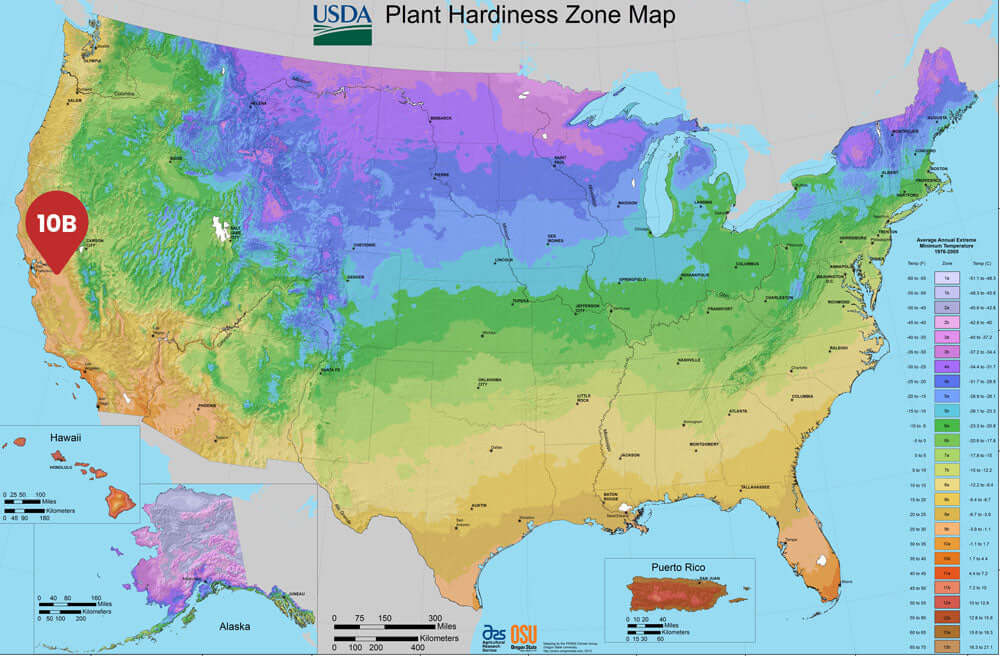
The first thing you need to do to build a successful garden is to figure out your planting zone. If you know your gardening zone, you can choose plants that will do well in your area's temperature, whether you're planting trees, ground covers, or perennials. Based on the average annual minimum temperatures, the USDA Plant Hardiness Zone Map divides the United States into different zone planting areas.
Now that you know your zone, you can plan when to plant, what to grow, and how to keep your garden safe as the seasons change. From flowering trees and native species to ferns and perennials, TN Nursery helps gardeners all over the country find plants that will grow well in their gardening zones USA.
Understanding USDA Hardiness Zones
- The USDA hardiness zones are split into 13 regions, with an average yearly low temperature difference of 10 degrees Fahrenheit between each region.
- Parts of Alaska are in Zone 1, which is the coldest place on Earth. Southern Florida and Hawaii are in Zone 13, which is the hottest place on Earth.
- Figuring out your zone helps you choose plants that can survive your weather. One example of a plant's zone is 5–9, which means it can grow in temperatures between -20°F and 30°F.
- In colder places, gardeners may need to bring planted plants inside over the winter, but in warmer places, plants can stay green all year.
This is the official USDA Plant Hardiness Zone Map. To find your exact area, use the garden zone by zip code tool. Just type in your zip code to find out where you can plant.
Gardening Zones across the USA
The weather in different parts of the United States is very different. The winters in the Pacific Northwest are cool and wet, and the summers are warm. In the Southeast, on the other hand, gardening seasons are long and humid.
Here is a quick rundown of the gardening zones USA and what usually thrives in each:
-
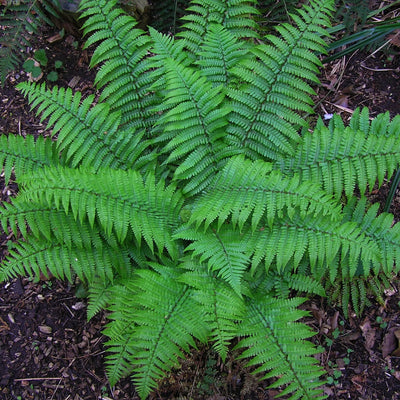
Zones 3 and 4 are great for hardy plants that can handle colder winters, like Christmas Ferns and evergreens.
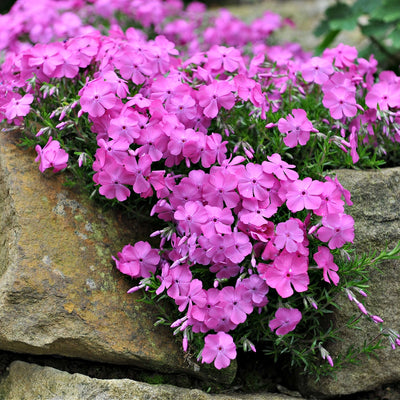
- Zones 5 and 6 are great for plants that lose their leaves in the fall, ornamental trees, and perennials like Creeping Phlox that bloom in bright spring colors.
- Zones 7 and 8 are great for flowering plants, fruit trees, and ferns that like it mild in the winter and warm in the summer.
- Zones 9 - 11: Grow tropical and subtropical plants that do well in hot weather and don't get frost often.
Knowing when to plant and how to care for plants in each zone is important for keeping gardening healthy and lasting a long time.
Why Knowing Your Gardening Zone Matters
For plants to survive and for planning for the coming season, you need to know your zone planting guide. The winter frost in Zone 5 could be too much for a plant that does well in Zone 9. Planting in your designated zone will help your plants do better in the long run and lower their risk of dying in the winter.
Following the zone planting guide will help you keep plants alive and help them grow stronger.
Tips for Gardening Success in Any Zone
No matter what USDA zone you live in, these tips will help you grow a beautiful garden that does well.
1. Pick plants that do well in your climate.
First, make sure the plants you choose are hardy in your area. As an example, Christmas Ferns are great for cooler areas because they are hardy and always green. Also, Creeping Phlox does well in a lot of different conditions, which makes it a useful choice for ground cover.
2. Learn about microclimates
Your yard can have different temperatures even if you live in the same zone. It's possible for places near walls, fences, or bodies of water to stay warmer or cooler than open areas. Look at these differences before you decide where to plant plants that like shade or sun.
3. Use mulch and changes to the soil.
Plants that grow in healthy dirt are healthy too. To keep the soil moist and protect the roots from extreme temperatures, add fertilizer, organic mulch, or other soil improvers.
4. Make a plan for seasonal care
Cover tender plants before frost in colder places and in warmer places give people shade during the hottest part of summer, your plants will stay healthy all year if you change how you take care of them based on the season.
How TN Nursery Helps with Zone Planting
We at TN Nursery know how important it is to put plants in the right place. For long-term success, our experts help customers choose plants based on their growing zone and give them professional care tips.
- There are many climate-appropriate plants to choose from at TN Nursery, such as ferns, perennials, and native bushes.
- For example, Creeping Phlox (which does well in Zones 3–8) and Christmas Ferns (which do well in Zones 3–9) are great choices that will give any scene life and texture.
- TN Nursery makes sure that every customer gets hardy, beautiful plants that will grow well in their area by mixing knowledge of the area with plant knowledge.
FAQs
What is a gardening zone?
The usual lowest temperature that year in your area is shown by a gardening zone or USDA hardiness zone. It helps you pick plants that will do well in your area's winters.
How do I find my garden zone by zip code?
The USDA Plant Hardiness Zone Map can be found there. As soon as you enter your zip code, you'll see your growing zone.
Where can I buy plants suitable for my gardening zone?
At TN Nursery, you can buy plants that are native to your area, and the staff will give you advice based on where you live.
What plants grow best in Zone 8 or Zone 9?
Plants that can handle heat like ferns and flowering perennials and small decorative trees do very well in zones 8 and 9.
Why are USDA hardiness zones important for plant selection?
USDA hardiness zones ensures that the plants you choose will do well in your area by lowering the risk of frost damage and improving growth over time.