
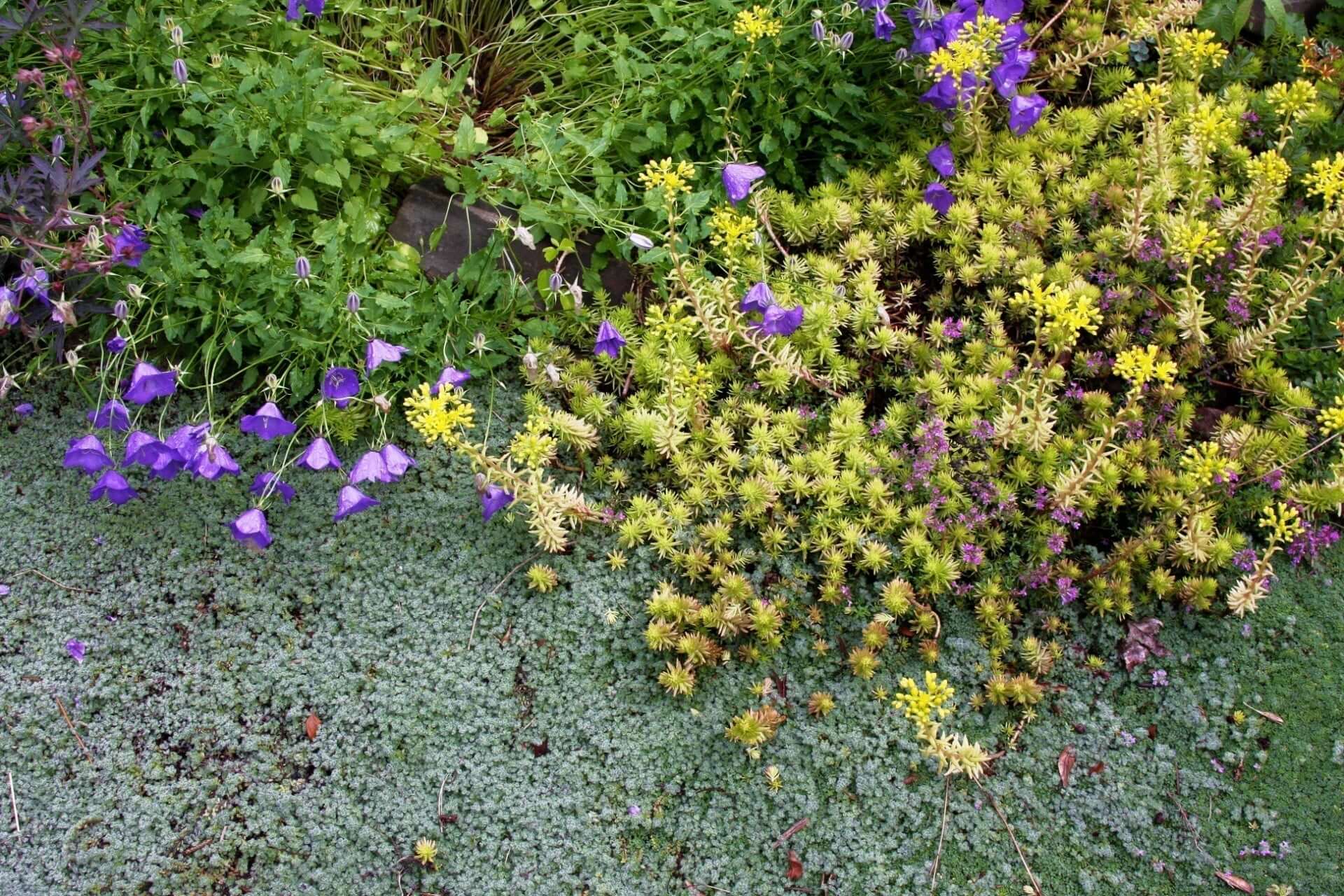
One of the most important things you can do to plan a healthy, long-lasting garden is to find out your Hardiness Zone. You can use these zones to learn about weather patterns, seasonal trends, and which plants can thrive in your area. You can select plants that will grow regularly, withstand your climate, and come back year after year when you know about plant hardiness.
This blog will teach you about hardiness zones and how to find your own. It will also explain how zones affect plant choices and which species do best in which areas. For more ideas, check here.
What Are Hardiness Zones and Why They Matter
People who garden use hardiness zones to figure out which plants will do well in their area. The idea comes from the usual low winter temperatures in a certain place. These scores tell you how cold it gets where you live and how well different plants can handle that cold.
The USDA hardiness zones are used by most farmers because they are clear and consistent across the country. The warmest parts of these zones are in Zone 13, and the coldest parts are in Zone 1. If you know your zone, you won't put plants that can't handle the cold winters where you live.
You can also avoid spending time and money on plants that won't make it if you know your zone. Some wild plants, like the Virginia Bluebell, do better in cooler areas with wet soil. Other plants, like the California Privet, do better in hot areas.
Ignoring hardiness zone for plants can result in poor growth, winter damage, or even plant death, according to gardeners. That's why getting into your zone is so important for long-term success.
Using Hardiness Zones to Choose Plants
Your planting hardiness is more than just a number; it helps you choose plants that will do well in your area. It's easier to pick flowers, shrubs, and trees that do well year after year when you know more about your area.
For instance, forest plants like Dutchman's Breeches like places that stay cool and have steady water. On the other hand, plants like California Privet can grow in slightly warmer places. When you know your zone, you can give each plant the elements it needs.
When selecting plants for new beds, borders, or gardening plans, many gardeners depend on USDA Plant Hardiness Zones. These zones help you plan your garden based on how cold it will be in the winter, when plants will flower, and how they grow during different seasons. If you choose plants based on their hardiness zones, they will have stronger roots, better growth, and more trusted blooms year-round.
Tips for Gardening by Zone
It's easier to plant when you know your zone. This keeps you from having to guess. These tips will help you garden with confidence and make sure your plants stay healthy all year:
To keep plants from dying back in the winter, pick ones that do well in the temperature range for your zone.
- Monitor seasonal changes carefully, since early frosts or sudden heat spells can affect plant growth.
- Plant at the right time of year for your area; planting dates need to be later in colder areas.
- During the winter, especially in places where it gets below freezing, cover the roots with mulch.
- Choose native or zone-appropriate plants to keep them alive longer and require less care.
- Pay attention to how microclimates, like patios with shade or open areas with a lot of wind, affect how well plants do in your zone.
Gardeners who use zone-based planning always have crops that are better, healthy, and lose much less during the growing season.
Common Mistakes When Ignoring Hardiness Zones
If you don't follow the Hardiness Zones, you could get frustrated and lose plants. These are mistakes that farmers often make.
-
Location
Putting in plants that aren't right for your area: If you pick plants that can't handle the cold winters in your area, they will probably die back or die completely.
- Planting
Ignoring the seasons
Planting too early or too late in your USDA hardiness zone can expose plants to cold or heat stress.
-
Ignoring microclimates
Even within the same zone, plant hardiness and growth can be impacted by places with shade, wind, or higher elevations.
-
Choosing tropical or warm-climate plants in cooler areas
These plants often have a hard time surviving when the temperature isn't where they like it to be.
-
Not checking the product recommendations.
Some farms list the hardiness zone for plants, not checking these can lead to bad performance.
-
Not protecting plants from winter.
Not covering or protecting plants that are easily hurt can hurt their roots and lower their chances of survival.
If you follow these tips, your plants will do well and your garden will stay healthy all year.
Resources for Hardiness Zone Maps and Tools
When you use the gardening zone by zip code tools, it's easy to find your zone. For the most part, farmers use official web maps that clearly show all four USDA hardiness zones by colour. You can use these maps to get a quick look at your state, town, or area.
Others let you find planting zones by zip code. Just type in your ZIP code and get a zone right away. This is helpful for people who are just starting out and don't know much about weather maps or how climates vary from place to place.
Many gardening websites, farms, and plant stores have zone search tools built in. When you buy plants online, zone information is shown next to the plant details. This helps you make a smart choice.
Once you know your zone, you can choose plants, plan your garden's timing and provide better long-term care.
Conclusion
When you know your Hardiness Zone, you can be sure that the plants you choose will do well in your area. Knowing your zone helps you make choices that are useful and right for your climate, whether you're picking out new plants, planning a flowerbed, or making a long-term garden layout.
By growing in zones and using safe species like California Privet and Dutchman's Breeches, farmers can get plants that are stronger, have healthy roots, and grow better all year. When you have the right tools and knowledge, farming is faster, more reliable, and a lot more fun.
FAQ
What is the hardiness zone for plants
It's a grade based on temperature that indicates how well different plants can withstand winter.
How do USDA zones help gardeners?
They help you pick plants that will do well in your area's temperatures, reducing the risk of winter damage.
Which plants are best for my zone?
Plants that are meant to grow in your zone will do well—many farms list the zone ranges for each plant.
How do zones affect perennial selection?
For perennials to come back every year and grow well, they need to be able to handle the winter weather in your zone.
Can I grow plants outside my zone?
Yes, but most of the time they need extra care, security or to be grown as annuals.
Why are hardiness zones important for gardening?
They keep plants from dying, help with planning and make sure fields are better and last longer.


