
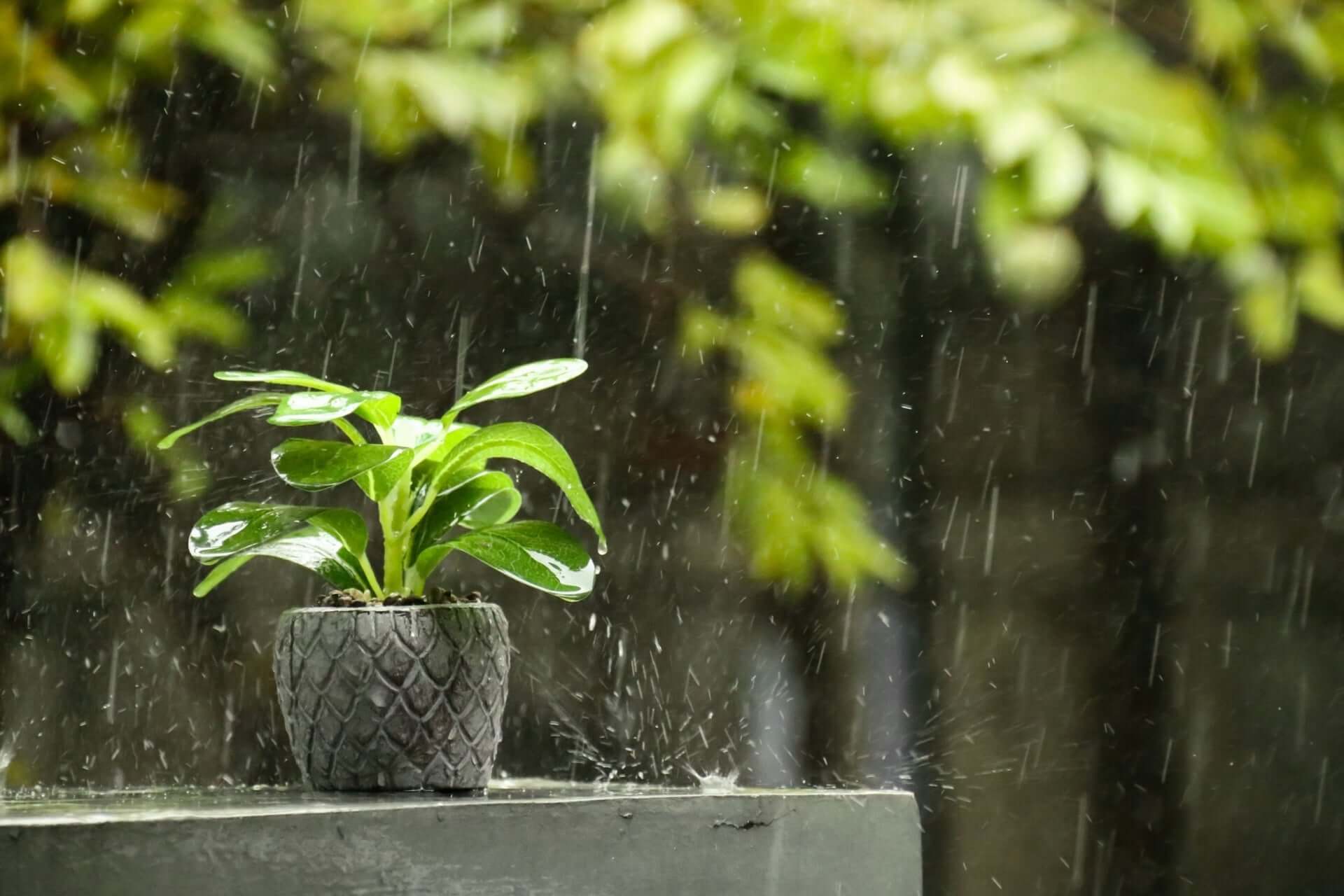
A Storm Proof Garden is more than just a bunch of tough plants. This way of designing your garden prepares it for unpredictable weather and keeps it looking nice all year. It rains a lot, winds hard and the temperature changes quickly during storms. For long term health and less work, you need to make sure your garden can handle these conditions.
You can plan and protect plants from storm and improve your garden with this guide. It will teach you how to choose the right plants, prepare the soil and use tried and true methods that protect plants from storm while still enjoying a lush landscape.
Understanding Storm Proof Gardening
Storm-proof gardening is all about building up your body's natural strength. It means making the soil stronger, helping it drain better, and creating patterns that stop the wind from blowing through. That way, you can help your plants stay healthy even after poor weather and keep them from becoming injured in the long run.
- Healthy soil is a big part of being able to handle storms. Strong root networks and soil that is high in organic matter stop runoff, improve drainage and help plants handle stress.
BOGO
- Compost, leaf mulch and additions that keep water in the soil can all make it better.
- Another important part of storm proof gardening is windbreaks.
- They turn the wind around, which lessens its force and prevents the wind damage plants frequently sustain during bad weather.
Adding bushes like Green Giant Arborvitae makes a natural shield that protect plants from storm over time.
Why Should You Storm Proof Your Landscape?
Storm proofing has a lot of useful benefits. It keeps expensive plants from dying and cuts down on repairs needed after bad weather. It also makes the soil healthier, keeps garden buildings safe and makes trees live longer.
Take a look at these important benefits:
-
BOGO
- Fewer plants die in wind and heavy rain
- Lowers long term upkeep costs
- Helps keep topsoil in place during storms
- Protects outdoor structures and fencing
- Makes the area safer for people and pets
Storm proofing your yard is another way to make it more sustainable. If you protect plants from heavy rain, you stop soil loss and help roots grow stronger. These small changes will have a big effect on the health of your garden in the long run.
Choosing Storm Resistant Trees and Plants
Picking hardy, wind tolerant plants that do well in bad weather is the most important part of making a Storm Proof Garden. Storm resilient plants really shine in these situations. They can handle changes in wind and water better because their roots are deeper and their stems are stronger.
If you choose the right plants, you can keep the structure looking nice even after a storm. The best plants are perennials, trees and vines that have strong branching systems.
Think about growing species that are known for being able to handle weather that changes quickly. For instance, the Red Maple Tree is tough, flexible and great at dealing with rain, which makes it perfect for places that get a lot of storms.
What Are the Best Trees and Shrubs for Harsh Weather?
For a storm proof yard, pick plants with deep roots, flexible branches and the ability to handle water well. Here are some good candidates for climates that are hard to work in.
Trees that are great for places that are likely to get storms
The trees are:
- Red Maple
-
Bald Cypress
-
River Birch
- Sweetgum
- Green Giant Arborvitae
These trees all do well in wind, rain and changing weather trends. If you want to make your scenery more stable, these are great choices.
Shrubs and Vines That Handle Weather Well
Strong shrubs help block the wind and keep smaller plants safe. When used in the right places, vines can also add support and stop erosion.
The Trumpet Vine is a great choice for strength. It looks nice, grows quickly and keeps the ground stable around buildings or on hills.
Key Features of Plants That Can Handle Storms
When searching for storm resilient plants, choose varieties with:
Deep roots
- Strong, bendable branches
- Able to soak up water well
- Able to handle both heat and cold well
- Natural defense against sickness and pests
Truly Storm
The plant gets better faster after a storm because of all of these things.
How to Storm Proof a Garden Step by Step
Here is an easy breakdown to follow if you're wondering how to storm proof garden spaces.
1. Build up the structure of the soil
Plants that grow in healthy dirt are healthier too. Adding organic matter and fertilizer will help the soil drain better, stop erosion and boost microbial activity.
2. Protect against wind
Use things that block the wind, like walls, hedges or tall plants. A row of Arborvitae trees protect plants from storm and softens the blow of rapid wind.
3. Make the drainage better
Root rot and soil loss can happen when water stays still. To help water move better, put in French drains, use raised beds or add dirt.
4. Hold young trees in place
Young trees are easy for wind to damage. Put them on strong stakes until their roots grow all the way down.
5. Pick plants that can handle the weather
Include trees and shrubs that are known to be hardy. Plants with deep roots will help the garden stay stable during storms.
Extra Strategies to Protect Your Garden
To reduce wind damage plants often face
- Regularly prune trees to remove weak branches
- Use mulch to stop soil erosion
- Group plants for collective protection
- Add groundcovers to stabilize exposed soil
- Install rain gardens to divert extra water
FAQs
Why is Storm Proofing Important?
It keeps your buildings, plants and dirt from getting hurt, which saves you time and money in the long run.
Which plants survive strong storms best?
It is known that trees and bushes like Arborvitae and Red Maple can stand up to a lot.
How to protect a garden from the wind?
Set up windbreaks, trim trees and plan where to put bigger plants.
What is the best way to protect your garden?
sustainable
For the best results, choose plants that do well in healthy soil that drains well.
How to protect a garden from too much rain?
A raised bed, earth layers or rain garden can help the soil drain better.


