
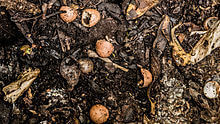
Gardening is a great way to connect with the earth․ One of the best things you can do to help your garden is fertilize it with compost․ Compost not only nourishes the soil and plants‚ but it is a great way to cut down on garbage․ If you have an abundance of your own compost‚ you will always have a great source of nutrients to work into your gardens and to build your soil․ Making your own compost is the best way to live as sustainably as you can while in the garden and your plants will thank you for it! As long as you know the basics of composting‚ your garden can become a little piece of paradise․
How to Compost
Composting is as complex or as simple as you want to make it․ Really all you do is create a mix of organic materials that will decompose into a rich‚ dark substance that will nourish the soil․ Start out with some vegetable or fruit scraps‚ or some coffee grounds or grass clippings to trigger the process‚ because these 'nourish' the microorganisms that will decompose the waste․ Once you have collected enough materials‚ check that your compost pile‚ or compost bin if you have one‚ has a balance of green materials (high in nitrogen) and brown materials (high in carbon)․ If circumstances allow‚ the organic material is broken down by moisture‚ oxygen‚ and the activity of decomposing microorganisms such as bacteria․
A compost that is both high in nutrients and properly aerated is created by mixing greens‚ which add freshness and energy‚ with browns‚ which add structure and aerate a compost․ Examples of greens include vegetable peelings‚ fresh grass cuttings‚ and eggshells‚ and browns include dried leaves‚ cardboard‚ and straw․ Including a variety of materials will help diversify the nutritional value and assist in breaking down the materials․ Larger materials should be broken down into smaller pieces to help in the process․ And maintaining the moisture levels‚ not too humid and not too dry‚ provides the ideal environment for these microorganisms to do their job properly and produce a rich nutrient filled compost that will re-energize the soil in your garden․
How Compost Heals The Soil
The addition of organic compost to your garden can be helpful to the soil as it can improve both the nutrient status as well as the structure of the soil improving the water holding and drainage capacity․ In addition to providing a better environment for plants and their roots‚ organic compost encourages the presence of helpful microorganisms that help to break down nutrients for plant uptake․ Other organic fertilizers such as compost can also lead to less reliance on chemical fertilizers‚ which can have a negative effect on the environment․ Composting can help support biodiversity by balancing the ecosystem of your garden․
There are a variety of practices for beginners to make composting easier; one such method is layering‚ or alternating layers of green and brown materials within the pile or compost bin․ Other methods include using a layered cake of nutrients‚ or a compost bin which helps better control odors and pests and provides a more contained environment to decompose the material․ If you have limited space or just need a good starter system‚ a worm composting system (also called vermicomposting) might be a better option for you․ Worms can eat organic waste very quickly and produce 'worm castings'‚ high-quality compost for plants․ However‚ very few gardens are started off with a full compost operation and they may be built up over time․
Composting has some disadvantages․ It also has several common mistakes commonly made by beginners‚ including adding too much of one type of material‚ leading to an imbalance that results in an offensive smell or slow decomposition․ Besides‚ neglecting to turn the pile prevents aeration‚ which is an important part of the composting process․ Meat‚ dairy products‚ and oily foods should not be used in the compost pile as they attract vermin and smell․ Preventing these common composting mistakes will save you time and effort and ensure you get the most successful composting experience possible․
Composting Feeds The Garden
In conclusion‚ fertilizing your garden with compost naturally is a helpful and rewarding process for your plants and the environment․ Learning the basics of composting and the components of organic compost will help your garden to flourish and thrive․ With the right methods and awareness of common pitfalls‚ anyone can be a successful composter․ Witnessing the transformation of the black gold from your kitchen counter into happy‚ healthy growth in your garden can be extremely rewarding․ By composting‚ you will be helping not just your garden come back to life‚ but also helping bring about a better world․


