
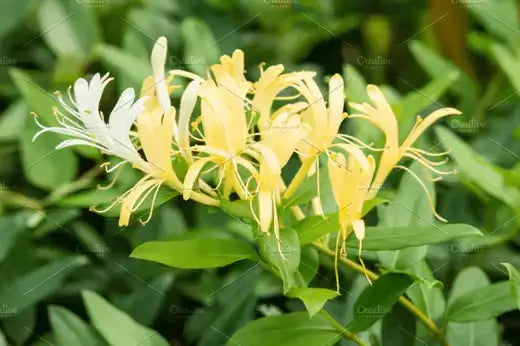
One of the most beautiful plants to add to a yard is the Honeysuckle Vine as it adds beauty and variety to outdoor places with its sweet smell, bright flowers and ability to draw in pollinators like hummingbirds and butterflies. Being careful with honeysuckle vine care can turn fences and walls into beautiful flower displays.
Sweetheart vines and other healthy plants that grow well with honeysuckle can be found at TN Nursery. The bright blooms of honeysuckle go well with plants like the Trumpet Vine and Pink Spirea making a yard full of color and life.
Understanding Honeysuckle - Types and Features
Before planting honeysuckle, it's helpful to know the different kinds that are out there. There are both climber and bush types of honeysuckle. Climbing honeysuckles, like Lonicera periclymenum (Common Honeysuckle), make flower groups that look like tubes around trellises and arbors. On the other hand, shrub honeysuckles grow straight up and are often used as borders or bushes.
Key Features of Honeysuckle:
- It grows quickly and is easy to take care of
- Beautiful flowers in white, pink, red and yellow
- Bees, butterflies and hummingbirds like it.
- Does well in a range of soils
Vines For Zone
Honeysuckle bushes are tough and easy to grow, which makes them a great choice for gardeners of all levels. You can enjoy blooms from late spring through fall with the right honeysuckle plant care.
How to Plant Honeysuckle Successfully
It's easy to learn how to grow honeysuckle once you know how to prepare the dirt, give it enough sunlight and build support structures. Your quick honeysuckle planting guide to success is provided in this part.
Step 1: Pick the Right Place
Honeysuckle does best in full sun, but it can also handle some light shade. The better it grows, the more sunlight it gets. Pick a spot where the vine can grow, like next to a fence, trellis, or pergola.
Step 2: Get the ground ready
Honeysuckle grows best in dirt that is moist, well drained and full of organic matter. Before you plant, work compost or peat moss into the top 6 to 8 inches of dirt.
Step 3: Put honeysuckle plants down
- Make a hole that is twice as wide as the root ball and only as deep.
- Put the plant in a spot where the top of the root ball is level with the ground.
- Put native dirt in the hole and water it well.
- Put mulch around the base to keep the soil wet and even out the temperature.
When planting honeysuckle near a building, make sure there is room for air flow. This stops fungal illnesses and helps plants grow in a healthy way.
Step 4: Provide support
When you plant honeysuckle bushes, give them something to climb. A trellis, an arbor, or even wire mesh can be used to help the vines grow up.
Plant Pink Spirea close to add more color contrast. Its soft pink flowers look beautiful against the bright colors of honeysuckle.
Essential Care Tips for Honeysuckle Vines
Honeysuckle vine care that is done consistently results in lush leaves and lots of flowers every year.
1. Watering
Make sure the earth is always wet, especially when the plants are first starting to grow. Honeysuckle can handle drought once it's established, but it still needs to be watered once a week during dry times.
2. Mulching
Use a balanced, slow release fertilizer to feed honeysuckle just once in early spring. Don't give your plants too much nitrogen; it can stop them from blooming.
3. Cutting back and training
To change the size and shape, prune in late winter or early spring. Get rid of roots that are dead or tangled to let more air flow. To make the plant cover a lot of ground, train new shoots along your support early in the season.
4. The sun and the temperature
Honeysuckle can grow in some shade, but it flowers best when it gets full sun. It can live in a lot of different temperatures, but in colder places, it would be nice to protect it from strong winter winds.
When you plant honeysuckle and Trumpet Vine together in the summer, you can make a beautiful vertical show of red, orange and yellow flowers.
Troubleshooting Common Issues
Things can go wrong for even tough plants like blackberry. For strong, healthy growth, you need to know how to deal with them.
Problems with bugs and plants:
- Aphids and spider mites are common: Use insecticidal soap or neem oil to get rid of pests
- Powdery mildew can grow in damp places: To lower the risk, make the air flow better and don't water from above.
- Overgrowth: Honeysuckle can spread out of control if it isn't trimmed often. Trim it back after it flowers and get rid of any shoots that aren't needed to keep it neat.
- Poor Blooming: If your vine isn't flowering, check how much sunshine it gets and what kind of fertilizer it is getting. Blooms can be limited by too much shade or nitrogen.
Most of these problems can be avoided by following a good honeysuckle planting guide. This will help your plant do well every season.
Why Choose Honeysuckle for Your Garden
People who garden love honeysuckle for many reasons:
Its sweet smell fills the air in late spring and summer. It supports biodiversity by attracting bees. It's hardy, grows quickly and doesn't need much care. It adds vertical interest to fences, pergolas and trellises.
If you like gardens that smell good or want to bring in wildlife, learning how to grow honeysuckle is a fun and satisfying activity. It can make your yard a pollinator paradise when mixed with other flowering vines like trumpet vine.
FAQs
How to grow a honeysuckle vine plant?
Plant in well drained soil that gets full sun to light shade. Water regularly and give climbing plants a strong base.
How to trim honeysuckle vine?
To keep the plant's shape and encourage new growth, prune it in early spring or after it blooms.
Where to plant honeysuckle vine?
For vertical growth, pick a spot with some shade or sun near a wall, fence, or trellis.
How do you take care of honeysuckle plants?
For honeysuckle plant care - water regularly, prune once a year and fertilize in the spring.
What type of soil is best for honeysuckle?
The best soil is one that is moist, drains well and has lots of organic matter in it.


