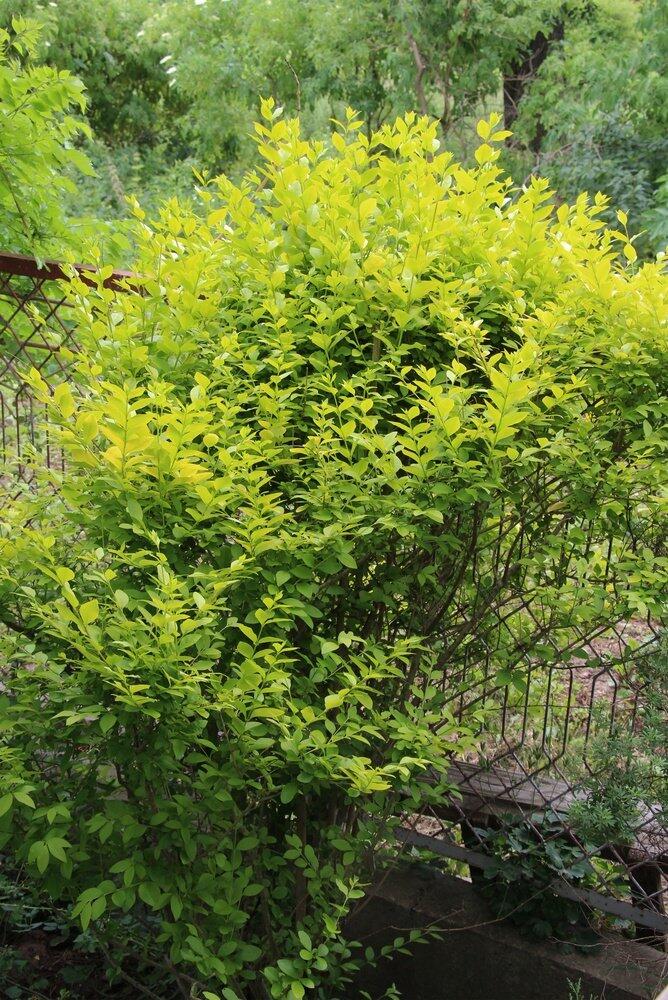
Privet Hedge Plants: Northern, California, and Wax Leaf Privet
Privets are frequently used in gardening and landscaping due to their distinctive appearance and practicality. Of the wide varieties available, the Northern Privet, California Privet, and Wax Leaf Privet are often favored for their diverse characteristics.
Other than being ornamental, they are useful for marking property lines, hiding unsightly views like work areas or trash bins, and creating privacy. We have privet hedge plants for sale in different sizes, so you can match the hedge to the height you want.
In recent years, the common European privet has been for sale in some states because of its aggressive nature. But with careful species selection and thoughtful placement, privet shrubs can be an excellent choice for your landscape project.
Their dense, glossy green leaves, fragrant white flowers, and tolerance of part shade make them a natural fit for hedges and living fences. Check your state's invasive plant list before planting.
Hardiness, Light and Soil
When you are comparing the different privet hedge varieties for sale, consider zone first. Northern Privet (Ligustrum × ibolium) grows in USDA zones 4 to 8 and is the cold-hardy choice. California Privet (Ligustrum ovalifolium) suits zones 5 to 8, and Wax Leaf Privet (Ligustrum japonicum) belongs in zones 7 to 10 as it prefers warmer gardens. Northern and California Privet are semi-evergreen, holding their leaves through mild winters and dropping some or all of them in hard cold. Wax Leaf Privet usually stays evergreen.
Their fragrant flowers attract pollinating insects including honey and bumble bees, wild bees, beneficial hover flies, butterflies, and moths. Privet plants are well-suited to urban soil conditions and can tolerate periodic hot, dry spells and clay soils. All three of them thrive in partial shade or full sun, but the hedge stays thickest in full sun.
Uses in Landscaping
Privet hedge plants are typically used as privacy screens. Property boundaries, windbreaks and noise buffers, foundation plantings, screens around utility and irrigation boxes, formal hedges, and topiary are some of their other popular uses.
Low maintenance does not mean no maintenance. You should shear a formal hedge two or three times during the growing season and give an informal screen a trim right after it flowers. When you trim it after bloom, most of the berries get removed, preventing birds from spreading seedlings into nearby woods.
Choosing Among Our Privet Hedge Plants for Sale
Among the three privets we offer, each suits a different hedge height and climate.
Northern Privet
Northern Privet (Ligustrum × ibolium) is a hybrid of California Privet and border privet. It handles colder winters quite well and can grow to 8 – 12 feet tall fairly quickly. Its small white flowers open in clusters in late spring, attracting bees and butterflies. Out of the three, it’s the best choice for a tall hedge in northern gardens.
California Privet
Another semi-evergreen shrub for homes and gardens is the California privet, also called California box-leaved privet (Ligustrum ovalifolium). Despite the name, it comes from Japan and Korea. Its dark green, shiny foliage stays neat and dense with regular trimming. California Privet grows quickly to 10 to 12 feet tall, which makes it a natural choice for a privacy screen. It also produces small, fragrant white flowers in late spring, which attract a variety of pollinating insects.
Wax Leaf Privet
Wax Leaf Privet (Ligustrum japonicum) has thick, waxy leaves that make it an attractive evergreen shrub in warm climates. In the Deep South and along the Gulf Coast, it is the evergreen pick among our privet hedge plants. The plant grows to heights of 10 to 15 feet and widths of 10 to 12 feet in the average garden. Its dark green, glossy leaves look good all year. In addition, Wax Leaf Privet produces clusters of small white flowers during the spring, which give way to clusters of black berries that attract birds.
Growth Rates Compared
When it comes to growth speed, California and Northern Privet grow the quickest. They fill in fast, often adding 2 to 3 feet a year after they’ve established. Wax Leaf Privet, on the other hand, is slower to grow, but keeps its leaves throughout winter.
Planting a Bare-Root Privet Hedge
This plant ships bare root. We dig our privet while it is dormant, so you should plant it as soon as you receive the box. Soak the roots for an hour, then set the plants 12 to 18 inches apart in a single row for a dense hedge, or 2 to 3 feet apart for a looser screen.
After planting, cut each stem back by about half. This forces new branches low on the plant, and that is what keeps a privet hedge full all the way to the ground. Water it weekly through the first summer whenever rain falls short.
If you prefer a long row, plan on two plants for every three feet at 18-inch spacing. A 25-foot hedge takes about 18 plants, which is why our 5 and 25 shrub packs are the better value for most hedges.
Planting & Growing Information
• Planting Zone: 4-10, depending on variety
• Height at Maturity: 8-15 Feet
• Care: Low maintenance. Trim right after it flowers in early summer, and again in midsummer for a formal hedge. A small amount of fertilizer in spring is all it needs.
• Exposure: Privet plants flourish in full sun to partial shade. They prefer at least 4-6 hours of direct sunlight but can tolerate some shade.
• Plant Attributes: Great for a privacy hedge, cold-hardy options for Zone 4, fast-growing Northern and California varieties
For more tips on planting, trimming, and maintaining a healthy privacy hedge, explore our Privet hedge guide. You can also browse our collection of shrubs to discover more options for privacy screening and landscape planting.