Kathy Duke
Terrific healthy plants, timely delivery, more than expected and growing well.

Dutchman's Breeches
Ships Now
3-7
Under 12"
Moderate
Partial shade and Shade
Spring
Dutchman's Breeches thrive in well-drained, organic soil. Keep the soil always damp but not soggy. They benefit from occasional fertilization in early spring. Remove spent flowers to encourage neat growth. Allow foliage to die back naturally for best results.
Dutchman's Breeches (Dicentra cucullaria) thrive in dappled or partial shade. This woodland perennial prefers the filtered light of a forest understory, which mimics its natural habitat, providing excellent, indirect sunlight that supports its delicate foliage and unique blooms.
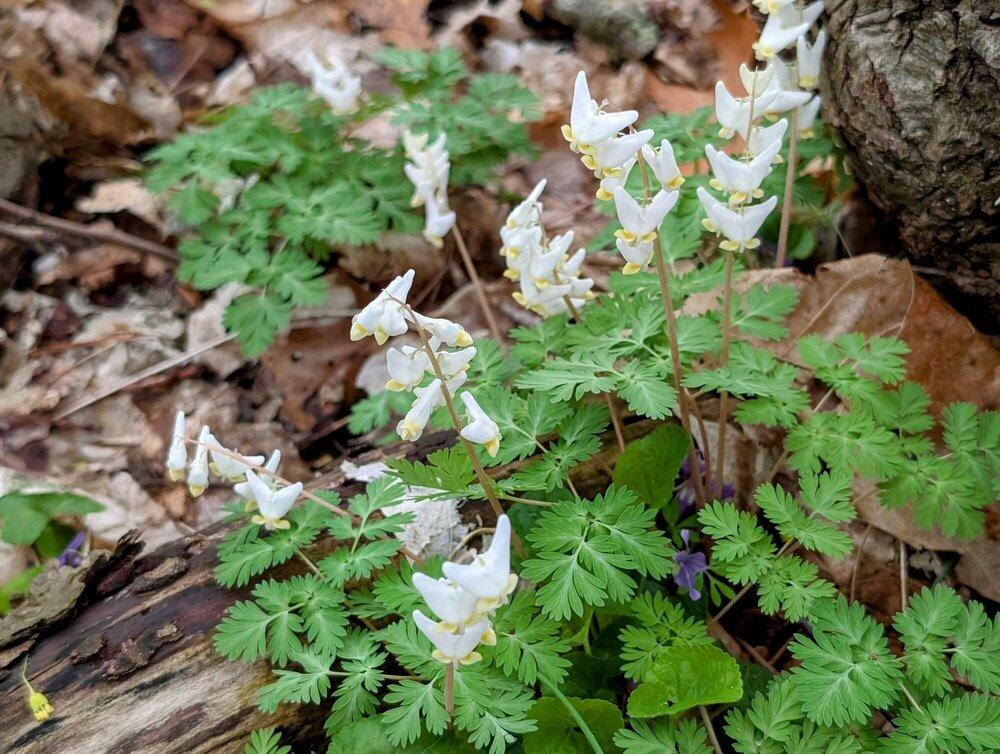
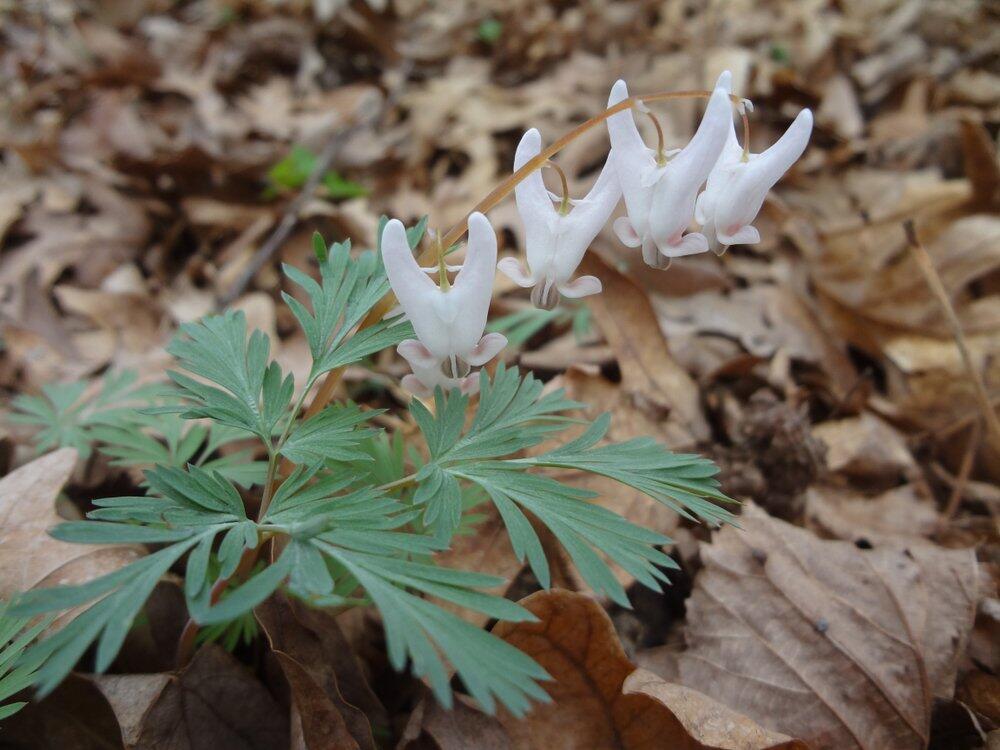
Bloom resembles little pants , Rare and unique find in a garden, Sweet aroma & pollinator love them
Kathy Duke
Terrific healthy plants, timely delivery, more than expected and growing well.
C.
Poor reviews are not posted. I did not receive my Dutchman's Breeches in my order and received silence when I reached out to fix the issue.
Deborah Rudis
I am thrilled at how great these tubers were after shipping to Alaska. Thanks for taking such good care In packaging and shipping.
About this plant
The Dutchman’s Breeches (Dicentra cucullaria) perennial is a charming herbaceous perennial native to eastern North America. Its leaves are featherlike and reminiscent of ferns, and they form compact clusters in the shape of a tiny 6—to 12-inch-tall bush. This Dutchman's breeches plant blooms around mid- to late spring before the deciduous overstory leaves have filled in. The leaves form a delicately arching raceme, and the pendant-like flowers hang upside down in a dense line.
While this plant prefers moist, humus-rich, fertile soils, it can tolerate a range of soil pH levels. It will not do well in dry soil, so make sure to plant it in a consistently moist, well-
Family: Fumariaceae
Hardiness Zones: 3 to 8
Light Requirement: Partial to full shade
Water Needs: moderate to moist
Height: 6 to 12 in
Spread: 6 to 8 in
Growth Rate: Moderate
Bloom Time: April–May
Flower Color: White with yellow tips
Wildlife Value: Attractive to pollinators
As the Dutchman’s Breeches is an early bloomer, it provides a reliable nectar source for early emergent bees. In fact, bumblebees are the most effective pollinator for this plant as they can sufficiently open the inner and outer parts of the flower for pollination, and these adorable flowers have adapted to be dependent on bumblebees for their reproduction.
Once the seeds have ripened in late spring, the plant dies back and the root system stays dormant throughout the summer. While these plants are relatively ephemeral, their short-lived presence in the garden (or natural environment) is a heart-warming reminder that spring is here and warm weather is coming!
While it is tolerant of full shade, the lack of light will impact flower production. Preferably, plant this herbaceous perennial in partial shade with dappled light. Dutchman's breeches are an attractive addition to a woodland garden and make a charming ornament to the base of established trees for an extra pop of fluffy green foliage on the barked trunk.
Dutchman's Breeches will spread and can cover a fair amount of area over a few years. It makes a great ground cover, underplanting for shrubs, and woodland gardens. It can be propagated through plant division. Be wary, as slugs will take advantage of the tender leaves of this plant; however, once established, it is rabbit-resistant and predominantly disease-free.
Dutchman's Breeches are attractive to bumblebees, have adorable pant-shaped flowers, and are low-maintenance. Plant these charmingly delicate flowers in the shady area of a pollinator garden to attract bees and butterflies to your yard. Shop for Dutchman’s Breeches online at TN Nursery.

Since 1959, TN Nursery has grown and shipped quality bare root plants nationwide. Shipped during dormancy, bare-root plants develop strong root systems and establish quickly. Our experienced team carefully harvests and packages every order, providing growers with trusted plants backed by over 65 years of nursery experience.
Learn More About
Bare root trees
Natural Woodland Appeal:
With their delicate, arching stems and unique flower shape, Dutchman's Breeches evoke a natural, woodland charm. They blend seamlessly with other shade-loving plants and enhance the overall beauty of a naturalized garden setting.
Charming Floral Design:
Dutchman's Breeches showcase creamy white or pinkish flowers resembling old-fashioned Dutch pantaloons hanging upside-down. Their outer petals form a distinctive 'V' shape with yellow-tipped bases, adding a whimsical touch to any garden.
Ideal for Shaded Areas:
Perfect for wildflower and woodland gardens, Dutchman's Breeches thrive in shaded spots under mature trees, making them an excellent choice for adding beauty to low-light areas
Low-Maintenance Growth:
Grown from corms, which multiply underground, Dutchman's Breeches are easy to propagate by dividing mature corms. They require minimal maintenance once established, making them a hassle-free addition.
Fall Digging
Spring Digging
Packing Orders
Customer Unboxing Video
I’m very happy with my Dutchman’s Britches! It arrived healthy and well packaged, and the unique little flowers are absolutely charming. It’s such a beautiful woodland plant.
Dutchman's Breeches is such a charming little woodland plant. Mine arrived bare root and I planted it in rich soil beneath my trees. The unusual flowers are adorable and it looks wonderful mixed with my other native spring plants.
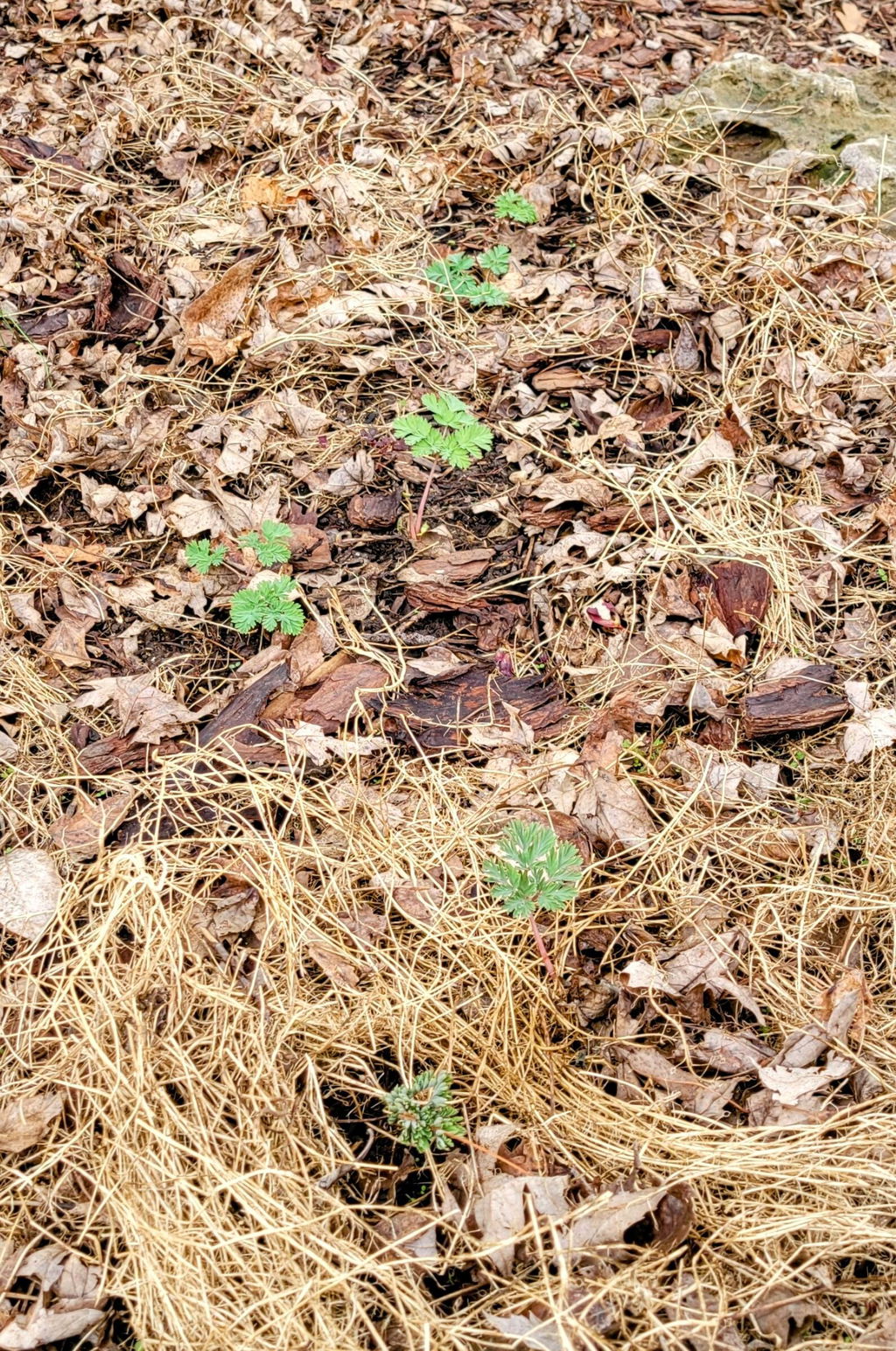
They **** came up at all last spring, so I was very pleased to see them pop up this spring!
Terrific healthy plants, timely delivery, more than expected and growing well.
These plants are stunning! They settled in right away and are already showing strong growth. TN Nursery did a fantastic job with packaging and shipping.
I ordered Dutchman’s Breeches and received them within a week. All plants were healthy, and every single one is growing beautifully. Highly recommend!
The flowers are unique and eye-catching. They bloomed just as promised, and I’ve already had neighbors ask where I got them. TN Nursery is my go-to now.
The plants came well-packed and survived shipping. They are doing well so far, just not as fast-growing as I expected. Still, very pleased.
I havent grown Dutchman’s Breeches before, but they look lovely in my shaded garden. Took a little time to settle in, but worth it.
My order arrived quickly, and the plants looked fresh. They are already sprouting little blooms. I just wish they came with more detailed care instructions.
I am very excited to see how well my plants will do. TN nursery was great and I got my package pretty quick. It also seemed like I may have gotten a little more than what I ordered, which was nice!
The Dutchman’s Breeches plants I received are thriving. They arrived in excellent condition and are perfect for creating a natural, wildflower look.
I couldn’t be happier with my Dutchman’s Breeches purchase from TN Nursery. They took to the soil quickly and are already sprouting beautifully.
These Dutchman’s Breeches plants were exactly what I hoped for. They were shipped healthy and are adding natural woodland beauty to my landscape.
TN Nursery delivered my Dutchman’s Breeches in excellent shape. The roots were strong, and they are growing well with no issues at all.
The Dutchman’s Breeches I ordered were fresh, healthy, and ready to thrive. They’ve added a delicate charm to my shade garden and are flourishing wonderfully.
I’m so impressed with the Dutchman’s Breeches from TN Nursery. The plants settled into my woodland garden perfectly and are already showing strong growth.
My Dutchman’s Breeches order from TN Nursery came in excellent condition, carefully packaged and ready to plant. They are thriving beautifully in my shade garden.
Poor reviews are not posted. I did not receive my Dutchman's Breeches in my order and received silence when I reached out to fix the issue.
I am thrilled at how great these tubers were after shipping to Alaska. Thanks for taking such good care In packaging and shipping.
nothing has emerged out of the pots I planted them in...all of the plants I ordered?? order # 100242596 Did they freeze when they were shipped to me?
had them in the woods as a kid and missed them so much, have perfect spot next to rainbarrel, so plenty wet
Well packaged and in great shape!! I ordered one but there were several babies included which was a nice bonus! They were so healthy, would highly recommend!
The nursery website was easy to use and I will decide on the quality of the plants as they grow.
Super service and great product. I ordered a plant that is unavailable anywhere else and got it quickly and in perfect shape. Five stars out of five
The blooms on this plant are very unique and beautiful. Looks great in my gardens! Very pleased with this plant.
These plants were shipped quickly and were an excellent quality.
The blooms on this plant are very unique and beautiful. Looks great in my gardens!
These flowers have so many uses and are a great addition to any garden.
Absolutely love the unique blooms that this flower gives. They are amazing
Hardy and a strong grower. Please with my plants and I will be a returning customer.