Deborah Tulp
Received them yesterday and put them in the ground, new buds were showing. Can’t wait for them to grow and blossom.

Pink Dogwood Tree
Ships in Spring 2027
5-9
Under 25 Feet
Low, Moderate, and High
Full sun
Spring/Early Summer
Pink Princess Dogwood thrives in well-drained soil and benefits from regular watering, especially during dry periods. Trim after flowering to remove any dead or damaged branches. Watch for pests to keep the tree healthy and vibrant.
The Pink Princess Dogwood thrives in partial shade to full sun. It prefers morning sun with afternoon shade for optimal growth, especially in hotter climates. This balance helps protect it from intense heat while ensuring sufficient light for blooming.
Beautiful pink spring blooms , Wonderful ornamental tree, Great for attracting pollinators
Deborah Tulp
Received them yesterday and put them in the ground, new buds were showing. Can’t wait for them to grow and blossom.
Susan
I bought 3 of these transplants for delivery mid April. Our spring weather turned much colder and rainy and I was unable to plant for some time. I thought I had lost one, as the stem stayed green and pliable, but with no leaves growing. Much to my surprise, I spotted 2 tiny leaves emerging this week. You offer quality transplants at a reasonable price. Thank you!
Samantha Padgett
I got my dogwood trees stand they look so healthy. We got them in the ground right away. Thanks I will definitely be ordering more things from this company.
About this plant
Few trees in all nature show in beauty and grace so many of the individual charms possessed by the Pink dogwood tree․ Of the many members of the dogwood family found in this country‚ this particular variety has been received with special favor for these reasons․ The flowering tree is not just a tree․ It's an experience․ It has tender and flowing branches and flowers look-in-dream-like․ It invites everyone passing by‚ sheltered by its shade‚ to share a moment in a fresh life in the middle of nature and greenery․ The study of the features and of the role of this great tree in nature and in culture adds in-depth knowledge of the plant and the facts around it․
At this height‚ the tree is at an approachable scale that does not dwarf its neighbors․ The dark green leaves give shade in the summer months‚ and are host to a variety of birds and small mammals during this period of the year․ The tree is known for its flowering event‚ which produces a mass of large‚ white flowers surrounded by bracts during the spring season‚ creating a spectacular display․ They're almost like petals‚ creating what appears to be a magical flower hovering above the leaves․ It's a very powerful image to people and to pollinators․ In the fall‚ the leaves turn red and gold and add to the glamor of the already stunning tree․
Apart from its physical appearance‚ the dogwood has meanings in several cultures․ It is often associated with strength and resiliency‚ blooming in the worst of conditions․ The tree appears in some legends and folklore․ One story claimed the wood from the tree was used to make Christ's cross‚ which made the tree sacred․ In an urban setting‚ the Pink dogwood symbolizes hope and renewal․ The flower is a popular plant in gardens and parks to bring happiness and peace․ The flowers are said to forecast the arrival of spring‚ after a winter that is often seen as melancholic and cold because of the loss of life and plants․ They represent the cycle of life‚ death‚ and rebirth․
The flowering time of the Pink dogwood tree is during the first few weeks of spring‚ where the tree blooms beautiful white flowers‚ signifying its beauty and uniqueness․ After the last frost has preceded the present flowers of spring‚ the tree puts on an amazing display lasting for several weeks․ This tree attracts bees and butterflies‚ so that life continues to survive and develop in its habitat․ In addition‚ the blossom appears simultaneously as the bright green leaves‚ which contrasts beautifully and makes this dogwood tree even more beautiful to the eye of the beholder․ When the tree begins to bear small‚ red fruit later in the summer of the next year‚ the fruit are food for birds and other wildlife and the tree becomes part of the local ecosystem․
The Pink dogwood tree is an excellent addition to formal garden bed planting‚ and may be used to add to the tree canopy in a park‚ green‚ or courtyard setting‚ or as a specimen in an individual yard to improve the aesthetics of the landscape․ This tree has the great advantage of moderate size and attractive branching habit‚ which renders it suitable for planting under wires and in small home gardens‚ and its use as a specimen tree gives much interest in every season for an important portion of the year‚ for it is a flower in spring‚ a shade tree in summer and a riot of autumnal color․ The pink dogwod tree is a natural beautifier for your environment and reminds us that greenery and nature are an integral part of our lives and of any environment that is called beautiful and fresh․
Its distinctive characteristics‚ cultural importance‚ flowering pattern‚ and versatility in gardening contribute considerably to biodiversity and human experience alike‚ making it an important species in a range of ecosystems and habitats․ It is an astonishing tree that represents the idea of the interconnectedness of life and the promise of renewal․ It intertwines the beauty of the four seasons with the resilience of nature‚ reminding us that the legacy of life continues through trees like the Pink dogwood tree․ It is a wonder‚ a fascination‚ a living thing that will keep on blossoming and blossoming for years to come․

Since 1959, TN Nursery has grown and shipped quality bare root plants nationwide. Shipped during dormancy, bare-root plants develop strong root systems and establish quickly. Our experienced team carefully harvests and packages every order, providing growers with trusted plants backed by over 65 years of nursery experience.
Learn More About
Bare root trees
Exquisite Blossoms:
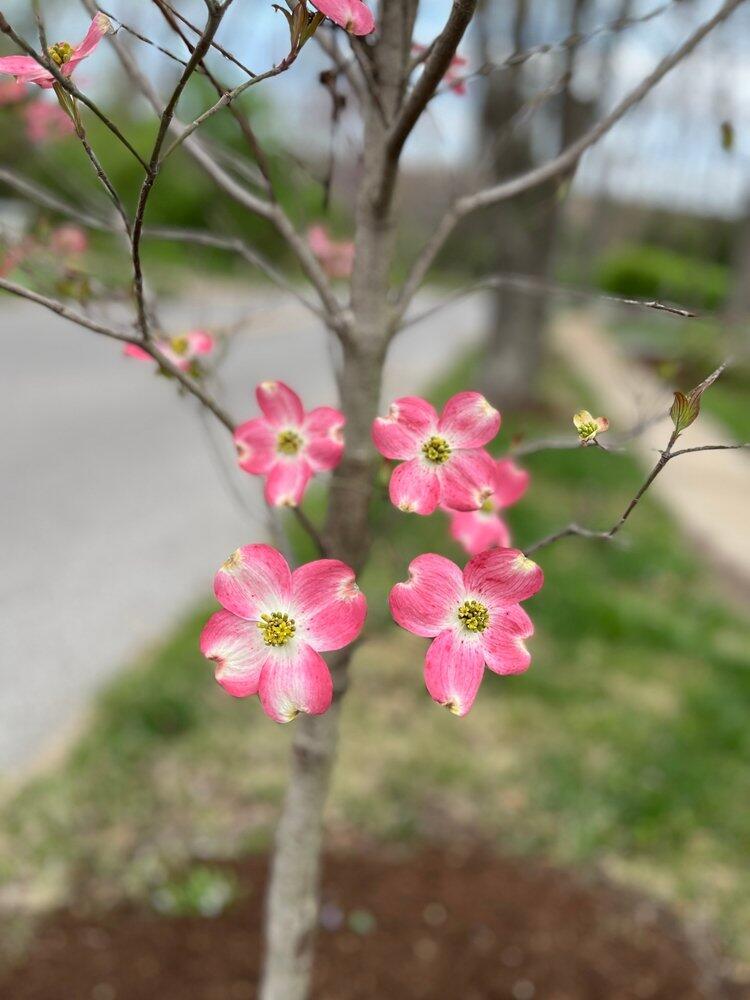
The Pink Flowering Dogwood showcases striking pink flowers that create a captivating early spring display.
Symbol of Grace:
The Pink Flowering Dogwood symbolizes resilience and beauty with its year-round elegant charm.
Wildlife Friendly:
Its blooms attract bees and butterflies, while the berries provide food for birds.
Seasonal Color:
It offers vibrant green foliage in summer and rich shades of red and burgundy in fall.
Fall Digging
Spring Digging
Packing Orders
Customer Unboxing Video
So excited about my Pink Dogwood. It is very healthy, Thank you !
So far, so good. A bit of a delay in delivery (funky weather caused change in shipping) but overall very pleased with order.
The Pink Dogwood I received was not only healthy, but also had a gorgeous shape with developing buds. TN Nursery’s staff provided prompt support when I had questions. Great company, even better tree.
I was amazed by how symmetrical and full my Pink Dogwood was upon arrival. TN Nursery clearly takes great care in how they cultivate and ship their trees. It’s now the star of our spring garden.
Right after planting, my Pink Dogwood began sprouting vibrant leaves and soft pink buds. It adds instant charm to our front yard. TN Nursery truly provides landscape-enhancing trees.
The blooms on my TN Nursery Pink Dogwood are breathtaking—light blush petals that look like watercolor. The tree was expertly pruned, well-moisturized, and packaged securely. It’s thriving beautifully.
From website to doorstep, TN Nursery made it easy to order my Pink Dogwood. The tree arrived vibrant and ready to thrive. It now brings soft elegance and subtle fragrance to our garden path.
I was beyond impressed with the speed of delivery and the health of the tree. The Pink Dogwood had strong branches, rich bark color, and was already budding. TN Nursery does not cut corners on quality.
My Pink Dogwood from TN Nursery arrived lush, well-rooted, and packed to perfection. After planting, it adjusted quickly and is now showcasing soft pink blossoms that light up my landscape. Truly a picturesque tree.
After reading tons of negative reviews, I had pretty much kissed my payment goodbye! When they were received, they looked pretty good. But, after having my pink dogwoods in the ground for a while, they are both leafing out and looking great!
Received them yesterday and put them in the ground, new buds were showing. Can’t wait for them to grow and blossom.
I bought 3 of these transplants for delivery mid April. Our spring weather turned much colder and rainy and I was unable to plant for some time. I thought I had lost one, as the stem stayed green and pliable, but with no leaves growing. Much to my surprise, I spotted 2 tiny leaves emerging this week. You offer quality transplants at a reasonable price. Thank you!
I got my dogwood trees stand they look so healthy. We got them in the ground right away. Thanks I will definitely be ordering more things from this company.
Love the pink Dogwood trees
Fast delivery
The root systems looked strong and full - they were not dried out as some trees I've bought elsewhere. They were trimmed, which was a surprise, but they had to fit in the box I suppose. They had not yet sprouted, so there was no damage to any new growth. I have worked in the IN State Forest Nursery, and a private tree nursery, so when I say I was pleased with the trees and their handling, I know what I'm looking at.
Peace, Matthew Fallon
So happy to have my dogwoods planted. I know they will blossom and be such an added joy to my landscape. The packaging was terrific and the trees were substantial.
Excited to see how they do!
Received quickly and well packaged, gave BOGO to family for planting, time will tell how they do...
We received two trees with the buy one get free. I was happily surprised as I had neglected to ask for two. They arrived well packed and looking healthy. They are bare root, so we look forward to their progress.
Received protected and the roots wrapped and damp. Looking forward to seeing it grow, and eventually bloom.
I am very pleased with my order from TN nursery and will definitely order again.
Pink Flowering Dogwood
Everything worked out well - highly recommend TN Nursery!
Received quickly, very well packed, only terse planting instructions in general terms. Jury is still out on wheether they will revive.
I'm excited to plant the beautiful plants (trees) I received yesterday! Weather and being sick prevented me today. They are all 4 trees (3'-4' tall) absolutely gorgeous and I know they will do just as my 6 peach trees I ordered from Tenn nursery last year.. Great company to order from and fantastic/gorgeous plants!
The pink dogwoods looked nice when I received them. I planted them as instructed right away. Now I wait to see what they become.
I received a Pink Princess and Cherokee Chief on May 4 in excellent condition. The packaging was done with great care for both plants. They seemed to "wake up" immediately after unwrapping. I planted the next day and just over two weeks, they are now sprouting.
the princess had leaves on arrival and they stayed healthy and are now growing a little . Cherokee chief had green branches and stouk ?sp? but did no growing. finally two buds have developed on the main trunk , so i think he is going to make it.
The tree arrived in excellent condition and looks great. The young lady I spoke to on the phone was very helpful and polite. Thanks for everything.
Looks very healthy, waiting for it to bud out
looked good, got them in the ground, waiting on leaves!