
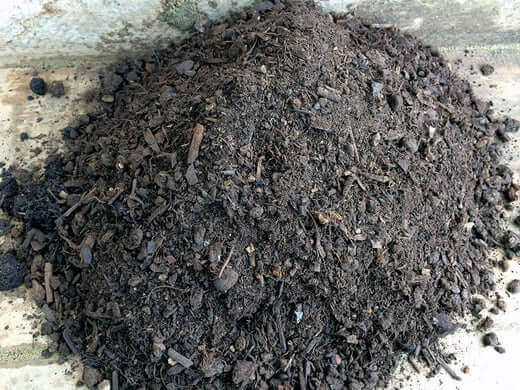
Soil has been called the base of life on Earth‚ providing for the plants that support all other forms of life․ Because soil provides the foundation on which plants grow‚ its quality affects the growth and health of plants‚ and the quality of life at higher biological levels․ This situation is maintained by the right balance of nutrients‚ an appropriate pH‚ and a suitable soil texture․ Also‚ the soil is not just a medium for growth; it is a living system that hosts microorganisms‚ insects and other animals‚ including small mammals․ Each of these factors is essential to the soil's health‚ which is a vital part of the picture of how complex and interdependent this life cycle is․ By the time we get to soil quality and the balance of nutrients that plants derive from it‚ we are talking about keeping this vital resource alive․
Erosion
The most destructive phenomenon that occurs in the soil is erosion․ It removes the top-most soil layer‚ which is the most fertile and productive part of the soil․ Soil erosion further changes the soil chemistry by reducing the soil's ability to hold water and nutrients․ Soil erosion can happen for many reasons‚ including heavy rainfall‚ wind‚ and human activity․ The effect on the environment in the wake of the rains can be far-reaching․ The fields lose nutrient-rich soil‚ leaving behind more barren soil‚ leading to a reduced number of crops that the field can sustain․ Farmers use larger amounts of artificial fertilizers to sustain agricultural production‚ which then causes further soil nutrient imbalance‚ and other effects of soil degradation include reduced water quality‚ as the sedimentation of rivers and other water bodies increases due to soil haul off the land due to soil degradation․
In addition to crop production‚ fertilizers can cause a wide range of other impacts‚ from their influence on the quality and fertility of soils in general․ Over time‚ excessive or inappropriate use of fertilizers can create a nutrient imbalance that favors the accumulation of some nutrients over others‚ or cause soils to become dependent on the presence of fertilizer-nutrients to maintain long-term soil fertility․ The use of synthetic fertilizer may also disrupt the microflora of healthy soil‚ leading to eventual biodiversity loss․ Run-off from farmland which has been fertilized with synthetic fertilizer can also release the negative contaminants into the local waterways‚ subsequently causing algal blooms․ Furthermore‚ although fertilizers may help to provide nutrients for the plants in the short term‚ they can also harm the surrounding environment․
Soil PH
Soil structure and texture‚ along with soil pH‚ contribute to soil quality․ Soil pH is the level of acidity and alkalinity in the soil and its overall effect on the bioavailability of nutrients in the soil․ Since most plants prefer a neutral pH‚ soil that is either extremely acidic or extremely basic can limit the availability of certain nutrients such as iron and phosphorus․ Some micronutrients may be unavailable in acid soils‚ and deficiency of these nutrients can inhibit plant growth and limit crop yields․ Soil pH monitoring at regular intervals is necessary for crop producers and gardeners․ It is necessary to add lime or sulfur as needed to produce a crop with the pH maintained at an acceptable level․ Therefore‚ knowing and controlling pH is of primary importance to ensure the plants are getting nutrients in order to survive and to maintain the environment․
Soil texture - the proportion of sand‚ silt and clay in the soil - determines how well soil retains water and nutrients․ Sandy soils drain quickly and require frequent watering‚ while clay soils retain water longer but can become compacted and impede the growth of plant roots․ Loamy soils‚ made up of sand‚ silt and clay‚ are thought by most to be the best for cultivation‚ as they include the benefits of all three textures․ Optimizing loamy soil use is more than simply just deciding where to plant․ Instead‚ practices such as crop rotation‚ cover cropping‚ and organic amendments are used to keep the soil healthy and productive․ Farmers who know the importance of the soil texture will often be engaged in practices to improve infiltration‚ limit erosion‚ and improve the soil and its productivity․
Improving soil
Sustainable practices to improve soil stewardship include no-till farming‚ a farming practice to reduce soil disturbance which can also protect soil structure and biological activity and practices to improve a soil's biological‚ physical and chemical function․ Building on the biological‚ physical and chemical function of a soil can include increasing its organic matter content by composting․ Agroforestry‚ planting trees in and around crops can assist with nutrient cycling and reduce evaporation by providing shade․ Farmers who understand natural processes can build healthy soil systems and reach a balance with ecosystem fauna and flora․ This can improve the quality of the soil and food security‚ protect biodiversity‚ and increase resilience to the impacts of climate change․ Such practices by farmers are highly desirable‚ thus requiring effective education․
The importance of maintaining plant nutrients in the soil becomes clear․ Productivity can be maintained if the soil or its nutrients can be made to last and the soil made strong against erosion․ Fertilizer use‚ pH and texture have a major impact on soil․ They are important for both agricultural sustainability and affecting the environment․ Texture‚ pH and nutrients are all linked․ Good sustainable practices can improve and add to soil and all that it contains for future generations of humans․ As soil stewards we have an obligation to the land and to ourselves to build and conserve soils․ The health of our crops‚ our ecosystems‚ and our communities is intricately connected to the health of the soil beneath our feet․


