
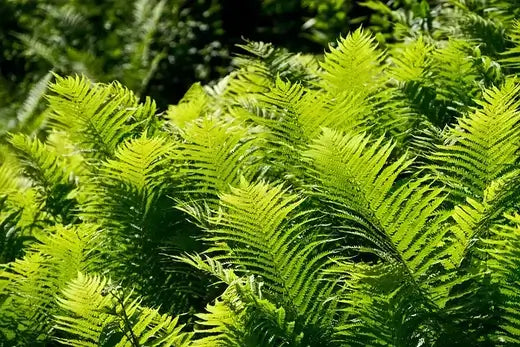
Why Native Ferns Belong in Your Tennessee Garden
These ferns‚ native to Tennessee‚ are not swayed by all those fancy flowering plants that everybody wants and that must be coddled through a Tennessee summer․ Clay soil‚ too much or too little moisture‚ deep shade under older trees‚ or rain falling at unexpected times‚ Christmas Fern‚ Maidenhair‚ Lady Fern and their kind know how to handle it․ As proven survivors‚ once established they tend to ask for very little in terms of upkeep․
First‚ a brief synopsis of why to grow the native ferns‚ and how to grow them well in Zone 6b through 7b․
What Makes a Fern ““Native””‚ Exactly
These native ferns have been growing in your area long before any Europeans settled there․ They don't depend on people to get them through the winter․ The native Southern Maidenhair Fern (Adiantum aerugineum)‚ Lady Fern (Athyrium felix-femina)‚ Bracken Fern (Pteridium aquilinum) and evergreen Christmas Fern (Polystichum acrostichoides) will survive almost any mild Tennessee or Southeastern winter without any extra care․ These native ferns evolved with the soil fungi‚ insects‚ and rains of this environment thousands of years ago‚ and in a normal garden environment the non-natives will not reliably survive Tennessee or the Southeast‚ outside of a greenhouse․
There are extremes: Maidenhair Fern with its ferny‚ filamentous leaves on wiry black stems‚ and Ostrich Fern with its enormous vase-shaped fronds three or four feet (1-1․2 m) high in ideal moist conditions․ Bracken Fern is tougher and more sun and drought tolerant than most ferns․
The Environmental Case for Planting Them
Ferns do not flower or produce seeds‚ so they are often overlooked when considering plants for a pollinator garden․ However‚ they provide additional structural habitat․ Dense fern thickets provide cover and moisture for small amphibians‚ ground nesting birds and insects that over winter in the leaf litter․ A tree line with dense cover of Lady Fern provides the cool‚ moist micro-climate which salamanders need and the small‚ essential micro-organisms which are not available in the more open areas of lawn․
They are silent champions of erosion control․ The fern rhizomes form a mat just below the surface of the soil that holds the soil more tightly to the hillsides during the heavy rains of spring‚ when the clay slopes anywhere in Middle or East Tennessee can wash away․ Establishing a fern on a slope or streambank takes less maintenance than applying mulch to the area‚ because the fern roots form mats which hold soil in place when the mulch has washed away․
Why They're Actually Low-Maintenance (Not Just Marketing)
Native ferns are accustomed to the rainfall in their natural habitats and once established (generally one full growing season) require no additional watering apart from extended periods of drought (two weeks or more) and require little or no fertilizer if planted in reasonably good organic soils found in most gardens․ The pests are almost non-existent in this area of the country and deer won't eat them‚ so they make an excellent border along a wooded property line․
Compare that with a non-native companion like Japanese Painted Fern‚ much more beautiful but less hardy‚ for it likes constant moisture and suffers in the hot dry August of an Ottawa summer more than the Southern Wood Fern does․
Practical Planting Guide for Tennessee Gardens
Time of planting: The best way to grow bare roots and potted British ferns is from March to April and September to October each year‚ when the soil is warm and damp‚ as roots will not develop in July and August‚ and from winter onwards it will be too cold․
They all prefer near full shade under oaks or maples or the north side of houses‚ Christmas Fern and Lady Fern tolerating more sun‚ if the fronds are kept moist․ Brown scorched fronds or plants that are 'burnt' by the middle of summer indicate too much afternoon sun․
Soil: Ferns will grow best in a loamy humusy soil with a pH of 5․5 to 6․5․ Unless native Tennessee soil has been ameliorated it is probably heavy‚ compacted clay soil․ If possible‚ mix two or three inches of compost or old leaf mold into the bed rather than just into the hole you dig for the ferns so the roots have more room to grow․
Watering: Deeply water twice a week for the first six to eight weeks until established․ After that‚ only if the weather remains dry for an extended period․ The far more common problem in poorly-drained soils is overwatering‚ and this causes root rot‚ with black mushy rhizomes and yellowing of the fronds․
Mulching: A two-inch layer of shredded leaves or pine straw simulates the natural leaf litter that protects soil temperature from winter freeze and summer heat․
Dividing: Most ferns can be divided every 3-4 years in the early spring while new fiddleheads are emerging from the ground․ This keeps the colony healthy and gives free plants to fill in other shady areas of the yard․
Beyond Just Your Own Backyard
In addition to being lost to habitat destruction‚ many native ferns share their understorey habitat with intrusive ground covers‚ such as English ivy or Japanese stiltgrass․ Every fern grown in a home garden can support the survival of native ferns‚ and may act as a source of spores to re-populate woodland edges after destruction or disturbance․ In situations like the gardener replanting a wood lot or wooded slope‚ ferns can do an excellent job of providing real ground cover while slower-growing native shrubs or trees gain a foothold․
Getting Started
If you have a shaded area in your yard‚ a wooded border that needs a border‚ or a wet and rooty area where little else will grow‚ TN Nursery has a wide-ranging selection of native ferns‚ including Ostrich Fern‚ Maidenhair Fern‚ and Lady Fern․ Our native ferns have already adapted to the Southeastern soil and weathers‚ and are further along than ferns shipped from another climate zone․
Choose two or three such species and give the soil of the bed just the right preparation the first time‚ and after the second year you will have a fern bed that will ask almost nothing of you except to be divided and mulched anew each autumn․


