
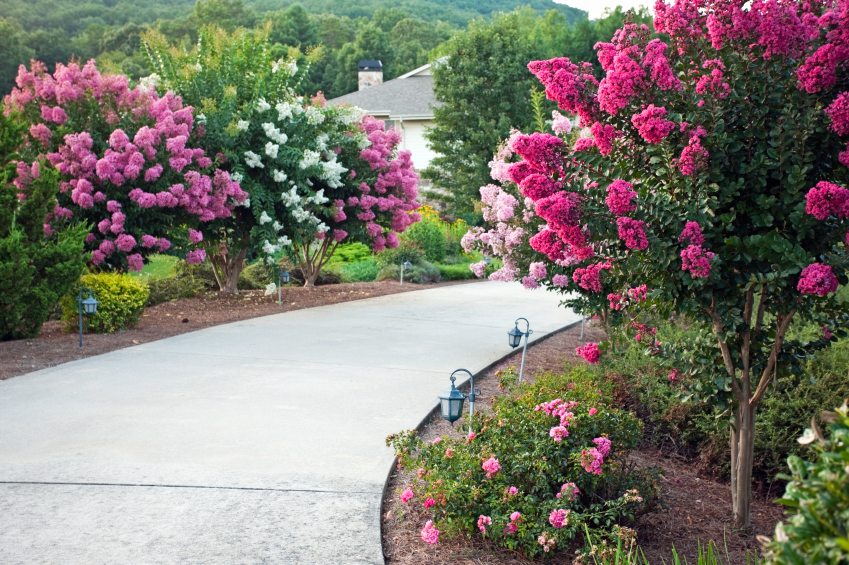
An excellent choice of summer garden trees is Lagerstroemia, also referred to as Crape Myrtle, which is the most spectacular tree that gives a homeowner the best color with less effort. This beautiful ornament provides months of colorful flowers at the time when most other trees have ended blooming and in addition, it can withstand the severe heat and needs very limited attention. It can be used in small spaces and tall landscapes, and because of their sizes, they can fit in any landscape.
This is the full guide on the things you should know about these spectacular summer flowering trees, their main advantage, the best varieties, as well as their easy care needs. A novice gardener or a professional landscaper will find out why the Crape Myrtle collection at TN Nursery has been a favorite among those who want to have spectacular summer flowering that continues into September.

What Makes Lagerstroemia a Summer Garden Favorite ?
The combination of practicality and ornamental beauty is unparalleled in Lagerstroemia and makes it gain such a stellar reputation. The spectacular flowers of these trees are cascading clusters of crape-paper-like flowers in hues of pure white to dark burgundy and this makes the trees have a visual effect that is more accentuated during the hottest months of the year. It can withstand the hot summer climates unlike most ornamentals, which would have wilted and died.
The lengthy flowering season makes Crape Myrtle special in comparison with the competitors. Most trees with flowers last two to three weeks but Lagerstroemia has a floral period of 60 to 120 days and this varies according to the variety and the climatic conditions. This outstanding performance is due to the capability by the tree to generate flowers in new growth during the season so that it keeps on changing the color as old blooms wither.
The main features of Crape Myrtle excellence:
-
Zone 6
zone 6
- Glorious exfoliating bark which lends interest in winter of cinnamon, gray and cream
- Tolerance to drought that has already occurred that needs the minimum amount of supplemental watering
- Most prevalent pests and diseases resistant when well sited
- Fall foliage with bright reds, oranges and yellows
- Flexibility to USDA 6-10 and proper selection of varieties
The experience of TN Nursery has demonstrated that the lagerstroemia trees grow well when planted in areas where they get at least six hours of direct sunlight each day. This exposure to the sun induces flowers prolifically and also prevents powdery mildew that is the most prevalent problem with improperly positioned specimens. The increasing experiments of the nursery have recorded the numbers of blooms on full-grown, well-kept trees up to 200 clusters.
Crape Myrtle is versatile in other ways than the color of the flowers. The smaller forms that take a height of 3-4 feet can fit into container gardens and the smaller city areas whereas the normal forms can have a height of 20-30 feet making them focal points. TN Nursery is selling the Crape Myrtle in various sizes, which gives the gardeners the option on the size of the specimen that will best suit their landscaping situation and aesthetic vision.
Best Crape Myrtle Varieties to Plant This Season
The right way to get the maximum benefit with minimum aggravation out of your landscape investment is to pick the right type of crape myrtle tree. Contemporary breeding programs have come up with better cultivars with stronger disease resistance, lower cold-hardiness, and flower production, which makes the problem of variety selection even more crucial than ever. At TN Nursery, the horticultural team has tested many cultivars to determine which one has excellent performance in the wide variety of growing conditions.
A tree that appears ideal at the garden centre may prove to be a hassle when it grows bigger than the expected area or may need trimming every time so as to fit the space well. Knowledge of the features of each type will avoid expensive landscaping failures and allow keeping the satisfaction in the long term.
The most popular varieties in the home landscape:
Bold Red Varieties:
The Red Crape Myrtle produces dramatic focal points of intense crimson blooms all through the summer. This species is particularly heat-tolerant and preserves the color of the flowers in the long-term conditions when the temperature is over 95°F. The experimental results of TN Nursery indicate that this choice yields flower clusters that are 30% larger than normal red varieties, with each flower cluster lasting 7-10 days to shed off without any debris.
Silver-foliaged plants are the ideal matches to red varieties and make amazing contrasts even with the greens. The rich green summer foliage gives way to burgundy-red in the fall and lasts a long time in most places into October.
Elegant Purple Selections:
Purple crape Myrtle is a perennial that provides elegant colors to any garden; they are deep purple-lavender flowers that diffuse the intense summer sunshine. The variety is also best in mixed borders where its light color blends in with cool and warm-colored companions. The flowers bring the butterflies and humming birds during flowering giving your garden more vibrancy and liveliness.
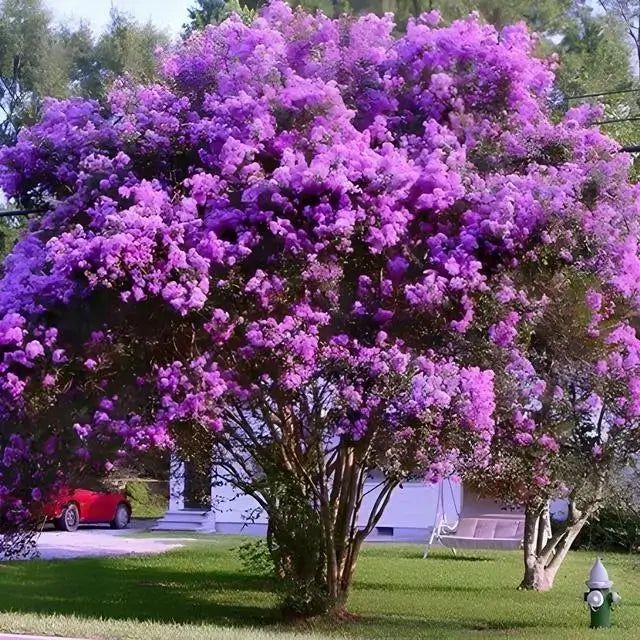
The purple ones tend to be more resistant to mildew as compared to the lighter variants and this makes them the preferred choice in places with high humidity or low air movement. TN Nursery suggests the variety to gardeners in 7-9 zones where the cold hardiness and heat tolerance are in ideal range.
Stately Lavender Giants:
Muskogee crape Myrtle is the best of the lagerstroemia trees to breed, which is characterized by excellent disease resistance as well as reaching a mature height of 20-25 feet. It is a light lavender that gives a light airy and romantic effect especially when used in estates and big homes. The vase-like growth habit of this type of variety needs minimum pruning in order to preserve a good structure.
Muskogee is more cold hardy, and can endure temperatures as low as -5degF with minimum dieback. This is a long distance that enables the Crape Myrtle tree to perform reliably by gardeners in zone 6 which has made the tree geographically attractive to a wide area.
The choice hints on assured success:
- Size to space--two times measure, one time plant.
- Take into account the colour of the bloom in connection with the surrounding landscape and the house facade.
- Check cold hardiness rating equals your USDA zone to be sure of winter survival.
Gardens or parks with mature specimens are suggested by the experts of TN nursery before final varieties are selected. This experience can display growth habits, the actual coloring of the flowers, and the change of the coloring during different seasons, which cannot be fully displayed by the photos.
Key Benefits of Planting Lagerstroemia in Your Garden
There are topics that are well above seasonal flowers in the returns delivered by Crape Myrtle tree planting. Lagerstroemia has been acclimated to all sorts of environments, large city plots to vast suburban spreads, and still remains in excellent ornamental condition, with healthy foliage and an abundance of flowers when others become stressed. This toughness is due to their very deep and extensive root systems that reach moisture levels that would not be available to shallow root plants.
Practical advantages for modern landscapes:
1.Minimal Maintenance Beauty:
Crape Myrtle tree needs very little maintenance over a long period of time when compared to other flowering trees. After being established, normal care would involve yearly pruning, to remove cross branches and dead flowerheads. These trees do not need frequent fertilizing, spraying pests or treating diseases when well placed unlike the roses or any other demanding ornamental.
2.Four-Season Interest
- In the spring, there is a fresh lime-green foliage, turning to deep green at the beginning of summer.
- The beautiful flowers that put these trees on the map are on display in summer, and include flower clusters that take months long to fade away instead of weeks.
- The autumn foliage could be compared to no maple in terms of brightness as it turns yellow, orange, and red and then falls.
- The winter shows the sculptural branching and exfoliating bark of the tree which peels off to show smooth, mottled trunks in shades of cream, cinnamon, and gray.
The multi-seasonal performance also has the effect of making sure that your landscape will be appealing all year round and not go into the background monotony after the flowers are done. Planting is justified simply by the texture of the bark, which forms significant winter silhouettes that establish winter dormant gardens.
3.Wildlife Advantages:
Summer flowering trees such as Lagerstroemia shelter useful insects, butterflies and hummingbirds during their protracted flowering. The flowers of the plants get the nectar that is a source of vital food in the late summer when there are many spring-blooming plants that are over. It is such a pleasant ritual on a day to day basis as you see hummingbirds flitting around your Crape Myrtle when it is in full bloom.
The heavy branching habitats provide good nesting places to the songbirds, the seeds also fall and produce winter meals to the finches and other seed feeding species. This environmental offering increases biodiversity to your house and establishes a living linkage with the nearby wild animals.
4.Value Addition on property:
Professional landscapers always recognize mature and well-kept Crape Myrtles as an important value addition to the residential real estate. Research on real estate indicates that old ornamental trees add 5-10 percent to real estate at the same time that an individual Lagerstroemia tree can be recognized at a premium price due to their appearance all year round and minimal maintenance needs.
The comparatively rapid growth of the trees implies that even young ones are swiftly growing their presence and impression compared to other slow-growing trees that may take decades before they acquire any landscape value.
How to Plant and Care for Lagerstroemia with Minimal Effort ?
Effective crape myrtle tree planting would start with the proper choice of the site and soil preparation. These cornerstone choices have the power to make your tree grow easily or to have it persistently struggle with some issues that can be avoided. The more than decades of experience of TN Nursery have singled out a set of practices that guarantee health and strong establishment without the need to spend much on continuing the process.
Planting guidelines:
Site Selection
- Needs all day sun (at least 6 hours of direct sunlight a day)
- Required to be flowering fully and resistant to diseases
- Shade brings about scanty blooms and powdery mildew
Site Preparation
- Select drainage soil (not standing water)
- Test drainage: 12 -inch hole must empty in 24-hours
- Accepts clay to sandy soils provided that it has sufficient drainage
- Add 3 inches to 4 inches compost to heavy clay in a 3 feet circle
Planting Process
- Bigger by half the root ball in width of hole, depth.
- Root flare raised a little above the ground.
- Native soil only Backfill.
- Thoroughly water after planting.
- Use 2-3 inches mulch (leave 4-6 inches off trunk)
First-Year Care
- Water profoundly once in a week in seasons of dryness (10-15 gallons)
- The deep watering promotes development of downwards roots
- Skip fertilization in the first year
Ongoing Maintenance
Pruning
- Prune during late winter/ early spring
- Do not use too much topping (crape murder)
- Cut out overlapping branches, suckers and withered flowers
- Thin interior for air circulation
- Remove growth before graft union
Minimal Care Approach
- Within 3 years, water in extreme cases of drought (2+ weeks) only
- Normal rainfall is normally adequate
- Unfrequently requires fertilizing
- Water spray (does not use pesticides) to control aphids
- Provide good insects to deal with the pests in a natural way
Beginner-friendly care tips:
- Deep but low watering instead of frequent shallow watering
- The mulch once a year to keep down weeds and keep the soil moist
- Conserve with Crape Myrtle maintenance Prune less is more
The technical support group of TN Nursery is still ready to help with particular questions regarding the care of Crape Myrtle and this is indicative of the nursery interested in the success of their customers after the sale. Such continuous instructions will make even the amateur gardeners obtain professional outcomes of their Lasterstroemia planting.
To access all the information on planting zones and comprehensive schedules on the care of the plant, the USDA Plant Hardiness Zone Map is a valuable source of the important data regarding the region that can help you in timing to plant and maintain your plant maintenance.
Conclusion
Lagerstroemia is universally famous as Crape Myrtle, and it is a well-deserved title that the plant is a must-have in summer landscapes. The 60-120 day flowering period, the unusual heat resistance as well as the truly low-care nature of the plant all work to produce a stunning ornamental tree that produces spectacular results with low effort. Crape Myrtle copes well with such a variety of sizes, including small types suitable to small urban gardens and large types that dominate landscape gardens, are effective in anchoring the landscapes of large estates and in upholding its traditional summer reputation.
The best recommendations of TN Nursery, such as the high product Crape Myrtle that is colorful, dramatic Red Crape Myrtle, graceful Purple crape Myrtle, and grandiose Muskogee crape Myrtle, are decades of time of testing and choice of the best performers in the garden. These varieties bring dependable summer color, 4-season interest and the type of no-work beauty that transforms gardening into a pleasure and not a task.
FAQs
Why is Lagerstroemia so popular in summer gardens?
Lagerstroemia is also very successful in a summer garden as it gives a lot of flowers at the hottest months when most of the other trees are over with flowers.
How fast does Lagerstroemia grow?
Crape Myrtle is a moderately fast growing shrub, with a growth rate of 2-3 feet per year in favorable conditions. Young trees grow fast and have the capability of flowering within 2-3 years after planting.
Which Crape Myrtle variety is best for beginners?
The most popular varieties of Crape Myrtle are standard pink or white, which is the easiest to take care of, as it grows vigorously, is disease resistant and forgiving of the novice.
Does Lagerstroemia need full sun?
Yes, Lagerstroemia most certainly needs unbroken sunshine, no less than 6 hours a day of it to grow and be lush and in blossom.
How do I prune a Crape Myrtle properly?
The Crape Myrtle prune is best done in late winter when new growth has not yet began. Crossing branches, suckers and branches less than the diameter of a pencil should be removed. Severe topping (crape murder) results in ugly knobs and weak structure: avoid it.
Can Crape Myrtle grow in small yards?
Yes, small dimensions Yes, dwarf and semi-dwarf Crape Myrtle plants can be used in small gardens, and they grow to only 3-8 feet. These smaller selections offer the flowering interest of larger varieties and can be planted in tight areas and containers as well as foundation planting.


