
A water garden adds calmness, flow, and even the natural mystery of any outdoor garden. In addition to the aesthetics, it helps to contribute to biodiversity, such as flourishing aquatic vegetation to ponds or pollinators and other friendly microorganisms.
Here, learn how to create your own water feature in your garden, how to choose the appropriate Aquatic Garden Plants and how to have a successful mini-ecosystem to keep all the water clean and all life alive
What are Aquatic Garden Plants?
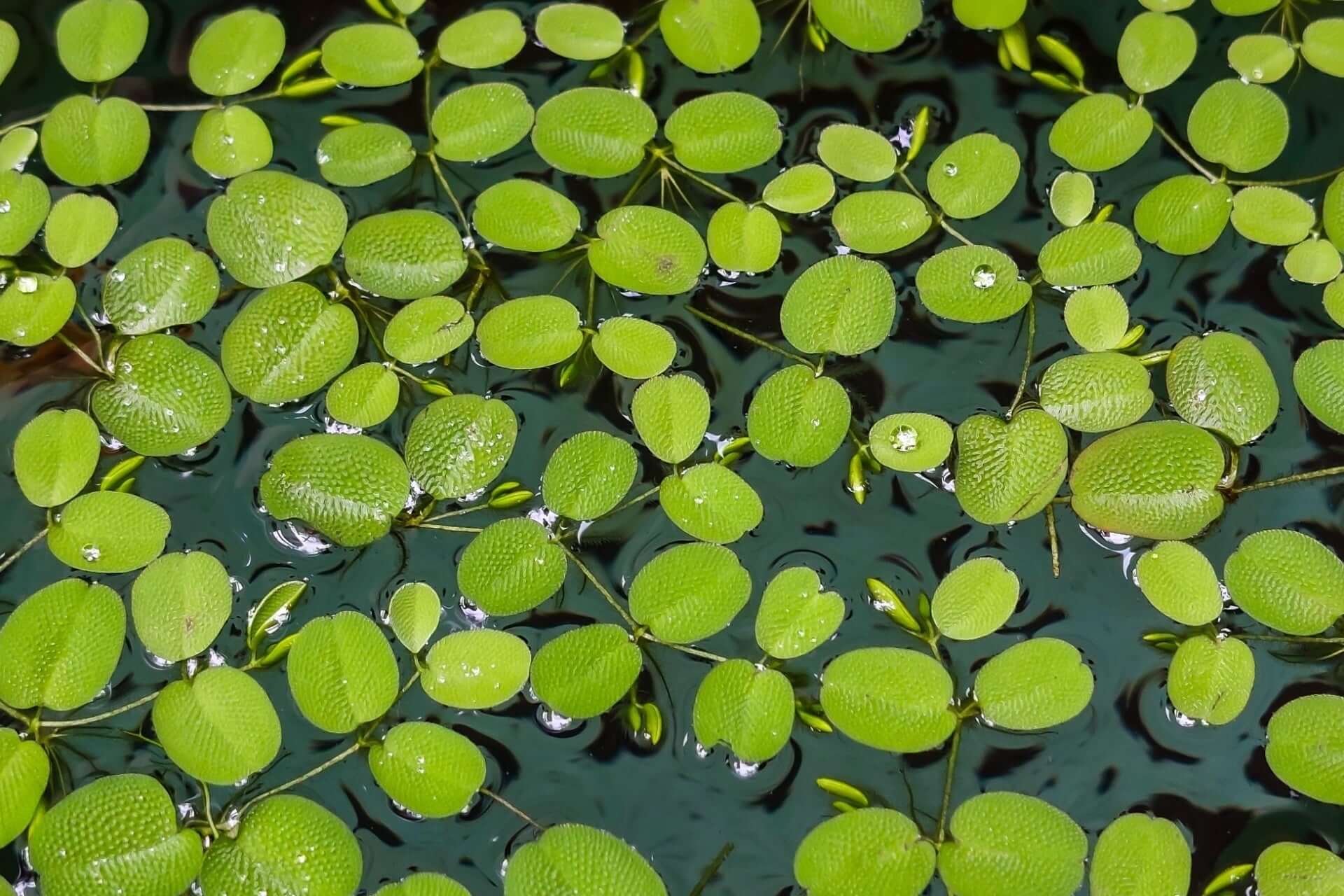
Aquatic garden plants are those plants that grow in water or close to water - growing where soil intersects with water. They vary in size as floating beauties such as lily pads to erect emergent species which rise high above the water. Plants of the aquatic plant garden serve a certain purpose; to aerate water, to stabilize soil and to house fish and amphibian life.
Typical categories of Aquatic Garden Plants are:
- Sweet Violet
- Floating Plants Floating plants: Plants that grow in the water and inhibit algae by cutting the sunlight.
- Submerged plants: Plants immersed in water, which purify and decrease unclear water.
- Marginal plants: Bordering the pond, there are marginal plants, which make the pond look like a garden.
Simple components like Lily Pads are a good place to begin when you are creating your first water garden. Such symbolic flowers provide aesthetic beauty and sustain essential microbiological life in the substrate.
The Benefits of Adding Water Plants to Your Garden
The water features for a garden creates the upliftment of the atmosphere, and the aesthetic effect is coupled with the ecological elements. Pond plants are naturally effective in the purification of water by absorbing unnecessary nutrients and avoiding proliferation of algae. They promote the existence of a balanced ecosystem in which the soil organisms and beneficial bacteria thrive.
Best reasons to expand an aquatic garden of plants:
- Enhances the quality and clearness of water.
- Houses frogs, dragonflies and birds.
- Stimulates oxygen in the water, which favors fish and invertebrates.
- Improves calmness by dancing and singing.
As an example, a serene pond can be complemented with Tiger Lily plants, which is a bright color-bearing plant and contributes to the general well-being of water. Every water feature in the garden is transformed into an active, self-reliant mini-environment.
How to Choose the Right Aquatic Plants ?
In choosing plants to use in your water garden, the depth and sunlight will also be a factor as well as your local climate. Diversity is a guarantee of ecological balance - floating, submerged oxygenators, and marginal vegetation are a combination that serves the maximum functions and beauty.
Guide to select Aquatic garden plants:
- Test depth of pond - Floaters and plants with shallow roots grow closer to the surface whereas rooted species require deeper areas.
- Light and shade - avoid excessive heat and algae.
- Preserve local diversity - Native plants to use in ponds are more adaptable and provide the native wildlife with sustenance.
To have a natural border, look at varieties of Redbud Trees because their spring flowers bring pollinators to your aquatic plant garden ecosystem.
Best Aquatic Plants for Ponds and Water Features
When choosing plants to place into your water feature garden, seek out combinations that are color balanced, oxygenate and are water quality. These selections both work wonders in backyard ponds that are small and in the large landscaped water gardens.
Outstanding Options to a Successful Water Body
-
Lily Pads: Floating gracefully and eating algae by blocking intense sunshine.
Water Hyacinth: Fast-growing plants that have the ability to clean water as well as to give small aquatic organisms a place to breed. - Cattails: Provide height, texture and work to stabilize the edges of a pond.
- Sweet Violet: These shrubs can be found at TN Nursery, and they grow in the damp soils as well as around water edges, where they bring delicate fragrant flowers.
Every species holds microbial diversity in your aquatic plant garden and makes it possible to maintain a balanced nutritional environment in which all aquatic organisms can be healthier.
The Water Features to include in the Garden Design
The process of adding water features for a garden may be as easy as a tiny fountain or as grand as a pond with a waterfall in it. They can be the sources of rest and communication with nature when used wisely. An aquatic garden is produced by a light flow or floating pool of water with Aquatic Garden Plants creating a sense of movement and calmness.
Design tips:
- Locate your garden water feature in a place where it receives morning sunlight and is shaded in the afternoon.
- Apply organic compost on the plants at the margins to enhance the health of roots.
- Wipe filters and trim vegetation regularly to maintain oxygen flow.
FAQs
What is a garden water feature?
A garden water feature is any decorative feature that has water in any form of movement or still form like a pond, fountain, or waterfall. It gives it a graceful and relaxing effect.
Why should I include aquatic plants in my garden?
Aquatic Garden Plants remove pollutants from water, biodiversity to your locality and luxurious richness to your water purse. They are maintenance free and inject natural life to the backyard.
How much water do aquatic plants need ?
Shrubs
Water Worlds
Pond plants are mostly submerged when partially or completely submerged. They are healthy throughout the year due to the constant water levels and sufficient amount of sunlight.
How do garden water features benefit aquatic plants?
Flowing water improves the exchange of oxygen and eliminates stagnation. A stream of water in a garden promotes flourishing roots and microorganisms.
Where should I place a garden water feature?
Install it in a semi sunny location, without the presence of falling leaves or debris; and where it is easy to get to, regarding maintenance and viewing pleasure.


