KK
Bare root plants arrived a day before scheduled, reasonable priced, healthy plants that’s grown some leaves & it’s been about a week since I planted them. Very happy with my purchase, Ty!

Trumpet Vine
Ships Now
4-9
Over 12"
Moderate
Full sun
Summer
Easy to care for and low-maintenance, thriving with plenty of sunshine, occasional watering, and a sturdy support to climb.
It grows best in full sun to partial shade and blooms best with plenty of sunshine.
Climbs fences, porch post or trellis' , Hummingbirds feast from the flowers, Drought hardy and low maintenance
KK
Bare root plants arrived a day before scheduled, reasonable priced, healthy plants that’s grown some leaves & it’s been about a week since I planted them. Very happy with my purchase, Ty!
Rebecca Leo
I received my plants the other day, quickly and they look great! Put them in root growth powder and planted them right away.
Margaret Miller
Trumpet Vine
About this plant
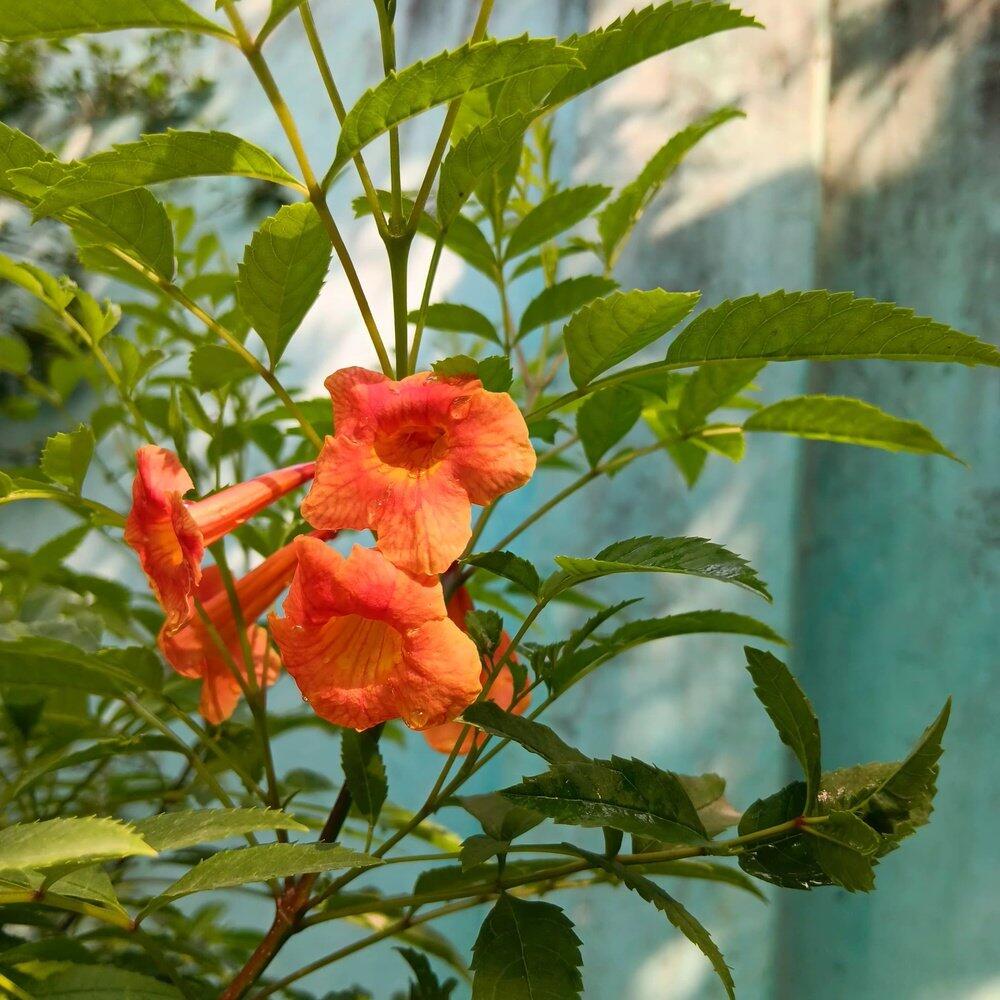
Trumpet vine (Campsis radicans), also called trumpet creeper, is a fast-growing native vine that covers fences and arbors in bright orange to red flowers every summer. Hummingbirds love the trumpet-shaped blooms, and once they find your vine, they'll keep coming back. Give it strong support and room to grow, and it will bloom year after year.
You've probably seen trumpet vine climbing old barns and fences across the southern U.S., where it is native. It's tough, handles heat and dry spells once it settles in, and flowers from early summer into September. Just give it plenty of sun.
Trumpet vine grows big and spreads, so choose its spot carefully. Plant it at least 10 feet from your house, gutters, and siding. Its small aerial roots cling tightly to wood and brick, and a mature vine can be heavy enough to bring down unsupported structures. An arbor, pergola, or strong fence post works best. It also sends up new shoots from its roots, so plant it next to lawn or pavement where you can mow them down.
This hardy vine thrives in most well-drained soils, acidic or alkaline, and can tolerate dry sites, wet sites, occasional drought, and disturbed areas once established.
Hummingbirds can't resist trumpet vine. Its long, deep reddish-orange blooms are the perfect shape for a hummingbird's beak, so expect regular visits all summer. It's a deciduous, woody vine that makes a big impact in any garden, with its bright flowers coming in from early summer into September.
Beautiful green foliage, interesting seedpods, gorgeous flowers, and thick woody bark make the orange trumpet vine a statement in the garden all year long.
Water deeply once or twice a week through the first growing season while the roots settle in, then let Mother Nature do the rest. That's what is so nice about native plants: once established, they're drought-tolerant and easy to care for, unlike many hybrids and non-native plants.
Skip the fertilizer, which pushes leaves instead of flowers, and prune in late winter or early spring, since blooms form on new growth.
If you want a low-maintenance climbing vine that covers a fence or arbor fast and keeps hummingbirds coming back, this is a good one to grow. This vigorous grower is hardy in zones 4-9, needs no fertilizer, and quickly covers its support. Trumpet Vine is a favorite of hummingbirds, which come for the nectar in its trumpet-shaped flowers.
This plant ships bare root, like every trumpet vine for sale at TN Nursery. When yours arrives, soak the roots in water for about an hour. Set up your support in a sunny spot away from the house. Dig a hole deep and wide enough for the roots to spread out. Fill it back in with the same soil, water well, and keep the soil moist for the first few weeks.
For more tips on planting, growing, and caring for trumpet vines, explore our Trumpet Vine planting guide. You can also browse our collection of climbing vines to discover more varieties that add colorful blooms and vertical interest to your garden.

Since 1959, TN Nursery has grown and shipped quality bare root plants nationwide. Shipped during dormancy, bare-root plants develop strong root systems and establish quickly. Our experienced team carefully harvests and packages every order, providing growers with trusted plants backed by over 65 years of nursery experience.
Learn More About
Bare root trees
Striking Flowers:
The Trumpet Vine boasts large, trumpet-shaped flowers that add a dramatic burst of color and beauty to your landscape.
Fast Growth:
This vine grows quickly, making it an excellent choice for rapidly covering trellises, fences, or arbors with lush greenery and vibrant blooms.
Attracts Hummingbirds:
The bright, tubular flowers are a magnet for hummingbirds, adding life and movement to your garden while supporting local wildlife.
Multiple Uses:
Ideal for creating natural privacy screens or adding vertical interest, the Trumpet Vine’s vigorous growth allows it to adapt to various garden settings.
Fall Digging
Spring Digging
Packing Orders
Customer Unboxing Video
Product Highlight
I'm really happy with my Trumpet Vines. They are growing well and have beautiful blooms.
My Trumpet Vine has been absolutely gorgeous! It grew beautifully and produced so many bright blooms—the hummingbirds visit it constantly, and I couldn’t be happier with it.
Received my 3 trumpet vine bareroot plants on the 26th og March, I planted them the same day and today on April 23rd they all are doing well.....
Bare root plants arrived a day before scheduled, reasonable priced, healthy plants that’s grown some leaves & it’s been about a week since I planted them. Very happy with my purchase, Ty!
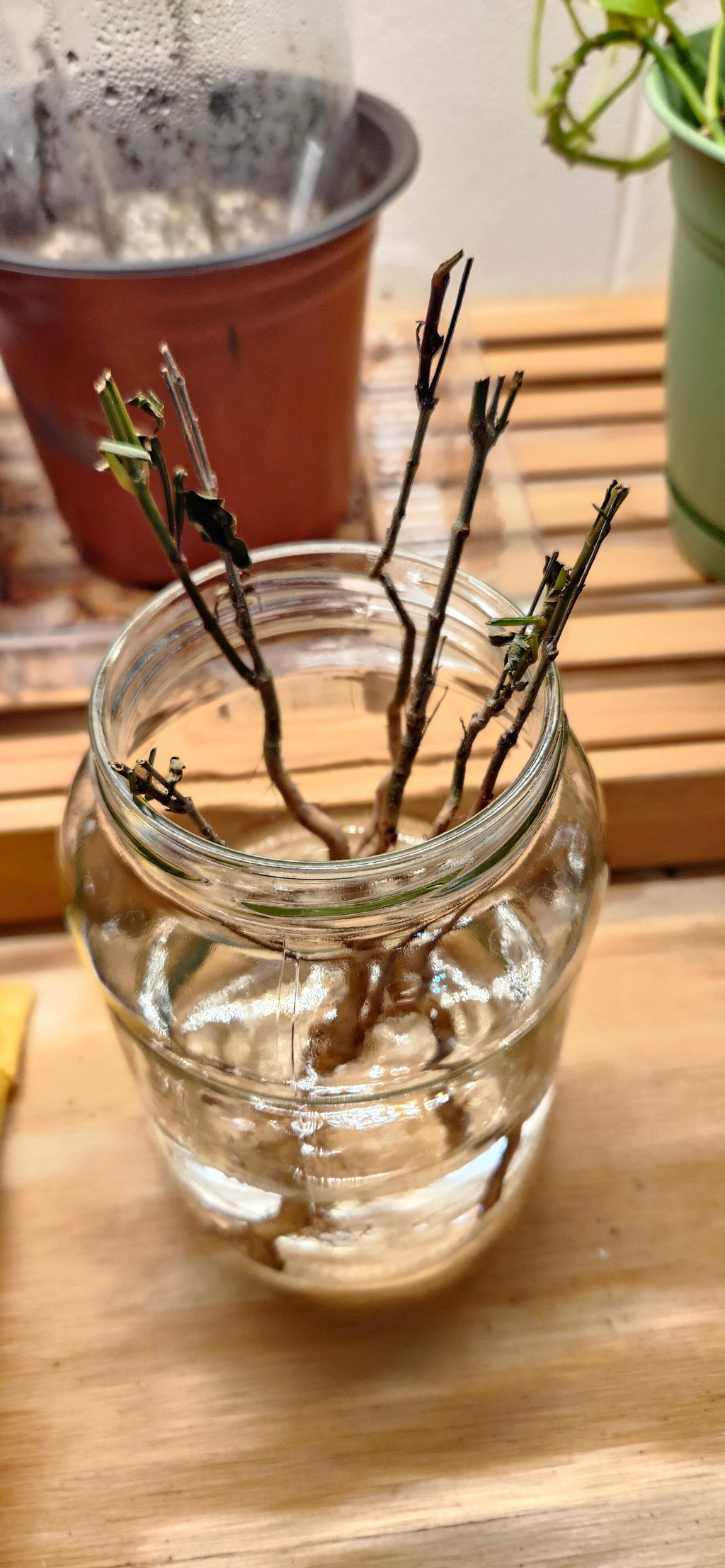
Received them as bareroot on May 18 and put them in water right away. The next day I put them in soil. Eleven days later they are flourishing very well. Very happy with this order.
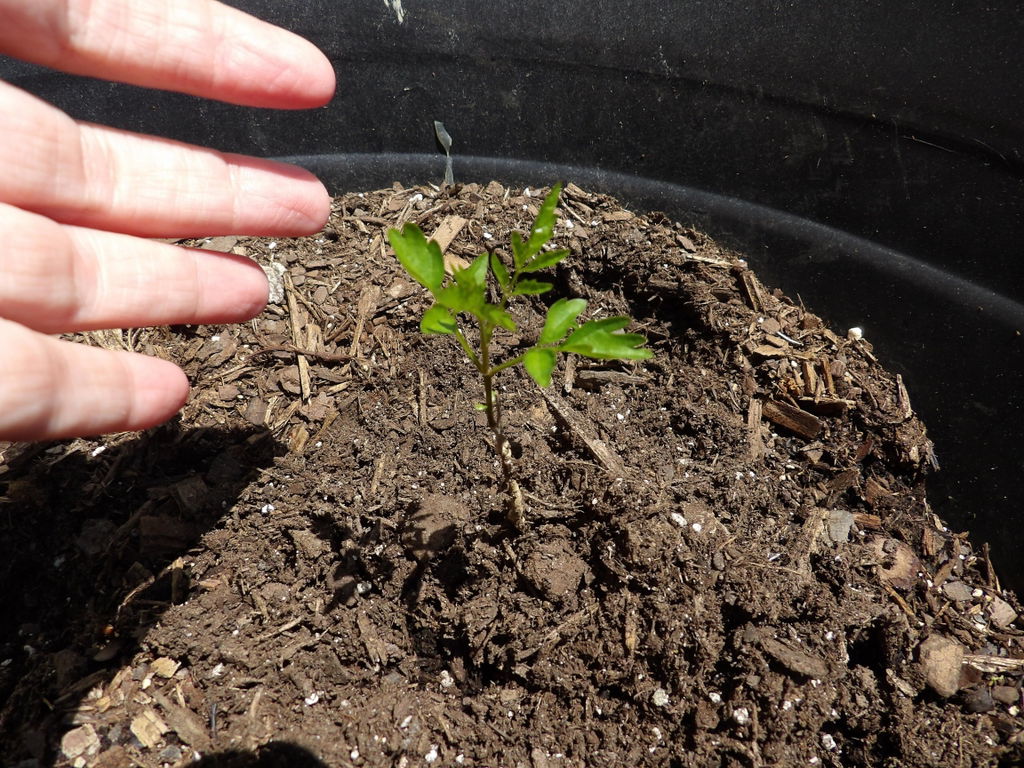
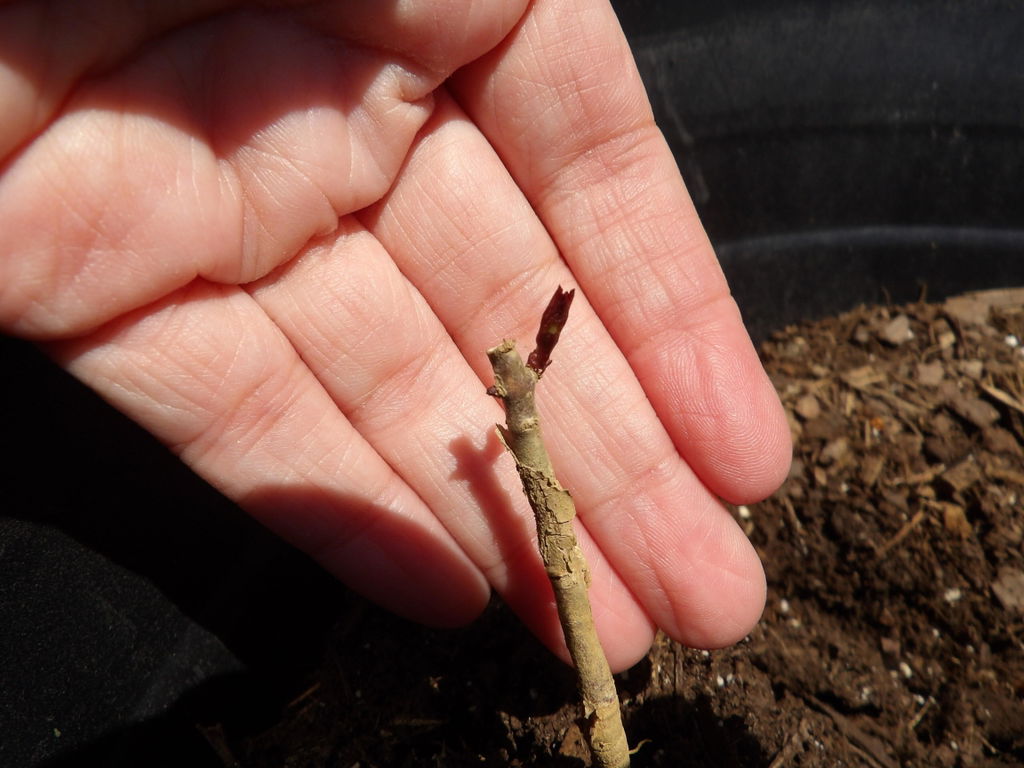
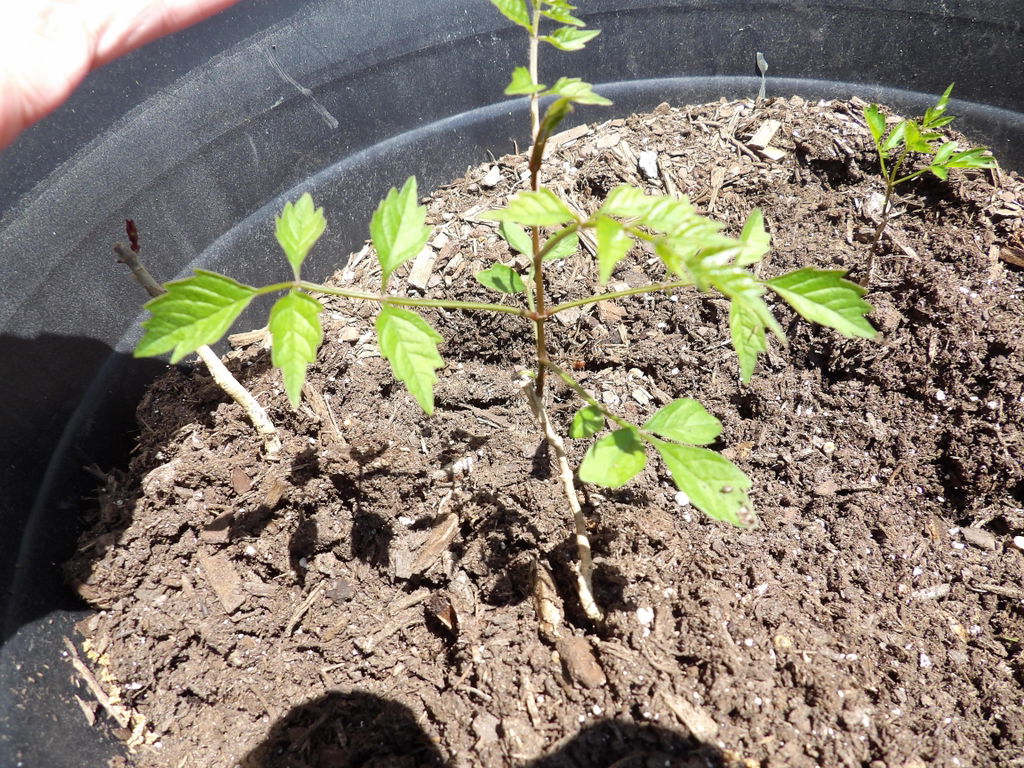
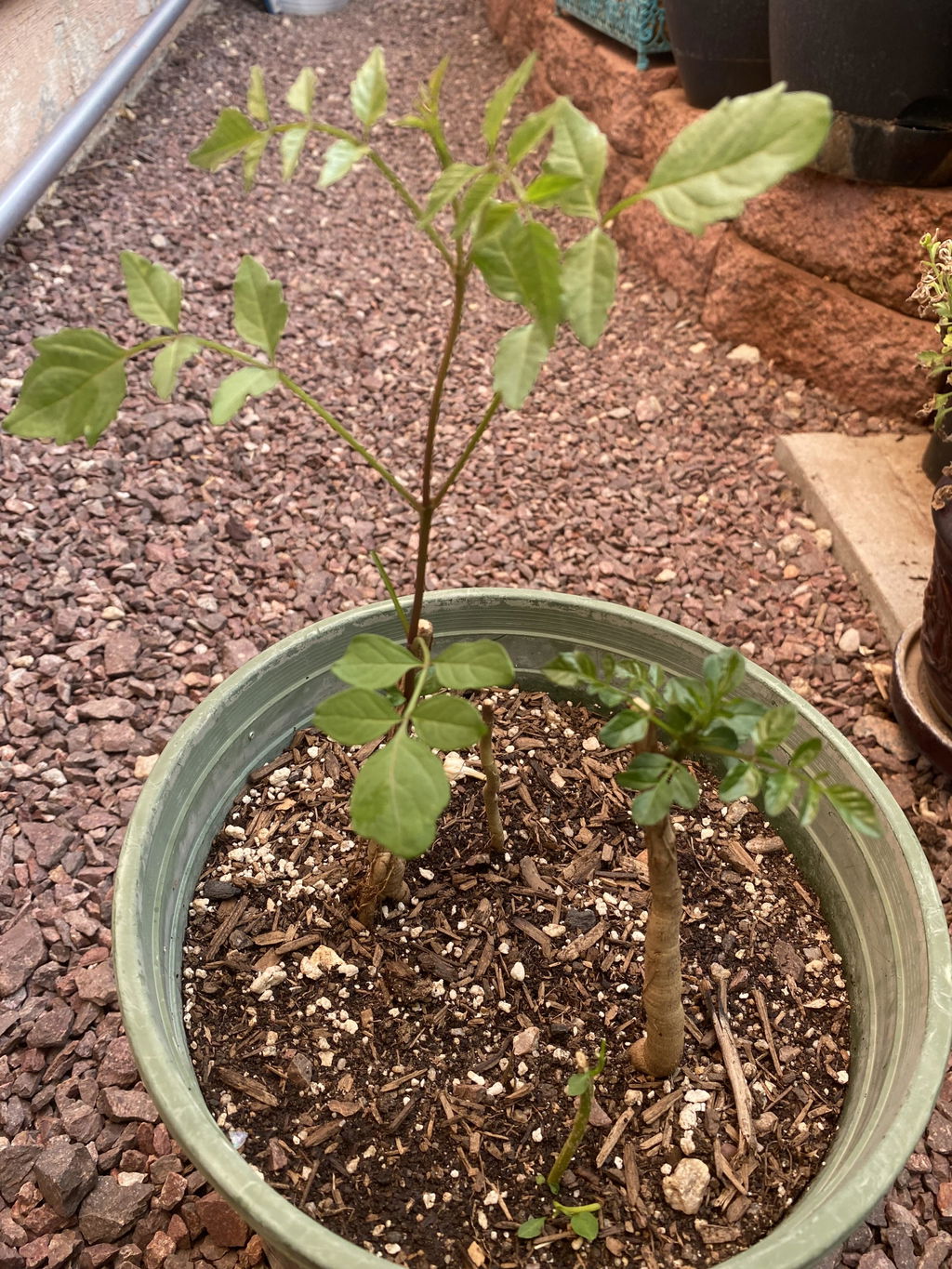
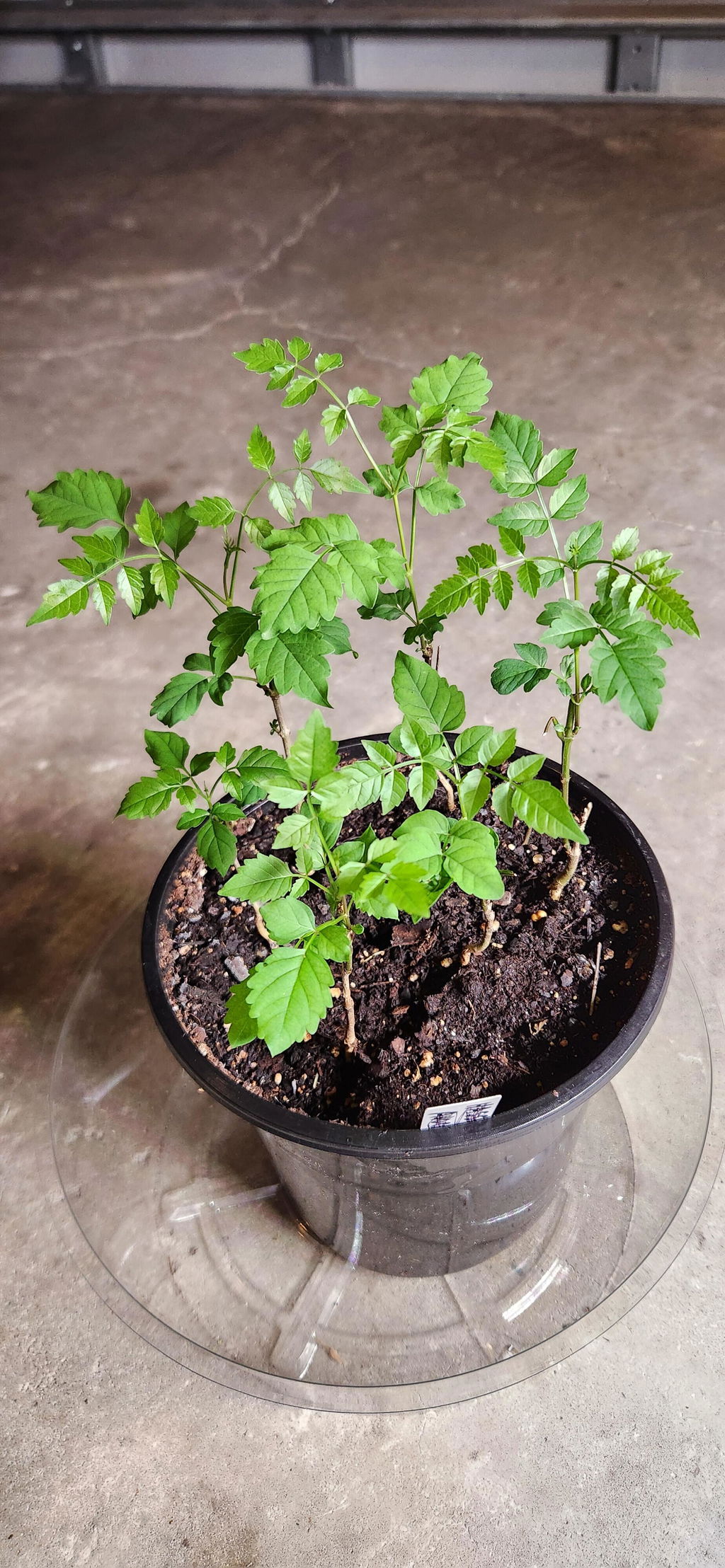
I purchased three bare root trumpet vine plants. I was a bit skeptical since they were very skinny vines, and all the leaves were brown and root ball was not big at all. The paper that wrapped the roots were moist, so I planted them in different parts of the yard. To my surprise, it started to grow new leaves within 10 days. TN Nursery also added a couple extra vines, so I put them in a pot as a backup. I am looking forward to seeing all the beautiful flowers which attract hummingbirds.
I am so happy I took the chance with these instead of any other vine! All of them (I got a few more than ordered-so thank you) are looking wonderful! I cannot wait to see them all grow and bloom!!!
I don't know if they normally send extra bare roots, but they sent me some. I'm thinking it's to make sure you have viable ones. They all look good and I will definitely do business with this company again 😁
I've only had my plants about 3 weeks, they are already sprouting all over! I'm so excited! I can't wait for this plant to start flowering, as they smell so good! I'm also looking forward to the hummingbirds!Thank you TN nursery!
I planted this vine a month ago and already have hummingbirds visiting daily. Healthy, vibrant plant from TN Nursery.
This Trumpet Vine came fresh and strong. It’s climbing beautifully and will be stunning once in full bloom. Highly recommend.
My Trumpet Vine is thriving! It’s already producing buds and I can’t wait for the bright orange blooms to cover my fence.
I was impressed with the packaging. The vine arrived without any damage and is settling in well in my garden.
The Trumpet Vine is healthy but grows slower than I expected. Looking forward to the blooms.
It was a little droopy when it arrived, but after planting it perked up. Now I see steady growth every week.
The Trumpet Vine came in good condition and has already started climbing my trellis. I can’t wait for the flowers to show.
I thought I bought 10 trumpet vines. What came was a packet of tiny little roots with just a little foliage in a plastic bag. I planned to plant now in MA, but there's no way these things will live through the winter. Will attempt to keep them as houseplants until the spring but not optimistic.
I ordered two trumpet vines from TN Nursery, and both arrived in excellent condition. They are fast growers and look stunning in my landscape.
The trumpet vine from TN Nursery exceeded expectations. Hummingbirds visit daily, and the plant is thriving with little maintenance. Beautiful addition to my garden.
I couldn’t be happier with my trumpet vine purchase from TN Nursery. It has filled my fence with lush greenery and vibrant flowers. Great price for such a healthy plant.
My trumpet vine came securely packaged with moist roots. It is thriving in my backyard and climbing quickly. TN Nursery truly delivers quality plants.
TN Nursery made ordering easy, and my trumpet vine arrived in perfect condition. The vine is already spreading beautifully across my garden trellis. Highly recommend!
The trumpet vine I received from TN Nursery had strong roots and started climbing within days. The bright orange blooms are stunning and attract hummingbirds just as promised.
I ordered a trumpet vine from TN Nursery, and it arrived fresh, well-packed, and ready to plant. Within weeks, I noticed healthy growth and vibrant leaves. Excellent quality and fast delivery.
It’s rare to find online plant nurseries that deliver such high-quality vines, but TN Nursery exceeded my expectations. The Trumpet Vine arrived packaged with care, the roots were healthy, and the growth was impressive from day one. This flowering vine is now thriving in my landscape.
I couldn’t be happier with the Trumpet Vine I ordered online. TN Nursery delivered strong, healthy plants that adapted right away. Within just a few months, they started climbing my pergola and filling it with eye-catching blooms. This is exactly what I wanted for my backyard.
I needed a fast-growing flowering vine to cover my fence, and TN Nursery’s Trumpet Vine was the perfect solution. It established quickly, and the vibrant flowers stand out beautifully. It’s one of the best climbing vines I’ve ever planted, and I’ll definitely order more.
I’m thrilled with my Trumpet Vine purchase from TN Nursery. The plants arrived in excellent condition and are now full of energy, producing lush foliage and bold blooms. The hummingbirds can’t stay away from the flowers. These vines are the highlight of my garden.
The Trumpet Vine plants I ordered from TN Nursery were vibrant, pest-free, and ready to plant right away. They grew fast and have already started producing gorgeous orange blooms. It’s the perfect flowering vine for anyone who wants a hardy, low-maintenance climber.