
Choosing The Right Plants
Fall may not be the loudest indicator of change‚ its leaves shifting from green to yellow and orange‚ and the warm air turning cold․ But it is coming․ For gardeners‚ fall is a time to prepare for harvest and for the next spring by breaking up soil in preparation for the planting season․ A fall garden to-do list can help make the process less intimidating and more enjoyable․ The list provides a blueprint for doing the work that will feed our minds‚ our bodies and our souls‚ as we plant beauty and bountiful harvest through these colder months of the year․ It reminds us to embrace fully the joys and realities of the seasonal cycle and be mindful of what we are sowing‚ how we are sowing it and the care we are giving our gardens․
Certain crops‚ such as kale‚ carrots‚ and Brussels sprouts‚ survive and even flourish in the cooler temperatures and shorter days of the late growing season․ The plants have a savory flavor rather than a sweet flavor after the first frost‚ but they can also be harvested throughout the rest of the season‚ showing the creativity and practicality required to decide what to plant in our fall garden․ Consider the use of chrysanthemums and pansies for additional color after other flowers have faded․ If you're creating a fall garden‚ consider your climate and do a little research to find plants that do well in your fall climate․ These plants can be both beautiful and tasty additions to your fall garden․
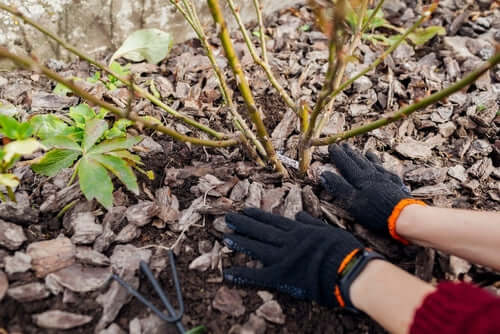
The most important step in successful gardening is soil preparation․ Use autumn to improve the soil in your garden․ Pull out dead plants left over from summer‚ allowing the soil to rest‚ breathe and rid itself of pests and diseases․ Once the area is cleared‚ then you'll want to supplement the soil with organic matter such as compost or well-rotted manure‚ so that the soil is chock-full of the right elements for root growth․ Be sure to till the ground as well․ This will aerate the soil‚ making it easier for a new plant to take root‚ as well as mix in the nutrients․ This preparatory step is like laying the foundation of a house; if we do not lay the right foundation‚ then the structure that we are going to build may collapse under the weight of winter․
Preparing The Soil
Now that the soil media is ready it is time to plant the plants in the manner they require and the gardener desires․ Spacing‚ grouping‚ and arrangements are important elements that are determined by the plants chosen and their requirements for air and space․ Some plants can be grown more closely together than others (for instance‚ leafy vegetable plants)‚ and others require more space due to the expansion of their roots (like root vegetables)․ A method of companion planting can be used to minimize pests‚ or to increase produce‚ for instance marigolds amongst other plants․ Other practices include keeping young plants covered with mulch or fabric in cool temperatures to protect them from frost and gradually acclimatizing them to moisture during the growing season․
Establishing a watering routine can be helpful as well․ In the fall‚ when the sun is getting less direct‚ gardens are still alive and need water․ The weather and moisture needs of a garden help decide when and how much to water a garden․ Check plants regularly to see if they need watering․ The soil can be gauged by placing a finger in it․ If the plant needs water‚ water it early in the morning‚ before the sun is out and the temperature is high․ This is the best time to water․ And while the temptation may be to let things run their own course‚ this little nugget of knowledge can mean the difference between a vibrant harvest and a shriveled garden․
Winter Preparation Strategies
The rhythm of the fall season changes with the approach of winter․ It is time to determine which preparations to make that will help the garden survive the winter season and which new plants should be added in the spring․ Using frost cloth or leaves to cover beds or vegetable crops will help protect them from rapid temperature shifts․ Garlic or shallots planted in the fall will be better established and have larger root systems by springtime․ Tools may be cleaned and put away‚ yard debris cleaned up‚ and gardens made presentable by using some of the downtime to prepare for next spring․
As such‚ creating an effective fall gardening checklist requires foresight and love of gardening․ While garden chores may feel ordinary‚ the reward for all that work is an abundant flowering of plants and a bounty of vegetables to enjoy for many months to come․ Such selecting‚ soiling‚ planting‚ watering‚ wintering‚ is not a trivial exercise․ It is full of life and learning․ By cooperating with nature we have become part of her great story․ We are linked with her in spirit; and we are growing‚ nurtured by her as much in soul as in body․ Now autumn calls us to take up the gardener's tools‚ and knowing well the art‚ let us cultivate the soil and be prepared for fruits still to come․


