
Choosing Native Plants Wisely
In short‚ landscaping involves joining nature and art into a unified and harmonious arrangement of plants‚ flowers‚ trees‚ hedges‚ water and hardscapes to create an aesthetically pleasing garden that adds value to your property while reflecting who you are and how you live․ It means knowing what grows naturally in the area and the ecosystems that exist there․ At TN Nursery we believe that landscaping needs to be more than just beautiful‚ it needs to be sustainable and good for the community․ Native plantings‚ sustainability‚ and protection of a gentle‚ nourishing garden environment will ensure everyone can be a steward of their environment while creating an outdoor space for people and nature to enjoy․
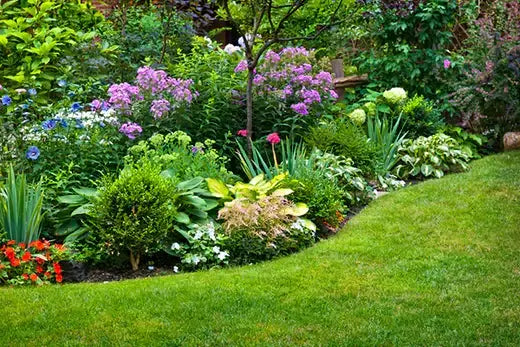
One important practice is the use of native planting․ Native plants are plants growing in a given region in the wild and which have adapted to local climate and soil conditions․ They usually require little care in the landscape‚ are often more resistant to native insects or local diseases‚ and it is a good practice to provide a diversity of flowering plants in the landscape that bloom at different times of the year to provide color throughout the year․ There is no better way to create a beautiful garden and bring interesting wildlife into that garden than by growing a variety of native plants‚ including those that produce flowers such as black-eyed Susans‚ coneflowers‚ and cardinal flowers‚ which will also attract birds‚ butterflies‚ and helpful insects into the garden․
Sustainable Landscaping Strategies
Sustainable landscaping methods are important in reducing our ecological footprint while still providing functional outdoor spaces․ Conservation opportunities can be achieved through rain gardens‚ xeriscaping and permeable paving to save water‚ minimize runoff and improve soil health in our communities․ A rain garden that captures and filters stormwater can be helpful to garden plants‚ as well as to water quality․ Organic mulches or composts can be used (instead of chemically based fertilizers) to improve soil while minimizing the risk of chemical leachate entering groundwater‚ which may prevent or reduce nutrient pollution of surface water runoff․ Adopting these eco-friendly gardening practices creates an ecosystem that honors your yard and stresses the importance of nature's valuable lessons for generations to come․
The layout of a garden (its landscaping) is also important and must take into account the amount of sunlight and water that will be available‚ as well as the way plants grow‚ which influences where they can be planted․ For example‚ plants of varying height can be situated at the back or front of a flower bed and planted with the consideration that taller plants will cast shadows on shorter plants․ Planting a mixture of annuals‚ perennials and shrubs‚ and layering or grouping them‚ helps create garden depth and provides year-round interest․ Using corridors of interesting materials can provide focus as well as entice people to explore different areas‚ while seating areas should be positioned to encourage people to take their time and enjoy the garden while establishing a stronger connection with nature․
Both a good aesthetic and plant health require that certain gardening tasks are performed‚ which include the removal of weeds‚ watering and the pruning of plants and shrubs․ Learning what a plant looks like when it needs more care or when a pest has moved in to do damage can be what saves a garden․ It is also important to develop a checking pattern of conditions to look for‚ such as whether the soil is moist‚ a plant appears wilted‚ or whether a pest is present․ Composting makes rich‚ textured‚ fertilized‚ plant-life-sustaining soil in your landscape‚ reduces waste‚ and completes the cycle․ As you garden each season‚ you implant in each simple act your awareness of the passage of time‚ the cycles of life‚ the effect of planting your life in good ground․
There are some good tools for the job that can make all the difference in ease and effectiveness․ A beginner's garden tool kit might include the more obvious tools like trowels‚ pruners‚ rakes‚ watering cans‚ etc․ Good gloves‚ knee pads‚ and sturdy containers can make a difference in comfort if spending hours gardening․ Soil testers can measure nutrient availability‚ as well as soil pH‚ to assist the user in selecting plants that will thrive within their soil‚ and how to improve the soil․ Power tools used for gardening‚ such as lawnmowers and lawn trimmers are also available․ These may help make the maintenance of gardening easier and more efficient‚ and with a more organized place for tools‚ the time spent in the garden can be utilized better․
Essential Tools for Landscaping
In conclusion‚ landscaping is a balance of human needs and the needs of the natural ecosystem․ With a careful selection of native plants‚ sustainable landscaping practices‚ and a proper maintenance schedule and equipment‚ a sustainable‚ aesthetically pleasing‚ and well-used landscape can be created by anyone․ TN Nursery describes their philosophy of gardening as that of the gardener as a steward of the earth․ When we make our landscape choices‚ we have the chance to guide the earth and create a beautiful landscape that reflects our image and nurtures the space for others and the wildlife which relies on it․ Whether you're a beginning or an experienced gardener‚ every minute you spend in your landscape brings you closer to restoring your balance with nature․


