The way we plan, plant and maintain outdoor areas is changing thanks to Garden technology. Data driven tools, smart sensors and precise systems help farmers save time, water and effort while making plants healthier. This piece talks about how farming technologies and innovations made at home are already making the soil, roots and general garden productivity better.
You will find out what modern tools are used for, how to add them to a small garden and how Future Garden Technology can help with sustainability without taking the place of personal care.
The Role of Technology in Modern Gardening
Garden technology, at its core, provides gardeners with better knowledge so they can make decisions that are in line with actual conditions. Sensors check the temperature, pH and wetness of the soil so you don't have to guess when to water or fertilize.
- Some benefits are better root health from watering at the right time, less water waste from systems that can adapt to the weather and stronger soil biology from adding compost and organic matter at the right time.
- Tools help keep an eye on soil organisms and microbial variety, which means that changes really do make a difference.
- You can change the way you grow by taking small steps like putting in one sensor and watching the data for a week.
Modern Gardening Technology combines old fashioned methods with digital knowledge to make fields smarter and kinder.
Smart Gardening Tools and Their Benefits
Smart tools are easy for new farmers to use and helpful for experienced ones. Here are some popular types and their usefulness.
Soil and water monitors
So you don't water too much, these tell you when the dirt is dry or wet. That helps the roots get bigger and keeps diseases away.
Timers and automated watering
Systems that react to soil moisture and rain predictions help people use less water. Here's where farming technologies made for farms can be used in people's backyards.
Controls for lights and temperature
Indoor gardeners use thermostats and LED arrays that can be adjusted to give plants and microclimates the right amount of light and temperature.
Apps and sites for taking care of plants
Mobile apps keep track of when to water, prune and fertilize plants, which makes things easier to remember and leads to better long term results.
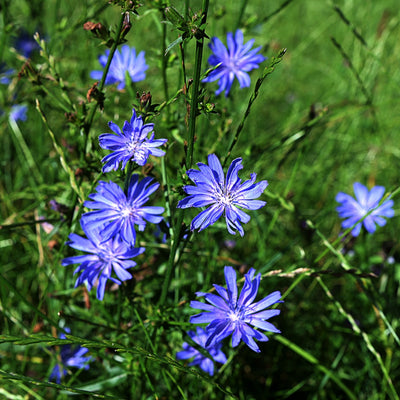
Tip: To improve soil structure and bacteria health, use sensors along with organic methods like adding compost or planting species that help each other out, like Chicory Plant.
Sustainable Technology for Eco Friendly Gardens
A lot of the ideas in Future Garden Technology are environmentally friendly. The goal is to get more done with less money and protect the environment.
- Drip watering systems that use less water are an example of sustainable Garden technology
- Garden pumps and timers that run on solar power
- Rollers and accelerators for composting to break down organic waste more quickly
To avoid runoff, precise dosage of nutrients is needed.
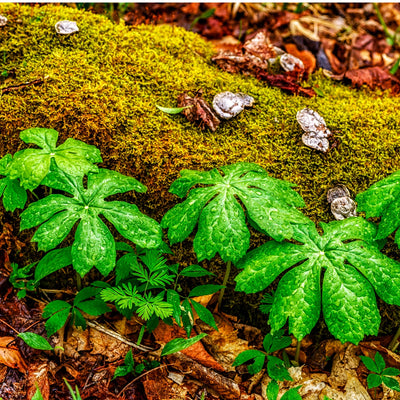
These tools go well with plants that are good for the soil. For example, groundcovers in forests like Mayapple help keep water in the ground and stop erosion. This works well with smart watering.
Step that can be taken: replace one sprinkler above with a drip line and a moisture indicator. You will save water and help living things in the land do well.
Common Challenges and How Technology Helps
Gardens have a lot of different problems. Technology gives us straight answers, but gardens stay natural and plant friendly.
- Issues and tech answers:Root rot happens when you water too much - You should only water when soil monitors tell you to
-
Bad time for nutrients: You can use apps to plan when to add mulch and slow release organic fertilizers
-
Outbreaks of bugs: Problems can be found early on with the help of early warning sensors and trail cams
-
Extremes in the microclimate: Automatic fans and shade cloths help keep the temperature stable
When you adopt, start out small. Put in one monitor or an automatic valve and then look at the data to learn. The best results are obtained when Modern Gardening Technology is combined with organic matter and careful planting.
How to Adopt Garden Technology without Losing the Joy
Technology shouldn't make farming more boring; it should make it more fun. To use tools correctly, just follow these easy steps.
- Figure out what the problem is, like watering not being done right.
- Pick one tool that will help you directly with it, like a drip kit or moisture sensor.
- Keep caring for the soil and growing companion plants to support microbial diversity.
- Don't replace observation with data; use it to make your plan better.
This method relies on people's opinion while taking advantage of the good things about how gardens technology works in real life.
Examples of Effective Pairings
A good yard has both plants and technology:
- Put sensors next to plants with deep roots, like chicory, to help water drain away
- When sensors show that there isn't enough organic matter, use compost activators
- Plant groundcovers that keep water in, like Mayapple, near sensors to even out changes
These pairs show how farming technologies can be used in home gardens and how small changes can have big effects.
Conclusion
Future gardens will be more productive, efficient and long lasting thanks to Garden technology and farming technologies. Gardeners get better results and protect environments when they use technology to help soil organisms, root health and organic methods. Start small, use technology and pick good plants and watch your garden grow as you take better care of it.
FAQs
How is technology changing gardening?
Sensors and technology give gardeners accurate information that helps them water, feed and care for plants more accurately and with more success.
What are some roles of technology in gardening?
Common tasks include keeping an eye on soil moisture, automating watering, making the best use of light and keeping an eye on plant health.
What are some examples of technology in modern gardening?
Common tools include soil sensors, LED grow lights, garden cams and apps for taking care of plants based on the weather.
Can any smart tools improve home gardens?
Yes. A moisture meter and drip watering are two simple tools that can help plants stay healthy and save water.
Can technology make gardening more sustainable?
Yes precision tools allow for focused application of compost and organic matter which cuts down on waste and helps soil organisms.