
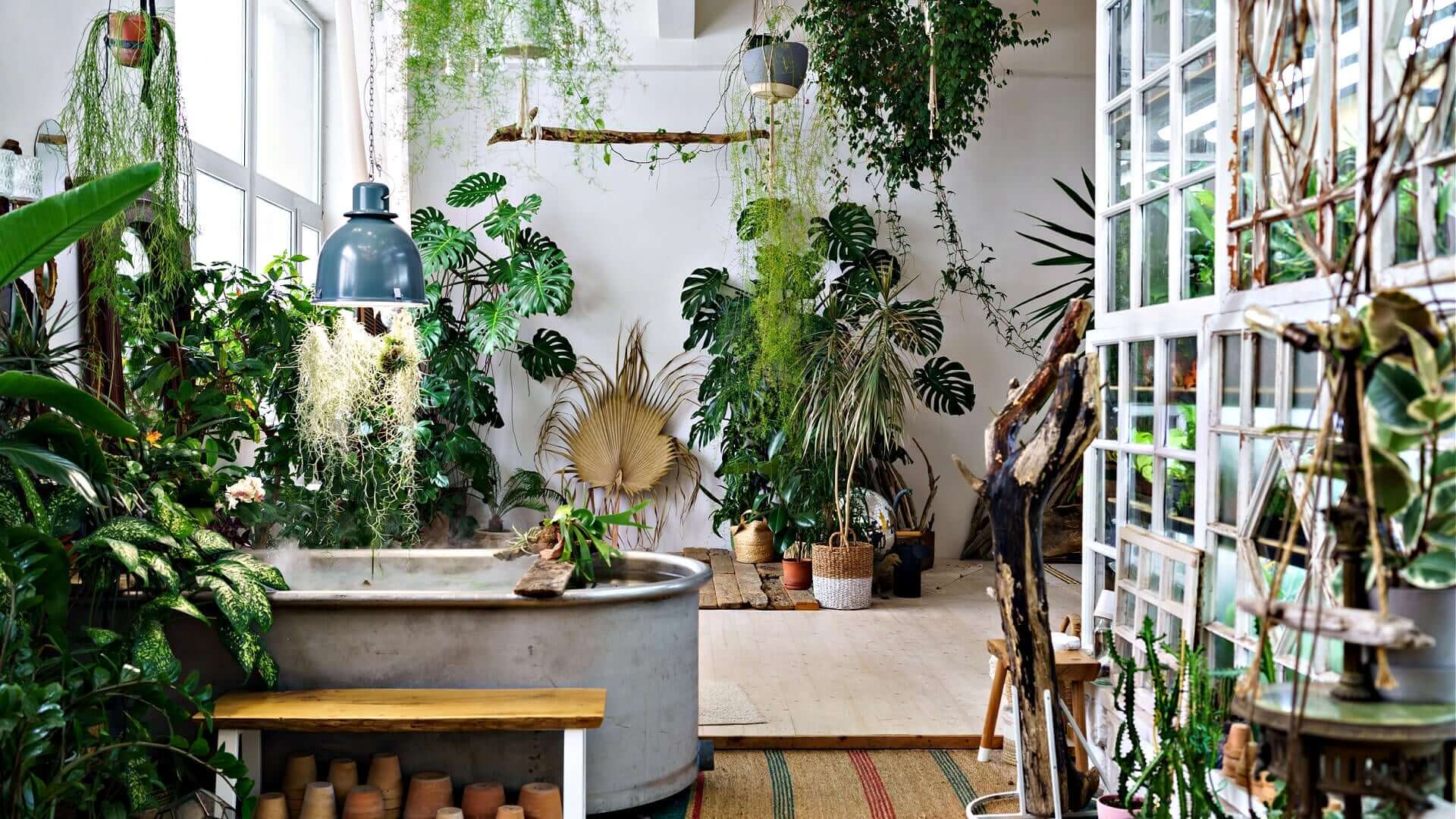
Indoor Gardening in Tennessee: What Actually Works in Southeast Homes
Conditions for indoor gardening in Tennessee differ from the rest of the United States due to humidity levels varying seasonally and winter heating systems efficiently drying out air․ Besides‚ lots of houses in Tennessee have deep front porches and lots of covered windows‚ which means there's less light over here than you think․ If you are gardening indoors in Nashville‚ Knoxville‚ or Memphis (or anywhere else in Zone 6b-7b)‚ your indoor growing conditions are different if you're in Arizona or Maine․
We'll talk about what works in this․
Tennessee's Light Problem (And How to Fix It)
Most of Tennessee‚ especially the east and center‚ is tree-covered most of the year․ That means that south- and west-facing windows have dappled light‚ not the strong southern exposure the tags assume you have․ If your house is surrounded by a few large oak or maple trees‚ you may be getting 20-30% less light than the label suggests․
In general‚ east-facing windows win here․ The morning sunlight is a bit more forgiving than the same July afternoon sunlight streaming through west-facing windows in Tennessee․ Do you have a north-facing window? Is it shaded by something like a porch above? If so‚ don't fight it․ Pothos‚ ZZ plants‚ snake plants (Sansevieria) and cast iron plants all do well in low light and can tolerate the fluctuating light levels from the seasonal cloud cover we get․
If that's not enough‚ for most houseplants and herbs‚ you could simply purchase one basic LED grow light and run it for 10 to 12 hours a day․ You don't need to get fancy; you just need a full-spectrum bulb rated for plants 12-18 inches above the plants you want to illuminate․
The Humidity Swing Nobody Warns You About
Here's something most indoor gardening articles skip entirely: Tennessee summers are humid (60-70% indoor humidity is not odd if AC isn't running hard)‚ and winter once the furnace starts running is maybe 20-25% indoor humidity․ That's practically desert air and it's brutal on tropical houseplants like ferns‚ calatheas and peace lilies․
If you see some brown tips on leaves every January‚ it's probably the furnace rather than too much or not enough water․ A pebble tray with water under the pot‚ or a small humidifier running in the plant grouping‚ can help․ Grouping plants together can help‚ as the plants raise the humidity in the surrounding area․
Houseplants: Matching the Plant to the Room
Be honest with yourself about how much light the room actually gets (not how much you think it gets)‚ how often you'll remember to water it and how much room you have for the thing to actually grow․
For a low-maintenance first plant‚ pothos and snake plants seem almost impossible to kill and will easily tolerate the haphazard "care" that most people give plants․ For something a little more dramatic‚ (a fiddle leaf fig and a rubber plant) might become a showstopper in your living room․ They want bright indirect light and do not like to be moved around․
Watering is where most people go wrong‚ and it's almost always overwatering‚ not under․ Stick your finger in about an inch․ You should wait if it still seems moist to the touch․ Most houseplants prefer to be slightly under-watered‚ so it is better to have slightly dry soil than to have too-saturated soil that encourages root rot․ Use room temperature water‚ and if your municipal tap water has high chlorine levels (such as in Nashville and Memphis)‚ store it overnight at room temperature to dissipate the chlorine․
If you find a nice pot you like that has no holes‚ plan to use it as a decorative outer sleeve with the plant in the nursery pot inside it․
Growing Herbs Indoors: What Will Survive a Tennessee Kitchen
Growing herbs indoors is one of the most rewarding things about this hobby․ Even the most humble kitchen can accommodate herbs․ Basil‚ chives and mint are easy to grow․ They are forgiving and fast-growing‚ and you can harvest them after 3-4 weeks of good light․
Basil's the fussiest of the easy ones: it hates cold drafts‚ so don't put it near a window that gets a blast of cold air in December or January (which happens more than people expect here‚ even in wintry homes against their will)․ Rosemary and thyme can handle things a little drier and cooler‚ the perfect partner for a less-frequented windowsill․
Your best light is going to be coming from a south-facing kitchen window‚ but if your kitchen doesn't get the best light (which is pretty common in older Tennessee homes with small windows) you can use a small grow light clipped above the counter․
Pest Control: Catching Problems Early
Indoor insects are more visible in the fall‚ when plants potted outdoors are brought inside before the first frost․ In most of Tennessee‚ the first frost is in mid- to late October․ It may‚ however‚ occur later in the western end of the state․ The single most common way that spider mites‚ aphids and fungus gnats get indoors is by being brought indoors by plants․
Check the undersides of leaves and top layer of soil for pests before bringing any plant inside for the winter․ A shower and a spray of diluted neem oil before the plant comes inside can save you a lot of trouble come November․ If you do see a pest once the plant is inside‚ make sure to quarantine it immediately as these things spread through a plant shelf fast․
Building Your Indoor Garden the Right Way
Don't buy everything all at once․ Buy two or three plants that fit in your light levels‚ and water them until you're comfortable with the routine (approximately a month) before moving on to more plants․ TN Nursery has a nice selection of houseplants and herb starts for growing indoors‚ and the potting soil and pots with drainage holes that are the difference between a plant that limps along and one that actually thrives․
Indoor gardening in Tennessee is about knowing your room or your microclimate‚ accommodating our swings in humidity‚ and having a green space that can tolerate the humidity of August along with the dry heat of January․


