
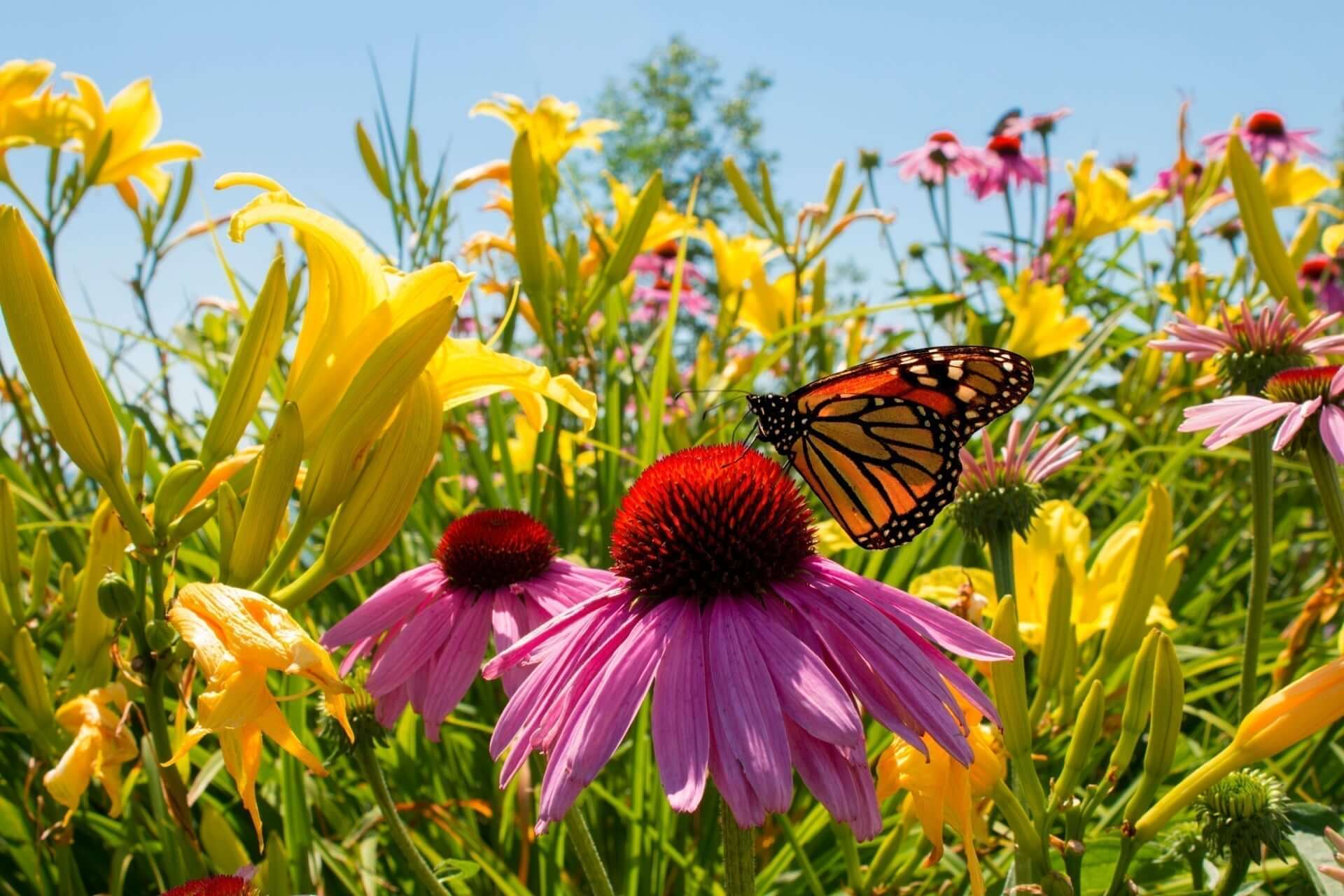
The spring perennials are the method nature uses to jumpstart your garden after the stagnation of the winter season. These tough plants pop up each year, filling your beds with color, scent and touch since the very first weeks of spring. Need to lighten up a dark spot or lure pollinators? Add spring perennial plants and you have plenty of color and character throughout the season.
What Are Spring Perennials?
Perennials are hardy plants that come back annually and in many cases are the first to flower in the spring when the temperatures are increasing. The perennials establish effective root systems that become stronger with time as compared to annuals that will have to be replanted. This can be achieved by planting in early spring the types of perennials such as Crocus, Bleeding Hearts, Creeping Phlox, etc. and creating a regular pattern of seasonal color and flowering.
Their planting time renders them invaluable in the planning of garden layers, beginning with the low growing ground covers and blooming cycles, which yield to summer and autumn flowers. The plants are also important in providing the pollinator like bees and butterflies with food when there are no other flowers.
Internal connection: Creeping Phlox is among the most popular spring flowering perennials, which create beautiful carpets of pink, purple or white flowers that flow beautifully over the borders of the gardens and the rock walls.
The Benefits of Planting Spring-Blooming Perennials
The spring blooming perennials are a beauty and sustainability to the gardener. Some of the main benefits are as follows:
- Virginia Spring-Blooming Perennials Season-long construction: Perennials gain well-developed roots which make the soil more fertile and eliminate soil erosion.
- Cost efficiency: They are planted once and produce with minimum care and are time- and cost-effective every year.
- Increase biodiversity: Earlier flowering provides pollinators such as bees, hummingbirds and butterflies with nourishment.
- Adaptability: There are numerous varieties that can either be grown in shade or sun and they adjust well to various micro climates.
Perennials make your soil fertile due to the accumulation of organic matter and the presence of different microorganisms. Soils that are healthy are rich in useful organisms, which support the development of roots and resilience. In the shaded areas, it is best to use shade loving spring perennials like Hellebores or Virginia bluebells. The Virginia bluebell gives out groupings of soft blue, bell flowers which beautify the woodland gardens and shaded walks.
How to Grow and Care for Spring Perennials ?
Perennial flowers bloom in spring only require simple yet regular practices. Begin planting your perennials at the beginning or at the middle of fall or when soil begins to thaw in spring. Select a soil that is well drained and has compost added to the soil to retain moisture and keep roots healthy.
To achieve the best results, follow the following major steps:
- Soil preparation: Till soil, 12 inches deep, and add organic matter or compost.
- Watering routine: Maintain a constant moisture level in the soil but do not overwater.
- Mulching: Spread 2 inches of mulch to keep the soil moist and to control the temperature.
- Deadheading: To promote vigorous root growth, cut off wilted blooms.
- Division: Each 3-4 years, cut clumps that grow large in size.
To achieve a natural appearance, combine native plants with decorative hybrids to retain pollinating traits. Low-maintenance plants such as Sweet Violet, which are in season in early spring, and can be found in the shop of TN nursery, are the ideal low-maintenance plants that can grow even in the shadow zone.
Best Spring Perennials to Add to Your Garden
Planting a layered garden with spring flowering perennials would guarantee months of on-going flowering. The following are some of their most popular types
1. Creeping Phlox
Creeping Phlox is a groundcover superstar that creates beautiful mats that spread beautifully across the borders. Its flowers are lavender-rose and are one of the most conspicuous spring blooming perennial flowers. Attempt to use it together with taller perennials in order to create a multi-dimensional display.
2.Virginia Bluebell
Virginia Bluebell is one of the most attractive shade loving spring perennials, which grows in damp and shaded soil. Its fragile pastel flowers turn dark pink to sky blue in the course of growing, pollinating early birds but softening woodland sceneries.
3.Sweet Violet
This perfumed tradition is a herald of the spring with small purple flowers populating softly under the trees and bushes. Sweet Violet being one of the best early spring perennials is ideal in shady areas and naturalizations.
4.Bleeding Heart
Bleeding Heart is a romantic arching stem that can bring the sculptural value and texture to your garden. Its blooms are of heart shape that is dipping in the wind, and it goes well with ferns or hostas.
5.Hellebore
The Hellebore or Lenten Rose blossoms in late winter through early spring. It is a popular shade loving spring perennial with its nodding, long lasting flowers and giving deep tones of cream to deep maroon.
Pro Garden Tips
In order to make the most of your spring perennial plants, you can use these helpful tips:
- Combine together plants with common light and water requirements.
- Plant native and pollinator species.
- Use compost every year in spring to renew soil vitality and microbial life.
- Apply a layer of mulch over cold roots in the winter or hot summer.
- Plant pair perennials with bulbs such as tulips or daffodils so that they provide a flow of color all year round.
Frequently Asked Questions
What is a spring perennial?
A spring perennial is one which flowers every spring, and is planted once and never planted again. They are perennial in any garden design because of the cycles they have.
What perennial flowers can you plant in the spring?
Plant spring flowering perennial e.g. Creeping Phlox, Bleeding Heart and Sweet Violet. They can cope with the majority of climates and increase biodiversity in gardens.
Which spring-blooming perennials are best for shade?
Perennials that are shade loving such as Virginia Bluebells, Hellebores, and Sweet Violets do well in partial or full shade and produce delicate blooms even under the trees.
How do I care for perennials after they bloom?
Once the flowers have bloomed, cut off decayed ones and water. To replenish the nutrients and encourage good root growth in next season apply compost round the base.
Why are spring perennials good for biodiversity?
Their early flowering gives essential sources of nectar to the pollinators at a time when not many plants are in flower. This promotes the development of a healthy, diverse ecosystem in your local garden.


