
How to Build a Garden That Actually Attracts Bees and Butterflies (Not Just Pretty Flowers)
In fact‚ the truly great pollinator garden has three things that almost no flower bed has: a bloom sequence that extends from March through October‚ plants to feed caterpillars‚ and light levels that come closer to natural conditions․ Get those three things right‚ and your yard will be teeming with more activity in the second season than most gardens see in five seasons․
Tennessee is mostly USDA zones 6a through 8a‚ with the mountains skewing it colder and West Tennessee skewing it warmer and wetter than the rest‚ but that's a wide enough spread that it allows Tennesseans to grow a larger variety of native pollinator plants‚ the things that struggle farther north and south‚ in Nashville‚ Knoxville‚ and Memphis․ The trick is to time them so something's always blooming․
Why Native Plants Do the Heavy Lifting
Furthermore‚ many ornamental non-native plants may look nice but offer almost nothing of value to the local pollinators․ Many butterflies‚ including the famous monarch‚ have particular plants that they need to lay their eggs on‚ not just a sugary flower․ Native plants evolved together with all of the critters in your region‚ so their bloom times‚ nectar chemistry and leaf shapes through the year fit our bees and butterflies perfectly․
Soil benefits often go unappreciated‚ but the networks of roots formed by native deep taprooted plants such as milkweed improve the soil by allowing water to enter the soil surface and soil microbes to function․ The leaves and spent blossoms of native plant material turn to mulch and decompose more efficiently than many non-native plants and do not impede the natural organic recycling of nutrients from the decay of plant debris on the high-clay soils that comprise much of Middle Tennessee․
Plants That Do the Most Work
The butterfly milkweed, Asclepias tuberosa, is the monarch butterfly's host plant and the only plant that monarch caterpillars will eat․ This is the plant that monarch caterpillars prefer to eat․ This plant grows in rocky and impoverished soil and tolerates dry conditions․ It produces bright orange flowers from June to August․ It requires full sun and does not tolerate rich soil or excessive moisture․
Bee Balm (Monarda fistulosa (or didyma)) is another July flower․ By this time‚ much of spring has passed‚ but hummingbirds‚ bumblebees‚ and butterflies will work it harder than the average flower․ Good air circulation helps‚ because powdery mildew can strike it in the humid summers of Tennessee․
Cardinal Flower (Lobelia cardinalis) grows best in consistently moist soil‚ such as a low spot‚ rain garden‚ or pond edge․ This flower produces spikes of red in late summer and fall‚ attracting hummingbirds as well as other butterflies․ It is a short-lived perennial but will seed itself freely‚ if the old flower stalks are left standing․
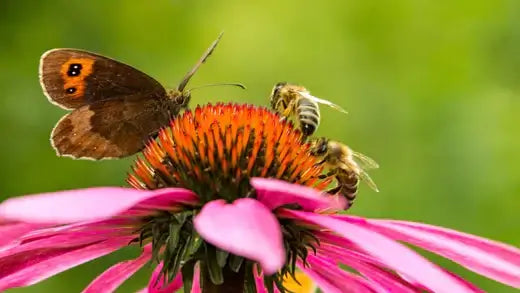
Purple Coneflower (Echinacea purpurea) has proven to be almost foolproof once established․ It will survive drought and shine for two months beginning in June․ If left uncut in fall‚ its seed heads feed goldfinches during winter․
Wood Poppy (Stylophorum diphyllum) fills another glaring hole in all pollinator lists; yellow flowers in April‚ in the woods or partial shade‚ and groundcover foliage lasting through summer․ Good for the north side of a house or under a high canopy of trees where sun-loving plants won't thrive․
The best choice here is Joe Pye Weed and New England Aster‚ which bloom from August to October‚ when monarchs are getting ready to migrate south․ This is the time period when most gardens are quiet‚ and arguably the most important one to fill․
Building Bloom Succession‚ Not Just a Flower Bed
The worst mistake you can make as a pollinator gardener is to plant everything to bloom at once․ A bed may be glorious for three weeks in May‚ but bees and butterflies need to eat from the day they first emerge in the spring until the first hard frost in the fall․
Map it out by season instead․ Wood Poppy and early Phlox for April․ Milkweed and Bee Balm for June and July‚ Coneflower for summer․ Cardinal Flower and Joe Pye Weed for August․ Asters and Goldenrod for October․ TN Nursery's native perennials are arranged according to these seasons‚ so that you can be assured of a succession of blooms if you are not starting from a blank slate․
Seasonal care by month
February March: Do not cut down last year's dead stems until after several nights above 50 °F (10 °C), as many native bees overwinter in hollow stalks․ A shallow layer of compost can be turned into beds once the soil is workable․
April to May: Divide overcrowded perennials‚ like Bee Balm and Coneflower‚ every three years․ Keep mulch 2 inches deep and away from stems to retain moisture in Tennessee's dry conditions in May․
June to August: Deadhead Coneflower and Bee Balm for increased flowering․ Leave last flush of Milkweed seed pods intact for self-seeding․ Water infrequently‚ but deeply every week․ Shallow‚ daily watering leads to weak roots which dry out more easily when high temperatures occur․
September-October: Leave stems and seed heads standing‚ so birds and insects can overwinter in plant material․ This is the best time to plant most new perennials because the soil is still warm‚ the air is cooling‚ roots can grow before winter‚ and plants are less shocked by transplanting․
Winter: Leave it messy․ While a tidier fall garden looks more appealing‚ a clean fall garden is often a garden with nowhere for pollinators to survive winter․
A Few Things Worth Skipping
Some double-flowered cultivars bred for ornamental display lack nectar and most pollen-producing organs‚ reflecting breeders' focus on ornamentation over function․
"

