
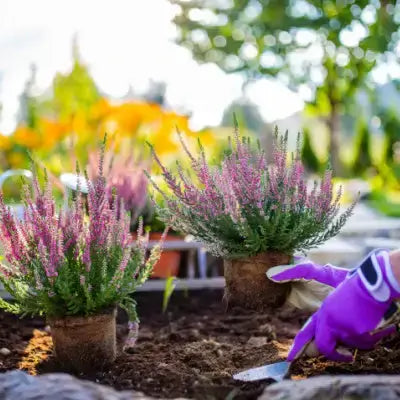
Spring is almost here and it is time to select the perennials perennials to include in this year’s landscaping. I have picked ten, and I absolutely love the vivid and bright colors that they add to any flower bed as they keep blooming.
Oxeye Daisy (Leucanthemum Vulgare)
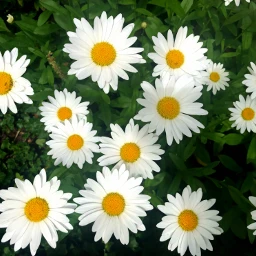
The European oxeye daisy oxeye daisy, or leucanthemum vulgare, is a native flower to the United States and it has been here for many years. They have white petals and a bright golden flower in the middle. During any time of the year, oxeye daisies can grow in sunlight, shade or a combination of both. They thrive in full sunlight but they may need extra water for maintenance. Oxeye daisies are tolerant of droughts, heats, poor soil, and may even survive a lack of water for a week during a severe drought and high temperatures. They are very charming flowers as they attract butterflies, but they also keep away deer and rabbits. Their floral scent is very pleasant while bold enough to overshadow other odors as to not become overpowering. They are wonderful to have as cut flowers. Assuming our experience is anything to go by, they provide a garden fragrance to the home by remaining in a vase for a long time. This summer, the native to the United States, butterfly weed or asclepias tuberosa, will bloom with fantastic orange flowers. The butterfly weed is the showstopper of the season.
| Zone | Height | Width | Light Needs | Bloom |
| 3-9 | 3-4 feet | 2-4 feet | Mix of sun/shade | June-August |
Butterfly Weed (Asclepias tuberosa)
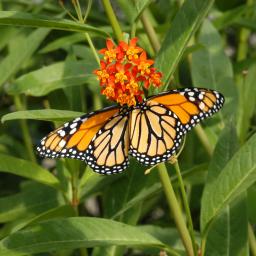
This summer, the native to the United States, butterfly weed or asclepias tuberosa, will bloom with fantastic orange flowers. The butterfly weed is the showstopper of the season. After blooming, it will provide your lawn year-round illumination. The butterfly weed bring in butterflies, hummingbirds, and other pollinators. It is not the flowers that will attract butterflies—they are milkweeds, which feed eastern monarch butterflies. In the meantime eastern monarchs are in peril so planting butterfly wood can provide them for food. It grows in almost the entire United States. It is self-seeded and will need occasional aphid attention. Butterfly weed blossoms in slim, lovely pods are more than attractive when dried and used in crafts or as decorations. Its flowers are deer and rabbit repellents, heat and draught tolerant.
| Zone | Height | Width | Light Needs | Bloom |
| 3-9 | 1-2.5 feet | 1-1.5 feet | Full Sun | June-September |
Shasta Daisies (Leucanthemum × superbum)
Shasta Daisies have white petals with blueish-purple tips and a yellow center. The flowers are white and have blue and purple tips and a center of bright yellow. The stems and leaves are bright green and glossy. These plants are very easy to grow and can thrive in well-drained soil. They are native to Europe, but due to hybridization, they became popular in many parts of the United States. They are very tough and can grow in loose clumps, or spreading slowly. They can be divided every other year. They are frost resistant. They can be fertilized once a year. When the flowers are in bloom, delight in the removal of diseased blossoms. They can be used in both mass and line arrangements. They attract pollinators. This amazing plant pairs beautifully with Foam Flower!
| Zone | Height | Width | Light Needs | Bloom |
| 5-9 | 1-3 feet | 2-3 feet | Full Sun | June-September |
Trumpet Vine (Campsis radicans)

Another vine, the showy trumpet tube, is a 3-4 inch long trumpet-shaped orange flower present in an airy light green woody vine. The stem’s dull contrasts to the leaves and flowers, turning them vaster and a duller green. Although native to the southeastern United States, the trumpet tube can be grown around the country.
Aerate the soil for optimum growth and fertilize biannually. It is winter hardy and drought resistant. It is visited by numerous pollinators like butterflies and hummingbirds, and is good for winter. It does well as a coverage for an arbor or a fence, but will require some pruning. Deer avoid the trumpet tube. February: trumpet vine, bearded irises, and evening primroses.
| Zone | Height | Width | Light Needs | Bloom |
| 4-9 | 20 feet | 40 feet | Full Sun | June-September |
Bearded Iris (Iris x germanica)
Another flower is the bearded iris, a tall green stalk with blue-violet or white flowers. Its green foliage is a good contrast to the flowers. A plant from the Mediterranean groove over most temperate United States, the bearded iris. The plant spreads and must be divided every 3-5 years, in late summer so that the flowers retain color; else, they will go white. They are can be grown as cut flowers and are Tennesse’s state flower gardened. Bearded irises want a well-drained soil; else, they will get soft rot because they do not like wet feet. Fertilize on low Nitrogen. After the blossoms end, cut and reject the flower stalk, so they do not waste energy on creating a pea. Our Bearded Irises are drought resistant.| Zone | Height | Width | Light Needs | Bloom |
| 3-9 | 1-3 feet | 2-3 feet | Likes morning sun/afternoon shade | Spring |
Evening primrose (Primula vulgaris)
Click Here to find the product
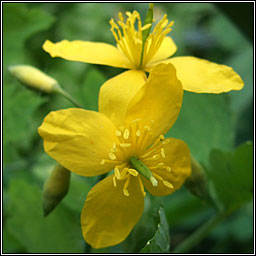
Evening primroses are pale yellow flowers with a darker yellow center. Their pale yellow flowers have a dark yellow center. They open in the evening and use a full bloom flower. These flowers like to bloom under a cover of secrecy throughout the day. Evening Primrose originated in Asia, northern Africa, and the Mediterranean region of Europe. They have 6-8 inch leaves that are arranged in a crown pattern. During the day, they have a crown of flowers and flourish at night. They attract nocturnal moths and bees during the daytime. They prefer well-drained and damp soil. They proliferate in dappled light or incomplete sunshine. Evening primrose-easily endures a drought if you enjoy it with a twice-yearly fertilization and sip in the middle of a draught.
| Zone | Height | Width | Light Needs | Bloom |
| 4-8 | 3-6 inches | 4-8 inches | Dappled light/partial shade | March -August |
Asters (Symphyotrichum)
A tropical variety bred in the United States. Natural ferns grown on the meadow. They come in white, purple, pink, blue as well as many other hues with a bountiful yellow center. They attract pollinating birds and bloom in the latter part of summer.
Asters Gardening with Plants and Cultivate most are grown from a young crop, not from nursery Sprout since they take many years to come. They thrive in the sandy loam grown in a pH of 5.8-6.5. They like to be cultivated flat with room above the ash as the roots grow over it. The twin is The Fleabane daisy.
| Zone | Height | Width | Light Needs | Bloom |
| 3-9 | 8 inches-8 feet | 2-4 feet | Full sun | Summer-Fall |
Wild Geranium (Geranium Maculaturm)
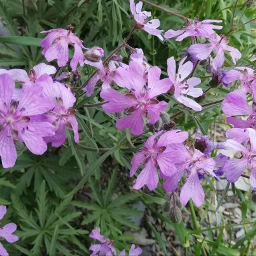
Wild Geraniums are native to the forests of the eastern United States. They are usually rose-pink to lavender but are sometimes deep purple or white. The petals have slightly darker lines down the length of the petal. The leaves are five-lobed and have irregular margins. They are dark green. Wild Geraniums are easy to care for and drought tolerant. They need sun and the occasional dose of fertilizer with minimal water during dry spells. They spread quickly into a mound of plants. In addition, wild Geraniums attract butterflies, hummingbirds, and bumblebees.
| Zone | Height | Width | Light Needs | Bloom |
| 3-8 | 12-28 inches | 12-18 inches | Full Sun/Light Shade | Late Spring-Early Summer |
Black-eyed Susan (Rudbeckia hirta)

Black-eyed Susan, native to the eastern United States but has spread throughout North America. The flowers have a large black center surrounded by rays of yellow flowers. The leaves are green with a serrated edge. This plant is a biennial, meaning it completes its life cycle in two years. However, it will come back season after season because it self-seeds. Black-eyed Susan attracts butterflies, bees, and other pollinators. Small mammals and birds eat the seeds in the fall. The plants are moderately tolerant to drought and salt and moderately deer resistant.
| Zone | Height | Width | Light Needs | Bloom |
| 3-10 | 3-4 feet | 1-2 feet | Full Sun | Mid-Summer to Mid-Fall |

Purple coneflower (Echinacea purpurea)
Purple coneflower is native to the central and eastern United States. It prefers well-drained, moist loam but will live in other soils. Once established, purple coneflowers are drought tolerant and are heat, deer, rabbit, and salt resistant. Flowers have a round brown dome head surrounded by pink, lavender, or purple petals. The leaves are rough to the touch and dark green. Purple coneflowers attract butterflies and other pollinators. Birds eat the seeds in the fall. The petals are dried and used to make tea to treat colds. When the leaves are crushed, they emit a fresh, daisy-like fragrance.
| Zone | Height | Width | Light Needs | Bloom |
| 3-8 | 3-4 feet | 1-2 feet | Full Sun/Partial Shade | Early Summer-Mid Fall |
Visit TN Nursery for Vibrant Perennials!
Ready to brighten up your garden with vibrant perennials? Visit TN Nursery to explore our extensive collection of stunning perennial plants. Whether you're looking for drought-tolerant options like Butterfly Weed or colorful bloomers like Shasta Daisies, we have the perfect plants to bring your garden to life this spring.
FAQs
What are the best perennials?
Some of the best perennials to plant for a vibrant spring garden include Oxeye Daisies, Butterfly Weed, and Shasta Daisies. These plants not only offer stunning flowers but are also low-maintenance and attract pollinators. Oxeye Daisies, with their cheerful white petals, thrive in both sun and shade, while Butterfly Weed, with its bright orange blooms, supports Monarch butterfly populations. Shasta Daisies add a fresh look with their white petals and purple tips, perfect for sunny spots.
What are the characteristics of a perennial plant?
Perennials are plants that live for more than two years, producing flowers and seeds each growing season. They return year after year, making them a long-term investment for your garden. For example, Bearded Irises bloom every spring with their stunning purple or blue flowers. Perennials like Butterfly Weed are low-maintenance, drought-tolerant, and require minimal care once established, making them perfect for busy gardeners.
What is the prettiest spring flower?
The "prettiest" spring flower can vary by preference, but many gardeners love the vibrant colors of the Purple Coneflower or the elegant Shasta Daisy. Shasta Daisies bring a fresh pop of white, while Purple Coneflowers add a mix of pink and purple hues, all while attracting pollinators like bees and butterflies. Pair these with other perennials like Asters or Black-eyed Susans for a well-rounded, colorful spring garden.
Are perennials full sun?
Most perennials prefer full sun to thrive, especially those like Butterfly Weed and Shasta Daisies, which do best with six or more hours of direct sunlight. However, some, such as Evening Primrose and Wild Geranium, do well in partial shade, especially in regions with hotter climates. Be sure to consider your garden's light conditions when choosing perennials for the best results.
Are perennials high maintenance?
Generally, perennials like the Oxeye Daisy and Shasta Daisy are easy to care for, requiring minimal upkeep once established. However, some may need occasional deadheading, such as Butterfly Weed, to promote new blooms. The most important aspect of perennial care is ensuring they have well-drained soil and appropriate sunlight. Regular watering during dry spells and fertilizing a couple of times a year can keep them healthy and blooming.
What is the longest blooming perennial?
The longest-blooming perennials, such as Butterfly Weed, can bloom from June to September, providing a long season of color in your garden. Purple Coneflowers and Asters also have extended blooming periods, often lasting into the fall. These perennials not only add beauty but also support pollinators well into the season, making them perfect for a garden that needs consistent color.


