
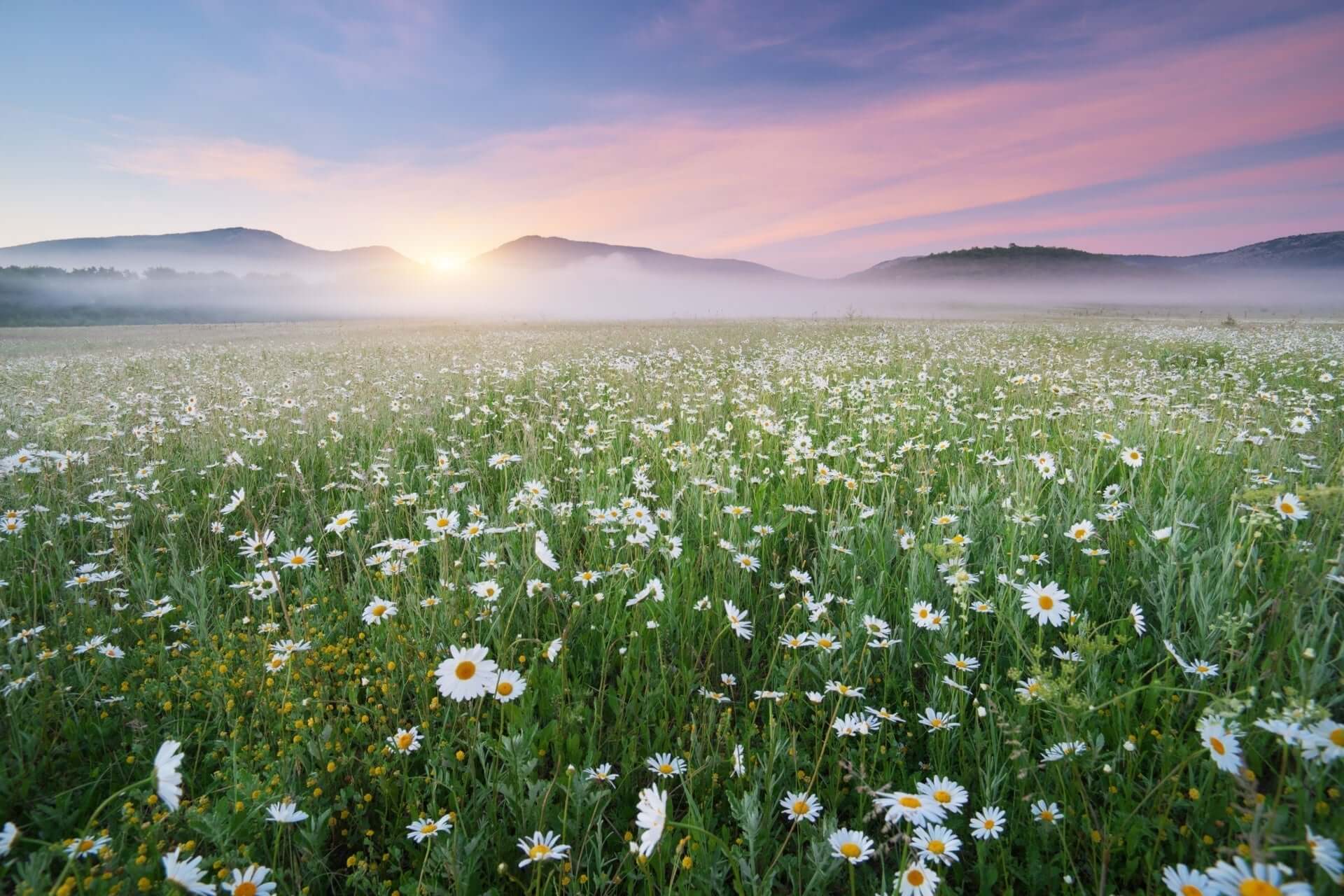
In the spring, landscaping is all about rebirth, color and getting your yard ready for months of healthy growth. When the weather gets warmer and the ground gets loose, farmers clean, plant and refresh their yards. A well thought out spring landscape encourages deeper root growth, bright blooms and yard structures that last.
You will learn what spring landscaping entails, how to get your yard ready, the best shrubs that flower in the spring, the best native plants for spring landscape design and useful tips to make your garden grow in this guide.
If you want to start planning your spring garden with confidence, this guide has everything you need. It includes spring gardening ideas and easy ways to make your outdoor space better.
What Does Spring Landscaping Include?
Flowering-Shrubs
There are many things you can do outside in the spring to get your yard ready for planting. It includes cleaning up, adding nutrients to the soil, pruning, planting and making sure plants can handle changes in the weather. Because plants grow quickly when the weather gets warmer, many gardeners start their spring landscape early.
Some common landscaping chores in the spring are:
- Removing winter debris
- Adding compost or other organic matter
- Checking for frost damage
- Shaping shrubs and cutting back old growth
- Planting spring flowering shrubs and early perennials
- Getting garden beds ready for new plants.
You can add early season color with bright plants like Cardinal Flower, which is a favorite of pollinators and a great choice for spring gardens that need a lot of water.
Pros and Cons of Spring Landscaping
There are many benefits to gardening in the spring, but you need to be careful about when you do it. Gardeners can come up with better spring gardening ideas and avoid making common mistakes if they know the pros and cons.
Pros:
- The soil is just the right amount of wet for planting
- It's the perfect time to prune and shape shrubs
- It's a great time to plant fruit trees like Plum Trees or Peach Trees
- Plants respond quickly to warmer temperatures
- Soil microbes become more diverse when it rains in the spring
Cons:
- Spring frosts can be unpredictable
- Heavy rain can compact the soil
- Early weeds may fight with young plants
- Some plants need to get used to their new environment slowly to avoid stress
While ensuring that plants grow strongly for the rest of the season, spring garden planning aids in overcoming these difficulties.
How to Prepare Your Yard for Spring
One of the most important parts of spring gardening is getting your yard ready. As soon as the snow melts and the weather stays warm, you can start to clean, feed and shape your outdoor area.
Key steps for getting ready:
-
Make the yard beds clean - Take off any dead or dying leaves, twigs or stems
-
Make the soil new - To improve the health of the roots and the variety of microbes, add compost or other organic materials
-
Make sure the drains work - To keep roots from going bad, make sure water moves away from them
-
Know how to prune - Get rid of any stems that are dead or broken before new growth shows up
-
Make a layout plan - Arrange flowering trees, shrubs and pollinator plants with spring gardening ideas
Spring gardening tips that can be put into practice:
- Test the soil to determine what nutrients it needs
- Use mulch to keep soil wet and cut down on weeds
- Water deeply once the weather is stable
For more seasonal information, gardening.org and other reliable sites offer basic spring care and planting advice.
Top Plants That Thrive in Spring Landscapes
Picking the right plants is important for a spring landscape that does well. Because they can adapt to changing weather trends and help pollinators early in the year, spring flowering shrubs, fruit trees and native plants are particularly helpful.
Great Plants for Spring Flowers
- Dogwood bushes
- Azalea types
-
Forsythia
- Cardinal Flower for bright red flowers
Native plants that are strong for spring landscaping
Native plants are reliable picks because they naturally adapt to the spring weather. They keep soil creatures alive, use less water and help pollinators get to the flowers early in the season.
Wild columbine, Cardinal Flower, Pawpaw and native plum varieties are all great natural choices.
Fruit trees, like Plum Trees or Peach Trees, are also great additions because they bloom regularly in the spring and bring in good bugs.
Essential Mistakes to Avoid in Spring Landscaping
Even seasoned gardeners make mistakes in the spring landscape, especially when they are eager to begin planting. If you avoid these issues, your soil will be healthier, your flowers will bloom better and your garden structure will last longer.
Common mistakes:
- Not caring for the soil or not adding compost
- Not properly pruning shrubs that bloom in the spring
- Using manmade fertilizers instead of natural ones
Checking weather trends, picking hardy shrubs that bloom in the spring and putting sustainable care practices into place are all part of spring garden planning.
Tips that you can use:
- Always check the frost dates before you plant
- Use compost to help the living things in the soil
- Let plants get used to being outside before putting them permanently
Conclusion
For a healthy, colorful yard all season, a spring landscape makeover is the best time to do it. You can have a beautiful landscape that grows on its own if you choose the right plants, take good care of the soil and plan your garden carefully in the spring. This spring, use these easy tips and gardening ideas to make your outdoor space look great and last a long time.
FAQs
What is the best way to start spring landscaping?
Clean up to prepare the soil and prune to start. Then pick shrubs and natural plants that do well in spring.
Which plants grow best in spring gardens?
Fruit trees like peach and plum as well as spring flowering shrubs and native perennials thrive.
What are easy spring garden ideas for beginners?
Put in compost, plant shrubs that bloom early, use local plants and add colorful plants to the garden borders to make them look new.
Why is seasonal landscaping important?
It gets your yard ready for healthy growth, keeps the soil alive and makes sure that flowers bloom strongly in the summer.
How do I maintain plants during the spring season?
Regularly water, lightly mulch, trim early and check the soil's moisture level often.


