
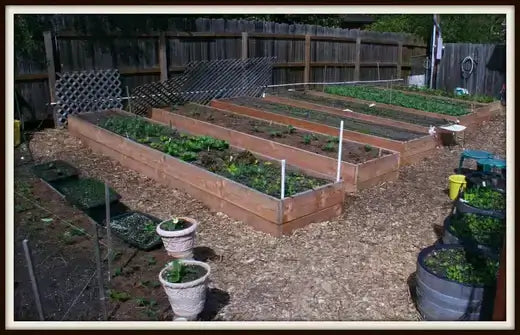
The garden is an extension of the home‚ a bridge from indoors to the outdoors‚ a fusion of nature and style‚ a meditative space to escape from the stress of urban life․ In our busy world‚ it is a place to connect with the earth and celebrate the movement of the seasons․ When creating a new garden space‚ there is a chance to express ourselves‚ our style and sensibilities and the potential to care not just for ourselves‚ but perhaps for the wider world․ Just beginning with some of these ideas‚ such as color theory‚ sustainable ideas‚ pollinator-friendly ideas‚ cozy spots and water features can help create beautiful new expressions in our garden․
Color
Color magic‚ as taught by the color theory‚ can be used in floral arrangements to great effect․ Flower color‚ leaf color and even the colors of garden structures can affect the mood and experience of a garden․ Red‚ orange‚ and yellow colors (example: reds‚ oranges‚ and yellows) inspire energy and creativity․ Therefore‚ the warm colored herb garden is good near areas where we grow the plants‚ herbs‚ and spices for culinary use such as basil‚ dill‚ or sage․ Cool colors such as blue and purple are appropriate for contemplation in shady areas․ The mindful combination of a limited palette of colors will lead the eye from one object of delight to another around the garden․
Using sustainable gardening practices can help improve the garden while having minimal effect on the environment․ An example of how to do this is to utilize native plants that are adapted to the local climate and do not require watering/fertilization․ Composting food scraps and garden refuse and creating rain gardens that capture and utilize rainfall runoff can improve the soil‚ divert organic material from landfills‚ and attract a variety of wildlife to the garden․ By going green in the garden‚ we can create a garden that works with nature rather than against it to be better for the planet we live on․
Polinators
Using a pollinator-friendly design is paramount since bees‚ butterflies‚ and birds (who're all key pollinators) require a constant nectar source‚ so one needs to select a diverse collection of flowering plants that bloom at every season of the year if one wants a healthy pollinator garden․ Pollinators should be attracted to the habitat․ Flowers that attract pollinators (such as lavender‚ coneflowers‚ and milkweed) may be included․ Bee hotels or shallow dishes of pebbles that provide a water supply can also be useful habitat additions․ When we think about providing for pollinators in our designs we improve our experience as well as contribute to the health of the environment․
Cozy outdoor garden seating is another way to turn a plot of land into one's own welcoming spot․ Comfortable chairs‚ hammocks and benches placed near fragrant flowers‚ water features or a view will add to the experience of the garden․ Comfortable cushions and outdoor rugs will increase comfort‚ and a fire pit or a pergola with climbing vines will create ambiance for star gazing or shelter from the sun and rain․ They are places to sit and enjoy the redesigned gardens‚ to talk to a friend‚ meet up with the family‚ or just to be alone with a good book․
Features
Water features can contribute to a garden environment that is more peaceful․ They create calming sounds and cool the air․ Many kinds of water feature are used in the garden‚ from a simple bird bath or an ornamental fountain to a large water garden with lilies‚ which can attract more wildlife and make the garden a more interesting and self-contained habitat․ The sound of running water from a small fountain can entice you to sit by and enjoy the view․ They have a further purpose‚ such as attracting helpful insects or watering plants‚ while also providing an aesthetically pleasing focal point to enjoy and generate a calming effect․
In conclusion‚ the garden makeover process is a journey of reestablishing our bond with nature and is an empty slate for our imaginations to run wild․ With attention to color theory‚ sustainability‚ pollinator homes‚ relaxation zones and water features‚ life can be breathed into gardens and these places can be a home to all living things․ From the smallest pebble to the greatest tree‚ everything we bring into the garden becomes part of the outdoor picture‚ helping to tend the earth and our health․ Each decision allows us to gain access to the magic of nature and create a garden that is a place of joy‚ peace and with roots in the natural world․


