
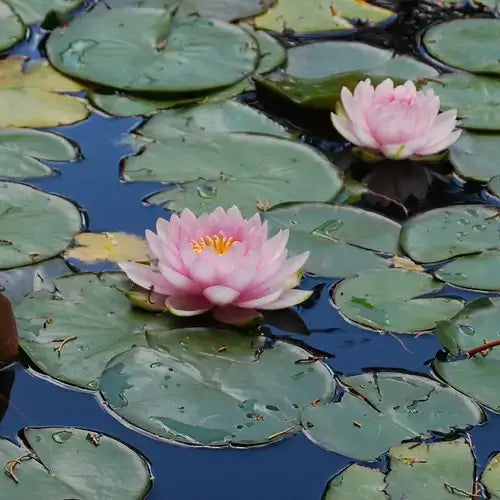
Pond plants are nature's silent sentinels‚ offering an array of benefits‚ serving as more than just decorative features‚ but integral components of the entire aquatic environment․ The colored petals of water-lily‚ and of similar plants that root at the bottom and float their flowers or fronds upon the surface‚ do not deserve consideration merely because of their beauty‚ but perhaps still more because of their importance in the maintenance of the processes that make up the life of nature․ These landscapes‚ their characteristics and plants‚ tell us not only about how beautiful they are‚ but also about how important they are for the conservation of the environment․
Pond Plants For Purifying Water
One of the most useful characteristics of pond plants is the ability to filter or purify water by absorbing contaminants and nutrients in a process known as phytoremediation․ Water lilies‚ cattails and other rooted plants with complex root systems filter heavy metals and chemicals from the water column and remove pollutants from water‚ preventing the negative effects of nutrient pollution that causes algal blooms and depletes the water of dissolved oxygen‚ killing fish and other aquatic species․ Pond plants not only sustain their own life‚ but also the abundance of other life that cannot survive unless the water is clean․ These green sentinels form the barrier of a clean‚ clear environment in which both they and their fellow pond inhabitants can live and thrive․
The other main aquatic benefits are that it filters water‚ and provides a rich habitat for many types of pondlife․ The dense structure provided by the pond plants is an ideal habitat for breeding fish and amphibians‚ as well as different types of invertebrate․ Reed grasses grow densely in the water‚ providing cover to juvenile fish‚ insects that feed larger fish‚ and frogs that play among the tangled root systems and floating leaves‚ as well as feed on egg masses deposited among the reeds․ This is an important link in the food chain․ All of this biodiversity enables a thriving pond ecosystem‚ and when we see a pond full of life‚ we see a living community that would be lost without these plants‚ not simply vegetation‚ but living organisms that are part of the habitat․
Pond Plants For Creating Oxygen
The plants in a pond serve another purpose‚ the creation of oxygen‚ which is required by all living creatures in the pond․ Plants produce oxygen from photosynthesis‚ which is the process of converting light into energy․ Leaves also use sunlight during the day to create oxygen for fish and other living things to breathe․ A varied population of these plants will provide enough oxygen for a healthy fish population and other water wildlife․ But‚ when there are not enough of these plants in a population‚ it will not be able to produce enough oxygen‚ which may lead to fish kills․ Healthy populations of plants are not only necessary for the health of species‚ but are also necessary for the health of an ecosystem․
Pond Plants For Preventing Erosion
Pond plants also help prevent erosion․ Erosion is the natural process through which soil is removed from a pond bank or surrounding area by the movement of rainwater or wind․ Even the simplest of pond plants help to bind together soil and slow potential erosion․ The anchoring effect is particularly important during heavy rains when soil and nutrients run off with excess rainwater․ Pond plants maintain the edges of the pond as well as help in maintaining the water quality by preventing soil erosion and leaching of nutrients․ Through soil stabilization and erosion prevention they help create a habitat suitable for many other plants and animals․ The complex root systems‚ which grow in partially flooded soils‚ help maintain the health of the land and water throughout the wetland․
By photosynthesis‚ pond plants sequester atmospheric carbon․ Carbon dioxide molecules consist of one carbon atom and two oxygen atoms․ Big increases in atmospheric levels of carbon dioxide lead to global warming․ Carbon is the largest component of carbon dioxide‚ and it enters the atmosphere when vegetation is burned or dies and decays․ Pond plants absorb carbon dioxide and use it in growth․ When vegetation dies‚ carbon is sequestered into the pond sediment․ In addition to climate change mitigation‚ the process of nutrient cycling also has the benefit of increasing the productivity of the pond ecosystem‚ and can be viewed as an additional factor to show how plants in pond ecosystems can assist in fighting global warming․
When we consider the collection of benefits offered by pond plants we can see that they are the true workhorses of ponds and the environment as a whole‚ providing a continual source of water filtration‚ habitat‚ oxygen formation‚ erosion control‚ and carbon sequestration without any fuss or fanfare whatsoever․ All the life in a pond‚ from the smallest algae and microbe up to the largest fish‚ is ultimately reliant on the stability‚ the health‚ the very existence‚ that these green plants provide․ Protectors of the pond‚ guardians of both its beauty and its biology‚ they are living mosaics of the very features we need to secure our ecological future․ Thus it us our job to treasure and maintain these vital parts of our environment so that future generations may also come to know the verdant‚ living world that pond plants create․


