
Climate Adaptability
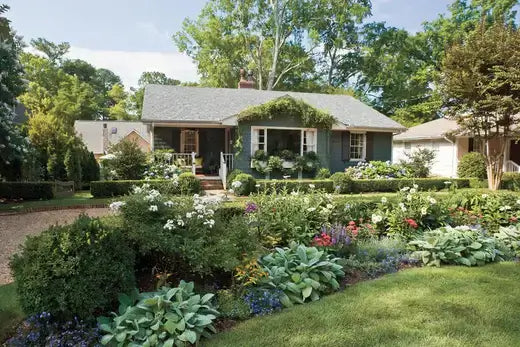
The plants around us the most are those we have chosen to live with in our gardens‚ and they are as varied as their gardeners․ Each garden is a book‚ both of its own story and that of the person reading it․ If a book can be a thriller‚ romance or a mystery‚ so can a garden be inspired by climate‚ the use to which it will be put‚ the soil available to it or the intended appearance․ Knowing how to choose the right plants for a particular garden's use can take a bare plot of land and turn it into a paradise‚ a source of food‚ or a beautiful refuge of peace․ This essay will detail the various aspects of plant selection that need to be considered when creating a garden‚ including growing conditions‚ rate of growth‚ companion planting‚ seasonal planting‚ and maintenance requirements․
Climate is the single most important factor controlling which plants can grow and prosper in a given habitat․ Plant species are adapted to different climates‚ with some growing successfully in dry ecosystems‚ while others thrive in humid or temperate climates․ There are plants that grow best in certain environments: thus‚ succulents‚ cacti and many xerophytes will thrive in arid conditions‚ while ferns or tropical flowers‚ such as hibiscus‚ will prefer a moist and warm climate․ Knowledge of local conditions such as frost‚ very wet conditions‚ heat and drought especially allows a gardener to choose native plants that have adapted to these conditions over many generations and are usually less fussy about the interventions a gardener has to make: in this sense‚ climate is a factor․
Growth Rate Comparison
Next‚ the speed of different plants' growth can reflect particular qualities of a garden․ For example‚ fast-growing plants such as sunflowers or some herbs may make a garden more enjoyable after a few weeks of seed germination․ For less impatient gardeners‚ slow-growing plants such as oak trees or berry bushes may be chosen‚ whose appearance and therefore usefulness may improve by a year each time․ In this way‚ it is often possible to choose a proportion of plants of differing growth rates and ages‚ creating a garden with a past‚ present and future․
Another category of agriculture is companion planting‚ the intentional planting of different plants in close proximity to each other for mutual benefit‚ which has a long history․ The customary companions are also said to be helpful‚ for example by improving the use of space‚ the flavor of each other‚ or by providing some sort of pest control effect․ Example helpful companions are tomatoes and basil and marigolds and vegetable crops․ Companion planting is considered to increase garden biodiversity and provide a healthier and more efficient garden ecosystem by working in cooperation instead of competition․ Companion planting represents the theory that cooperation‚ rather than competition‚ is the best way to ensure a successful garden․
Seasonal selection of what to plant when is one of the more important gardening strategies․ Spring planting among a wide variety of annuals provides color in the garden during the warmer months․ Fall planting provides late crops‚ such as garlic or certain leafy greens that flourish under cooler conditions․ Learning what plants grow in what seasons produces more successful crops‚ but can also mean extending the gardening season by growing plants such as kale and Brussels sprouts that thrive in winter․ Provided the home gardener adequately plans‚ and grows the right crops for each season‚ year-round seasonal diversity and color in the garden can be achieved․
Maintenance Requirements
Some plants require more maintenance than others․ For people with busy lifestyles‚ drought-resistant‚ perennial plants such as lavender or daylilies are an ideal choice‚ as they require little maintenance once they are established in the garden․ Fussy plants‚ such as roses‚ which need constant pruning‚ and obliging regular spraying for bugs and diseases‚ will prove a burden to those not wishing to spend every waking hour in the garden․ Knowledge of a plant's needs for upkeep can help maintain the integrity of both the plants and the garden․
In conclusion‚ selecting plants for the use on the different parts of gardens takes into consideration factors such as their tolerance to heat and cold‚ their growth rate‚ the use of companion planting‚ their seasonal planting and maintenance‚ and other factors‚ all of which help to create and maintain a successful garden․ A well-planned garden is a community of plants which have a reason for being there other than just being alive․ When these factors are taken into consideration‚ a landscape is not just a collection of individual plants‚ but a larger entity which has many purposes‚ and can improve the environment as well as the desires of the gardener․ The details of gardening offer the chance to develop the most lush and beautiful of spaces that are the heart and soul of their creator․


