
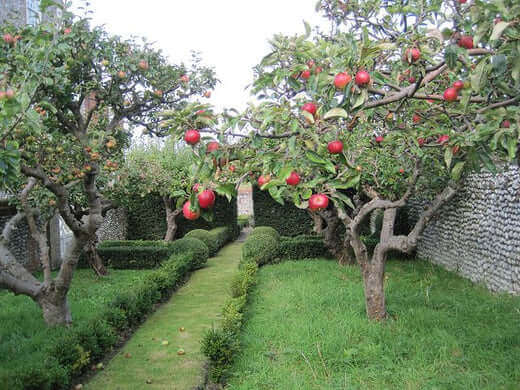
Gardens‚ often thought of as peaceful havens from a world of activity‚ are a reflection of the cultures and the times of the places in which they are created․ A Japanese Zen garden‚ for example‚ has a very different style‚ texture and atmosphere from that of an Italian Renaissance garden․ The gardens in question provide us not only with natural beauty and relaxation‚ but they are also carriers of the culture‚ of the intellectual and customary values of the society that created and maintains them․ The gardens of the world require us to investigate the following complementary aspects: the characteristics of the layout‚ the variety of species‚ the customary cultivation techniques handed down by earlier generations․
History
Gardens have had a long and varied cultural history‚ often used throughout time as a metaphor for prosperity‚ spirituality‚ communality‚ and the harmonious relationship between humanity and nature․ In Persian cultures gardens were laid out to create an oasis of paradise-like tranquility‚ and gardens typically include geometrically arranged flower beds‚ running water‚ and shady trees․ In Aboriginal cultures a garden is often designed so that the people inhabiting that area can maintain a relationship with the spirits of their ancestors․ Both stories also depict the resilience and adaptation of communities and the importance of impressive a balance between coexistence and potential disaster between nature and humanity․
The gardens in other parts of the country show different plants: the gardens of the American Southwest have cacti or other native grasses that are suited to the arid climate of the region‚ whereas those in tropical Southeast Asia have many different orchids and palm trees that thrive in the region's extremely humid and warm climate․ The plants in a garden that are native to a certain area help to maintain the ecological traits of the natural world‚ for example by helping to attract a certain group of pollinators․ The plants in a garden are representative of the different ecosystems of this world‚ and the need to conserve this unique biodiversity․
Great diversity of gardening methods exist․ Through customary gardening methods such as permaculture and companion planting‚ gardeners have used these species in ways that enable plants to assist each other share life cycles through mutualism‚ symbiosis and other interactions․ To compensate for this land shortage‚ a variety of different forms of agriculture have been developed․ These agricultural inventions include both relatively modern techniques such as hydroponics and vertical gardening systems and ancient solutions‚ such as the raised bed gardens of the Incas and urban vertical farms․ Periodically merging‚ old and new reflect resiliency and adaptation as they intersect and collide with climate change and urbanization․
Eco Gardening
In the last few years‚ eco-gardening has gained interest due to the increasing awareness of the environmental impact of gardening․ Gardeners have been encouraged to use organic gardening methods like composting and crop rotation wherever possible to reduce the impact of gardening․ Through these practices‚ neighborhoods and communities not only have gardens for beauty or food‚ but also improve the soil‚ conserve water use‚ and create a diverse‚ healthy ecosystem․ As they create gardens‚ communities can be a positive example for others‚ showing how gardens can be beautiful and used in a way that also is good for the planet․
Preservation
Concern exists in the field of horticulture for the preservation of customary gardens․ Many of these spaces possess cultural and historical importance‚ but are quickly being threatened by urbanization‚ climate change‚ and neglect․ Conservation‚ and restoration if needed‚ is important‚ not only from the point of view of their intrinsic interest and heritage value‚ but also as part of the education of future generations․ Efforts to make the value of customary plant cultivars and horticultural methods appreciated can recreate this sense of value․ By imparting an appreciation of them‚ communities can empower future generations of gardeners to continue the tradition‚ and develop their own ideas of what a garden can be․
In conclusion‚ every garden is the outcome of a specific plan‚ planting‚ gardening techniques‚ and sustainable practices․ Each garden is an opportunity to engage with‚ and learn from‚ the cultural knowledge and practice․ In visiting any garden we cultivate a sense of shared responsibility for the preservation of cultural heritage and our appreciation for the beauty of the natural world․ Gardens‚ like people‚ can form communities where we can build self-identity and relationship to the earth․ To love gardens is to love the multiplicity that is in us all and unites us: a profusion of bloom‚ life and diversity․


