
Growing the Natchez Crepe Myrtle: A Complete Guide to Caring for this Tree
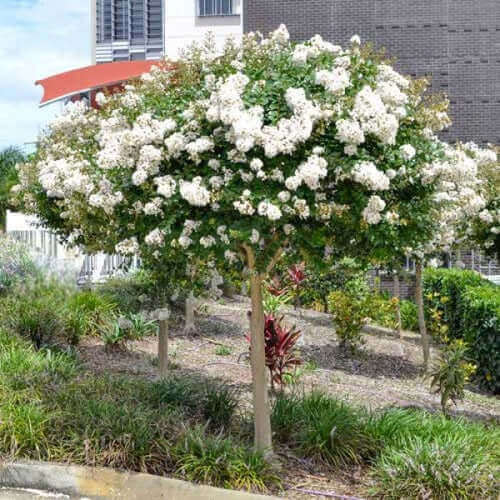
The Natchez Crepe Myrtle is a gorgeous tree that adds beauty to any landscape with its white flowers and unique beauty. If you're considering adding this tree to your garden, this guide will provide you with all the tips for growing and caring for the Natchez Crepe Myrtle. This tree has vibrant blooms, stunning fall foliage, is resistant to pests, and is a popular option for many gardeners.
About Natchez Crepe Myrtle
Researchers study the tree because its natural compounds exhibit antioxidant properties. Despite limited modern pharmaceutical recognition its botanical complexity remains under investigation for possible health advantages. Traditional herbal medicine practices involve using decoctions from leaves and flowers to treat wounds and make teas that support general health. The historical importance of these applications extends beyond mere visual appeal because they remain primarily anecdotal.
The tree's journey from ancient cultivation practices to its current status as a garden centerpiece demonstrates how its enduring legacy will keep future generations in awe of its stunning beauty and ecological benefits.
What is Unique about the Natchez Crepe Myrtle?
The Natchez Crepe Myrtle is known for its unique white blooms which last from June to September and provide a gorgeous sight for the summertime. The dark green foliage is a beautiful addition to the white flowers. Once fall arrives, the leaves turn reddish orange and later fall off to reveal the flowers, which is a great feature. The tree also has visually appealing bark that peels off like birch trees.
Not only is the Natchez Crepe Myrtle beautiful, but it is also a low-maintenance tree for gardeners. This is due to the fact that it is resistant to both powdery mildew and aphids. This tree does have a natural fault; it is breakable and will need some pruning to keep it from getting weak and overgrown.
Unlike many different trees and plants, the Natchez Crepe Myrtle has the ability to adapt to a range of different types of soil including clay and even alkaline soils. This means that it is a versatile tree and can fit most garden settings. The Natchez Crepe Myrtle can also fit into both urban settings and large open yards. Because of this, it is a really good fit for city landscapes.
Planting Natchez Crepe Myrtle
Lagerstroemia indica x fauriei serves mainly as an ornamental plant yet possesses a background in traditional medicinal uses. People in Asian traditional medicine have historically used bark and leaf extracts from plants because of their beneficial properties. Different cultures have applied it for digestive treatments as herbal remedies and have also investigated its anti-inflammatory properties.
The origin story of Natchez Crepe Myrtle or Lagerstroemia indica x fauriei combines a history of deep appreciation with dedicated cultivation practices. This exceptional hybrid originated centuries ago from parent species native to Asia and the southeastern United States. The development of this plant resulted from careful breeding practices aimed at creating a specimen that grows quickly while displaying both resilience and exceptional beauty.
Planting this tree in urban areas with restricted green space creates healthier ecosystems because it supplies both food and shelter for beneficial insects and birds. The tree's support for wildlife creates additional worth to its existing remarkable qualities which confirms its status as both a botanical gem and an environmental supporter.
In the early colonial period, explorers and botanists searched for ornamental plants that adapted to different climates and delivered unmatched visual appeal. Its genetic pool expanded when it received Asian ancestry in North America to create a superior variant with exceptional qualities. After its discovery and first cultivation this plant gained widespread appreciation for its stunning aesthetic and prolonged lifespan throughout temperate region gardens and landscapes.
Early plant explorers embarked on the journey of Natchez Crepe Myrtle by attempting to enhance existing plant varieties. The parent species from Asian regions achieved initial documentation centuries in the past because of their impressive flowers and strong growth. By the late 20th century researchers achieved a major breakthrough that enabled the hybridization of two species to produce a new cultivar which gained recognition for its superior disease resistance and stunning floral displays.
How to Care for Crepe Myrtle
Taking good care of Natchez & Muskogee Crepe Myrtle is very important to the tree’s health and even beauty throughout the different seasons. The tips below should help get and keep healthy care of the beautiful tree.
Natchez Crepe Myrtle Care and Watering
Natchez Crepe Myrtle serves an essential ecological function as it draws a wide variety of rare wildlife species to its environment. It's nectar-heavy flowers attract pollinators such as butterflies, honeybees and native bees which help maintain the health of nearby vegetation.
Plant Location
The Sun: This tree loves to be in the full sun. Make sure that the tree gets no less than 6 hours of full sun every day.
Good drainage
Make sure that the plant location offers great drainage. The soil can be rich, and well drained, and can be a little moist, but if it is not well drained, the soil will cause the tree to become waterlogged.
Watering
Make sure to give your tree consistent moisture during its first few years. After that, it will be able to tolerate droughts.
Keep the soil moist, but don't let it become waterlogged. Deep watering also helps the roots develop strength and health.
Pruning
In late winter/early spring, before any new growth has begun, be sure to prune your tree. Having this done helps to maintain the tree's natural shape, and it'll be easier to keep the growth healthy.
Pruning will be minimal since the tree has a natural resistance to breakage. Just remove any of the remaining dead branches and keep the structure of the tree.
Fertilizing
In spring, you should apply a balanced fertilizer to aid in and support the healthy growth of your tree. Just be careful that you don't use too much, since this can make the tree develop way too much foliage, and lead to a deficit in flowering.
Every once in a while, you can even skip a year to fertilize if the soil rich and healthy, since this will lead to even more soil health.
Pest Control
A big benefit of the natchez, muskogee, and purple crepe myrtle is that it is naturally resistant to many pests, including aphids. However, make sure to check your tree periodically during the growing season just in case.
How Fast Does a Natchez Crepe Myrtle Grow?
Considering everything, the Natchez Crepe Myrtle is known for its extremely fast growth rate of anywhere from 3 to 5 feet of growth every year and achieving a maximum height of around 25 feet and 15 feet of spread. This is extremely advantageous for garden and landscape designing as the tree is able to add beauty to any space in a very short time.
What are some of the disadvantages of growing a Crepe Myrtle tree in your yard?
Some of the potential challenges of growing a Natchez Crepe Myrtle tree in your yard includes: size is the first consideration as the maximum height of the tree can reach 25 feet and spread 15 feet.
This size is not ideal for small garden spaces. flower drop is the second disadvantage as the flowers will drop after bloom and will require cleaning up around the yard. Pest attraction is the last potential disadvantage to growing the tree. While Crepe Myrtle is very pest resistant, they can still attract Japanese beetles every so often.
Can you keep a Natchez Crepe Myrtle tree small?
Definitely. With proper pruning and tree management, you can keep Natchez Crepe Myrtle small. Though the tree gets large, with regular trimming and removal of excess branches, you can keep the tree small. To maintain it at a manageable height, the tree must be pruned before the new growth period that begins in the spring. Of course, this type of tree's natural growth habit will still need a lot of regular trimming and maintenance.
What is special about the Natchez Crepe Myrtle?
The Natchez Crepe Myrtle is well known for its white blooms every spring, its beautiful foliage in the fall and its stunning pale bark, all of which make it special. Aside from the cosmetic features, it is a tree that will bring you the convenience of disease resistance, pest resistance, and it requires very little maintenance. Its versatility and ability to adapt to various soil types and environments make it a great choice for all gardeners, experienced or not.
Having Plants Outside
For Crepe Myrtle, and the Natchez variety, the best time to plant is during the spring and fall when the trees are still dormant. By planting during the spring, the tree will be able to develop roots in time for the hot summer. It is best to not plant during the peak of summer, however, because the tree needs to be in the ground to be able to withstand the heat of the sun.
Natchez Crepe Myrtle in the Landscape
Lagerstroemia indica x fauriei transforms any landscape where it is present. It serves as a year-round visual anchor in gardens, parks and urban areas because of its multi-seasonal appeal. Its large clusters of delicate blooms transform into vibrant explosions of color during spring and summer which create a breathtaking display that attracts both pollinators and human admirers.
Want to Start Your Own Natchez Crepe Myrtle?
If you want to provide your garden or yard with the beautiful Natchez Crepe Myrtle, TN Nursery has all the supplies you will need to get you started. Stop by the website of TN Nursery and look at the variety of trees, plants, and shrubs available to improve your landscape.
FAQs
How fast does a Natchez Crepe Myrtle grow?
Crepe myrtle trees, particularly the Natchez variety, grow about 3 to 5 feet vertically every year, and can eventually reach 20-25 feet. While the Natchez variety is still young and is only 20-25 feet, this really adds to the landscape while helping trees and flowers mature.
How to care for Natchez Crepe Myrtle?
For Natchez Crepe Myrtle to grow, plant in the sun, water regularly, and in the winter, trim the tree. With Natchez variety, this can be done easily and added to the landscape. The tree is unaffected by pests, including aphids and powdery mildew.
What is the hidden downside of growing a crepe myrtle tree in your yard?
The Natchez Crepe Myrtle is a relatively low effort plant. However, they can grow to be quite large. If your yard is smaller, you might want to reconsider planting one. Additionally, after it's beautiful blooms die, the flowers need to be cleaned up. Finally, while the Natchez myrtle is resistant to many bugs, it might get at Japanese Beetles. They can be damaging to the blooms and also the tree's foliage.
Can you keep a Natchez Crepe Myrtle small?
Through yearly and consistent pruning, a Natchez Crepe Myrtle can absolutely be kept small. This can be done by simply trimming back any extra growth and maintaining the tree, which would prevent it from growing too large and keep the shape from becoming too out of control.
What is special about the Natchez Crepe Myrtle?
The Natchez Crepe Myrtle generates a lot of praise and interest from the white flowers, lovely fall foliage, and interesting bark which peels in layers. Also the fact that the plant has a resistance to powdery mildew and pests while having a fast growth rate also contributes to the popularity of this myrtle.
What is the best month to plant crepe myrtles?
The right time to plant any type of Crepe Myrtle trees, including the Natchez variety, is the middle of spring or the middle of fall when the tree is in its dormant stage. Planting the tree during the dormant stage will provide the tree the time it needs to set its roots before it experiences the heat of summer or the cold of winter.


